The Moulton: Britain’s small‑wheel engineering outlier
Since 1962, Moulton has defied bike categories with small wheels, suspension and spaceframes. A British original that still appeals to riders who value comfort, engineering and longevity over fashion.

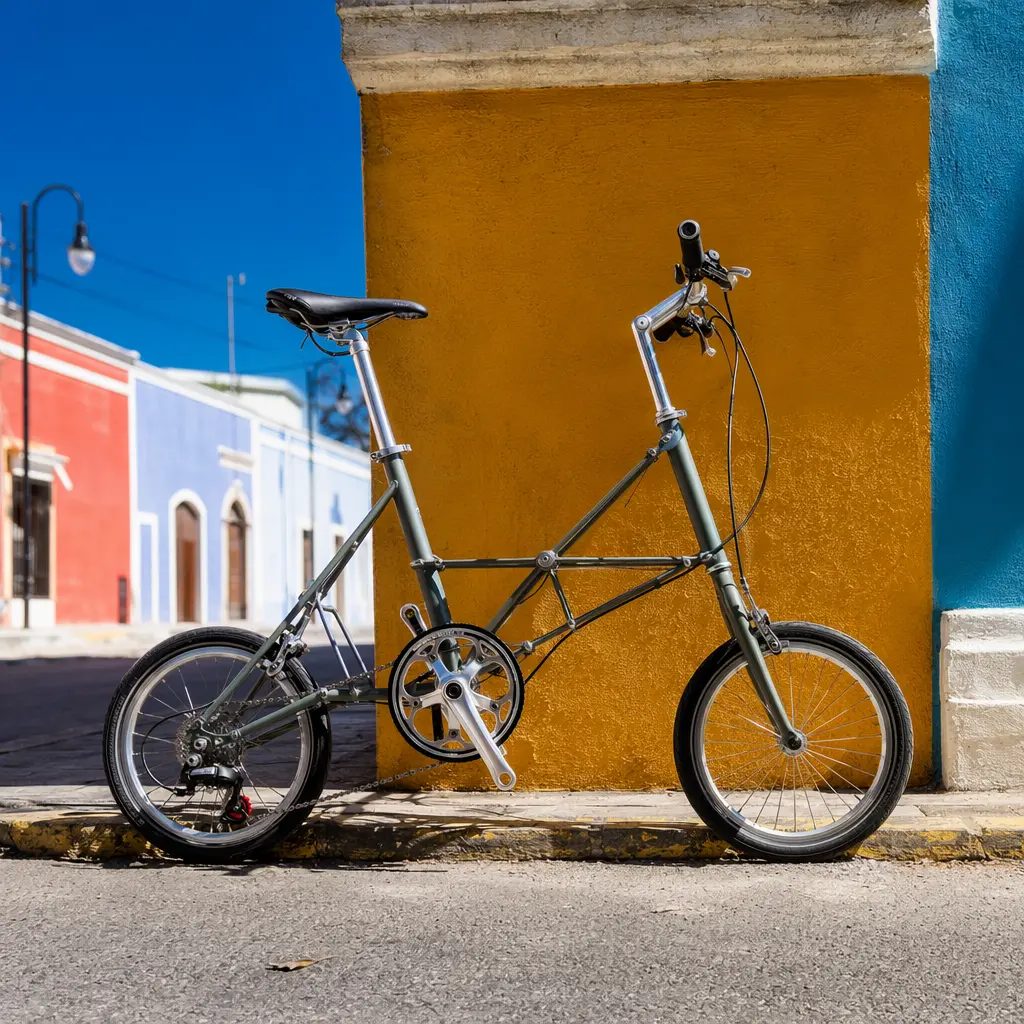
Moulton is one of those British bike names that never quite fitted the boxes the rest of the industry prefers. Not a folding bike, not a conventional road bike, not a hybrid in the modern sense — yet somehow overlapping all three. Since the early 1960s, Moulton has built small‑wheel bicycles around a simple idea: comfort, efficiency and control come from engineering, not wheel size. The result is a family of bikes that look unusual, ride unexpectedly well, and have earned a loyal following that spans commuters, tourers and design obsessives.
Where it came from
Moulton began in 1962, founded by Dr Alex Moulton, an engineer better known at the time for his work on rubber suspension for cars. His thinking carried straight across to bicycles: if suspension could improve speed and comfort in a car, why not on a bike? The original Moulton used small wheels, a stiff frame and front and rear suspension — a radical departure from the big‑wheel, steel‑frame norm of the era.
Production moved through several phases, including mass‑market success in the 1960s, a split with Raleigh, and later a return to low‑volume, high‑quality manufacture in Bradford‑on‑Avon. In the UK today, Moultons are niche but very much alive: built in small numbers, sold through specialist dealers, and supported by a dedicated owners’ community that treats them as long‑term machines rather than disposable purchases.
Why it works
On paper, small wheels look like a compromise. On a Moulton, they’re part of a system. The stiff spaceframe keeps energy from being lost to flex, while the suspension isolates the rider from rough tarmac, potholes and broken cycle paths. That means the wheels can be small and strong, accelerating quickly without the harshness you’d expect from such a compact setup.
The ride feel is the thing owners talk about: planted, smooth and surprisingly fast over real roads. These bikes are designed around efficiency on imperfect surfaces, not laboratory‑smooth asphalt.
- Small wheels (typically 16–20in) for strength and quick acceleration
- Front and rear suspension to smooth poor road surfaces
- Stiff spaceframe construction rather than a conventional diamond frame
- Neutral, upright‑leaning riding position with long‑distance comfort in mind
- Clearance for mudguards and luggage on many models
Who it’s for
Moultons tend to appeal to riders who value comfort, engineering and longevity over trends. They suit long‑distance road riding on mixed surfaces, all‑day audax‑style rides, and commuting where broken tarmac is the norm. They’re less about aggressive speed or off‑road capability, more about covering miles without being beaten up by the road. Budget‑wise, modern Moultons sit well above mainstream hybrids when bought new (often well into four figures), but older models can sometimes be found second‑hand for more approachable sums.
Variants and what to look for today
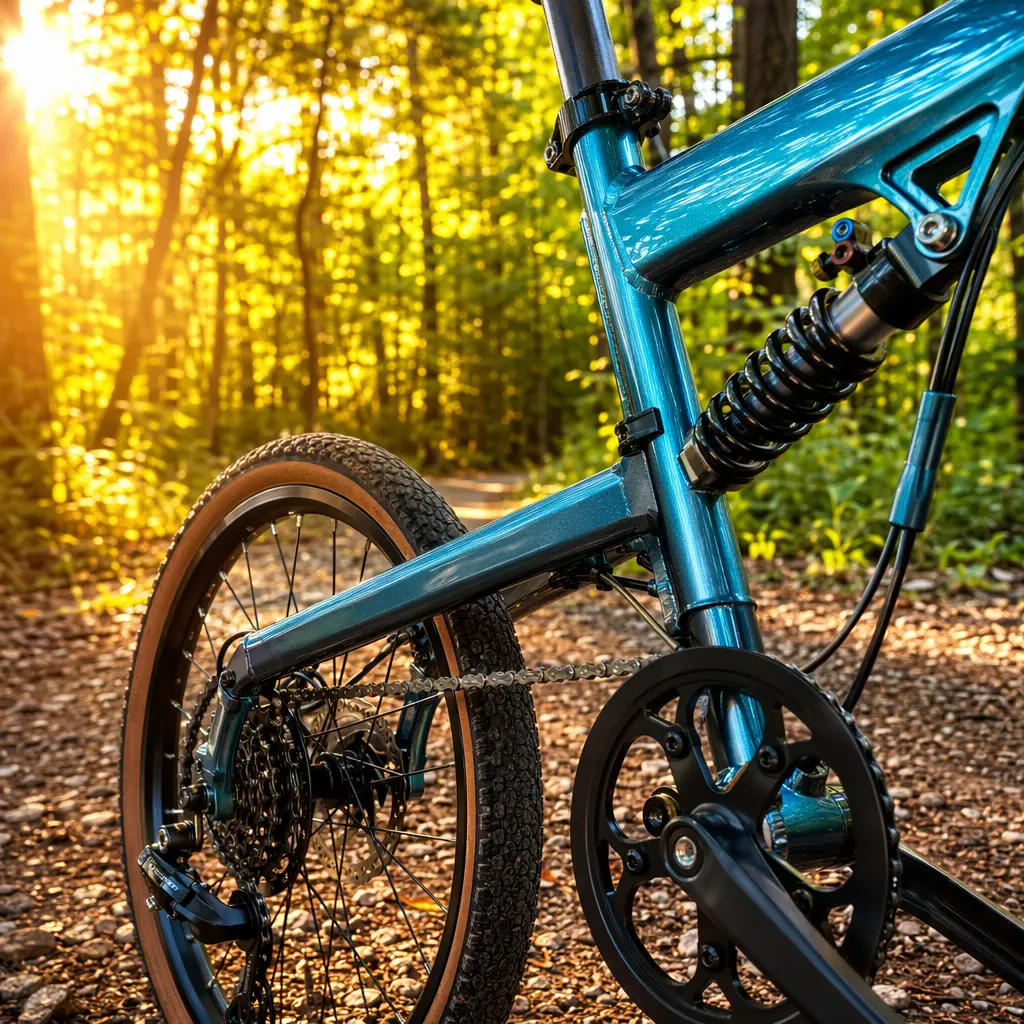
Over the decades, Moulton has produced several families, from earlier separable frames to later spaceframe designs. Broadly, there are simpler, older steel models; mid‑range bikes aimed at touring and fast road use; and high‑end builds with premium components and very refined suspension.
If you’re looking at a used Moulton, condition matters more than age. Suspension units should move smoothly without play, and any frame joints or separable couplings need careful inspection. Parts availability is generally good through specialists, but these aren’t bikes your average high‑street shop sees every day — something to bear in mind for servicing.
Frequently asked questions
Are Moultons folding bikes?
Not in the modern sense. Some models separate into two parts for transport, but they’re designed for riding performance first, not quick daily folding for trains.
Do small wheels make them slow?
On smooth roads, outright speed isn’t the focus. On real UK surfaces, the suspension and stiffness often mean steady, efficient progress that surprises riders used to rigid bikes.
Are they hard to maintain?
Routine maintenance is straightforward, but suspension servicing and specialist parts are best handled by a dealer familiar with the brand.
Can you tour on one?
Yes. Many Moultons are set up for panniers and mudguards, and their comfort over long distances is a big reason they’re popular with touring and audax riders.
Moulton has endured by refusing to chase fashions. It remains a distinctly British answer to a simple question: how do you make a bike that’s fast enough, comfortable all day, and built to last? For riders willing to look past wheel size and convention, it still offers something genuinely different.
Find these on Amazon
As an Amazon Associate, CheapBikes earns from qualifying purchases.