Haibike Trekking: the German e-bike built for real-world miles
Haibike’s Trekking range helped normalise practical long-distance e-biking in the UK, blending Bosch-powered assistance with commuter-ready kit for hills, luggage and daily mileage.
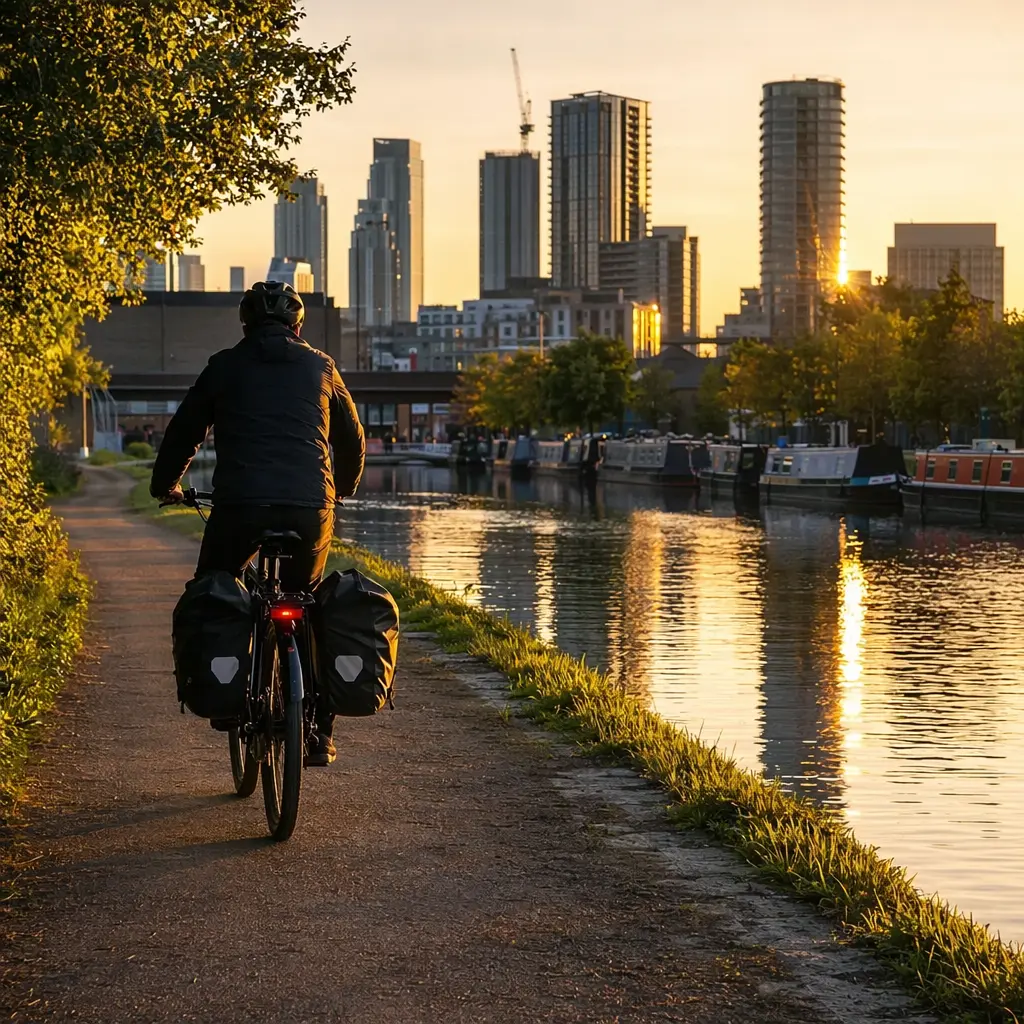
Haibike’s Trekking range arrived in the UK at a point when e-bikes were shifting from niche gadgets into serious transport. Rather than chasing stripped-back sportiness or bargain-basement pricing, the German brand leaned into practicality: upright comfort, integrated luggage carrying, dependable Bosch drive systems and enough battery range to turn a long or hilly commute into something manageable. For many riders facing steep suburbs, rougher roads or 15-mile journeys each way, that mattered more than outright speed or low weight.
Where it came from
Haibike built its reputation in Germany, where utility cycling and long-distance touring have long been treated as everyday transport rather than specialist hobbies. The Trekking family grew out of that mindset. Instead of producing lightweight road-inspired hybrids, Haibike focused on electrically assisted bikes that could carry luggage, handle poor weather and stay comfortable for hours at a time.
In the UK market, the Trekking range found a home among riders who wanted more than a short-hop town bike but less aggression than an electric mountain bike. Dealers often positioned them as premium commuting and leisure machines, typically sitting above entry-level supermarket and catalogue e-bikes in both specification and price. Bosch motors became a major part of the appeal. At a time when many cheaper systems felt jerky or underpowered on climbs, Bosch units earned a reputation for smooth assistance, straightforward servicing and wide dealer support across Britain.
Why it works
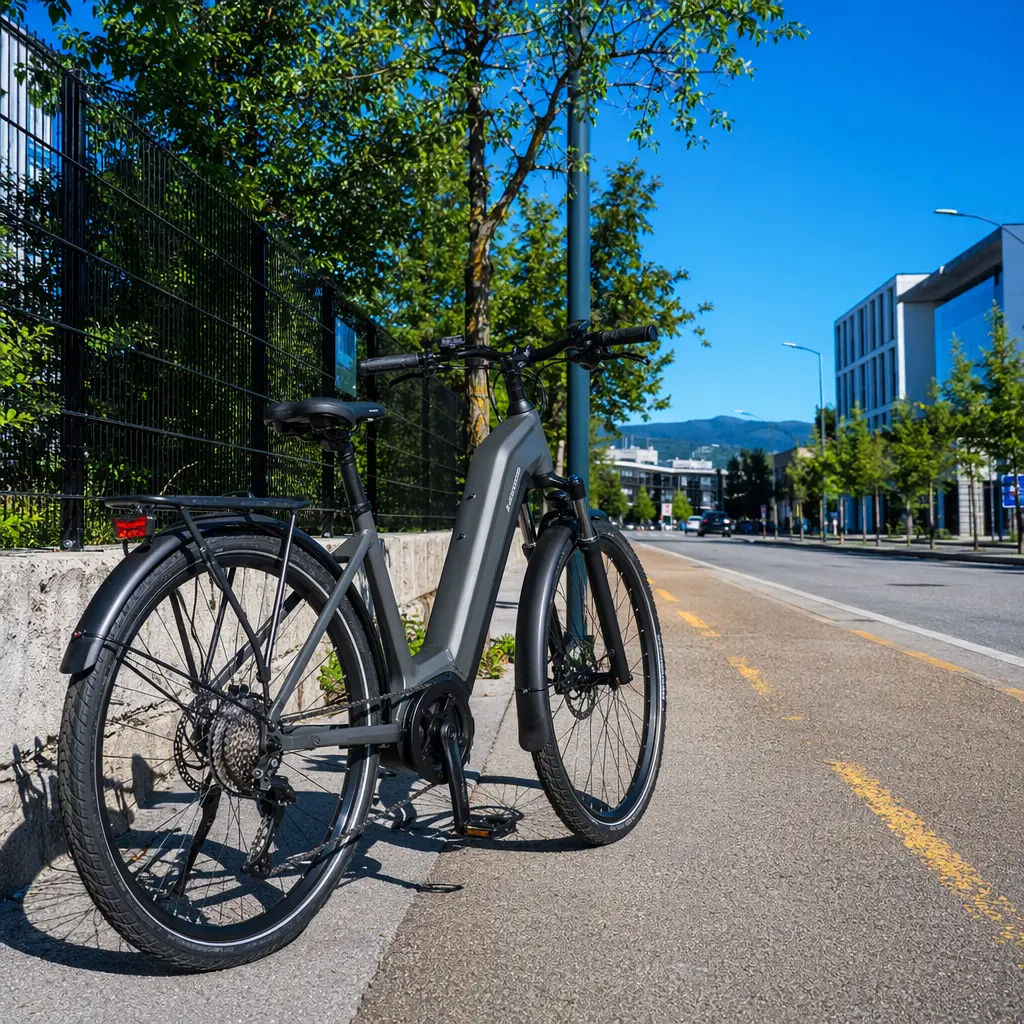
The core idea behind the Trekking family is simple: build an e-bike that feels stable, predictable and genuinely useful every day. Most models use aluminium frames with a fairly upright riding position, front suspension to soften broken roads and towpaths, and full commuter equipment straight from the shop floor. Mudguards, lights, kickstands and rear carriers are usually treated as essentials rather than expensive extras.
Geometry is a big part of the appeal. Compared with sportier hybrids, Haibike Trekking bikes tend to place the rider in a more relaxed posture, reducing strain on wrists and shoulders during longer rides. Wheel and tyre choices usually favour durability and comfort over outright speed, which suits UK cycle paths, kerb edges and patchy tarmac. Many versions also use step-through or low-step frame options, broadening their appeal beyond traditional sporty cyclists.
- Bosch mid-drive motors with natural-feeling hill assistance
- Integrated lights and mudguards for year-round commuting
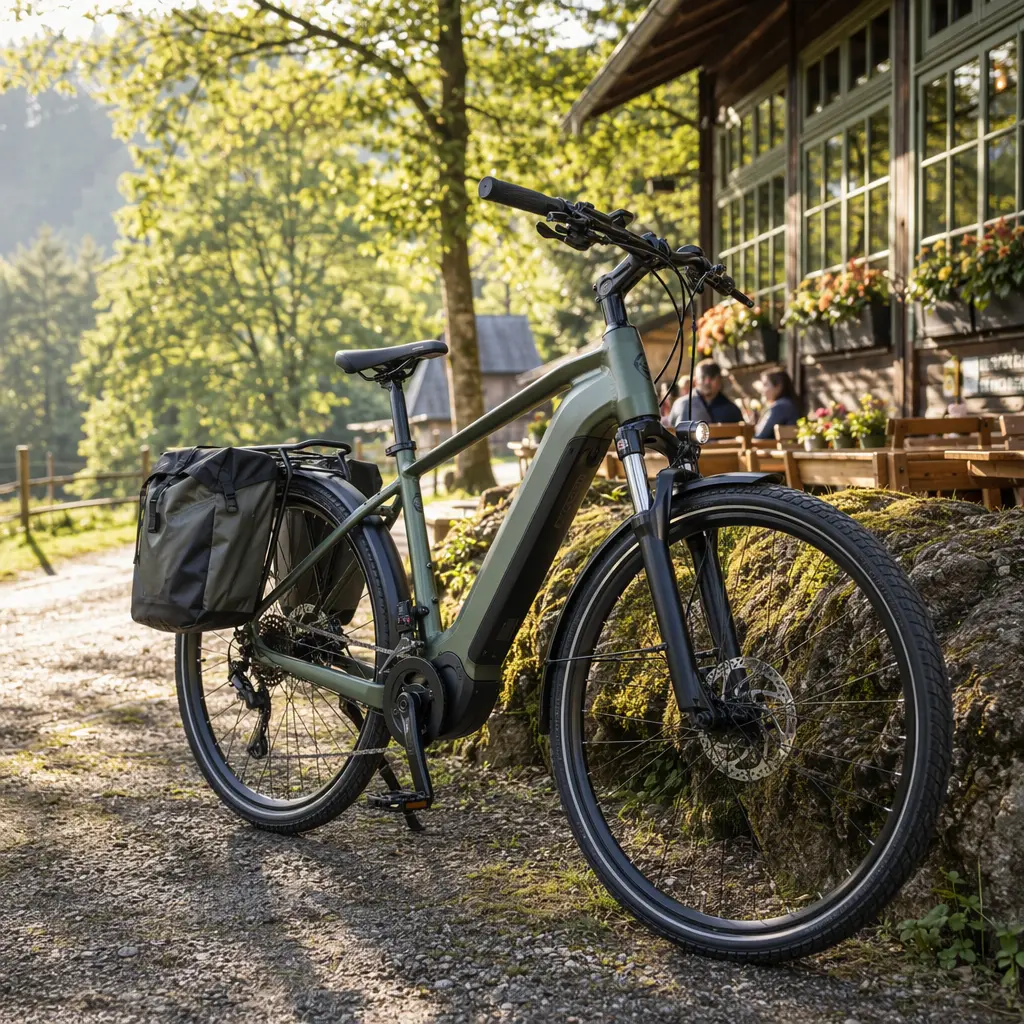
- Rear racks designed for panniers and shopping loads
- Comfort-focused geometry suited to longer rides
- Wide-range gears for mixed terrain and steeper climbs
- Large-capacity batteries on many models for extended mileage
Who it’s for
The Trekking range suits riders who see an e-bike as transport first and recreation second, although it comfortably handles both. Typical owners include longer-distance commuters, riders returning to cycling after years away, and people replacing some car journeys with electrically assisted riding. It is particularly well suited to hilly towns and suburban routes where a standard hybrid can start to feel hard work after several consecutive days. Budget-wise, these bikes usually sit in the mid-to-premium end of the mainstream e-bike market, with used examples often drawing strong interest because of their motor systems and practical equipment.
Variants and what to look for today
The Trekking family has covered a wide spread of specifications over the years. Entry-oriented versions usually focus on value, pairing smaller batteries and simpler drivetrains with the same general frame design. Mid-range bikes often add larger batteries, improved suspension forks and stronger hydraulic disc brakes. Higher-spec versions can include more integrated frame designs, upgraded displays and touring-ready component choices aimed at heavier mileage.
Second-hand buyers should focus less on cosmetic age and more on battery health, service history and motor support. Bosch systems remain attractive partly because replacement parts and diagnostics are widely available through UK dealers. Check for excessive drivetrain wear, particularly on heavily used commuter bikes, as mid-drive motors can accelerate chain and cassette wear if neglected. Wheel condition matters too. Trekking e-bikes often carry luggage and rider weight over rough roads, so cracked rims or loose spokes are worth checking carefully.
- Entry trims usually prioritise value and everyday commuting
- Mid-range versions often gain bigger batteries and better brakes
- Higher-end models may include more refined integration and touring equipment
- Look for healthy battery performance and charger condition
- Inspect chain, cassette and brake wear on high-mileage examples
Frequently asked questions
Are Haibike Trekking bikes good for commuting?
Yes. The range was largely built around practical daily riding, with features such as mudguards, lights, pannier racks and comfortable riding positions making them well suited to commuting in mixed UK conditions.
Can they handle gravel paths and towpaths?
Most Trekking models cope well with light off-road use such as canal paths, forestry tracks and compacted gravel. They are not intended for aggressive mountain biking, but wider tyres and front suspension help on rougher surfaces.
How heavy are they?
Like many fully equipped e-bikes, they are noticeably heavier than non-assisted hybrids. The extra weight comes from the motor, battery and practical accessories, although the electric assistance offsets much of that while riding.
Is a used Haibike Trekking still worth considering?
A well-maintained example can still make sense, especially if the Bosch system has been serviced properly and the battery remains healthy. Older models may lack the cleaner integration of newer bikes, but many remain dependable everyday machines.
The Haibike Trekking family helped establish the idea that an e-bike could be a practical long-distance tool rather than a novelty. In the UK, where hills, wind and longer suburban journeys often discourage everyday cycling, that combination of comfort, carrying capacity and reliable assistance continues to resonate. They are not the lightest or cheapest electric bikes around, but for riders who value everyday usability over showroom minimalism, the formula still makes a lot of sense.
Find these on Amazon
As an Amazon Associate, CheapBikes earns from qualifying purchases.