Claud Butler Explorer: a British all‑rounder with touring roots
The Claud Butler Explorer is a long‑running UK hybrid that mixes light touring DNA with everyday practicality. It’s a familiar sight on towpaths and high streets, valued for comfort, fittings and sensible kit.

The Claud Butler Explorer sits in a very British sweet spot: not flashy, not extreme, but quietly capable at a bit of everything. Over the years it has been the sort of bike you see locked outside offices, rolling along canal paths, or heading out of town with a pair of panniers. As a family, the Explorer blends light touring ideas with everyday hybrid practicality, making it a familiar choice for riders who want one bike to cover commuting, errands and weekend miles.
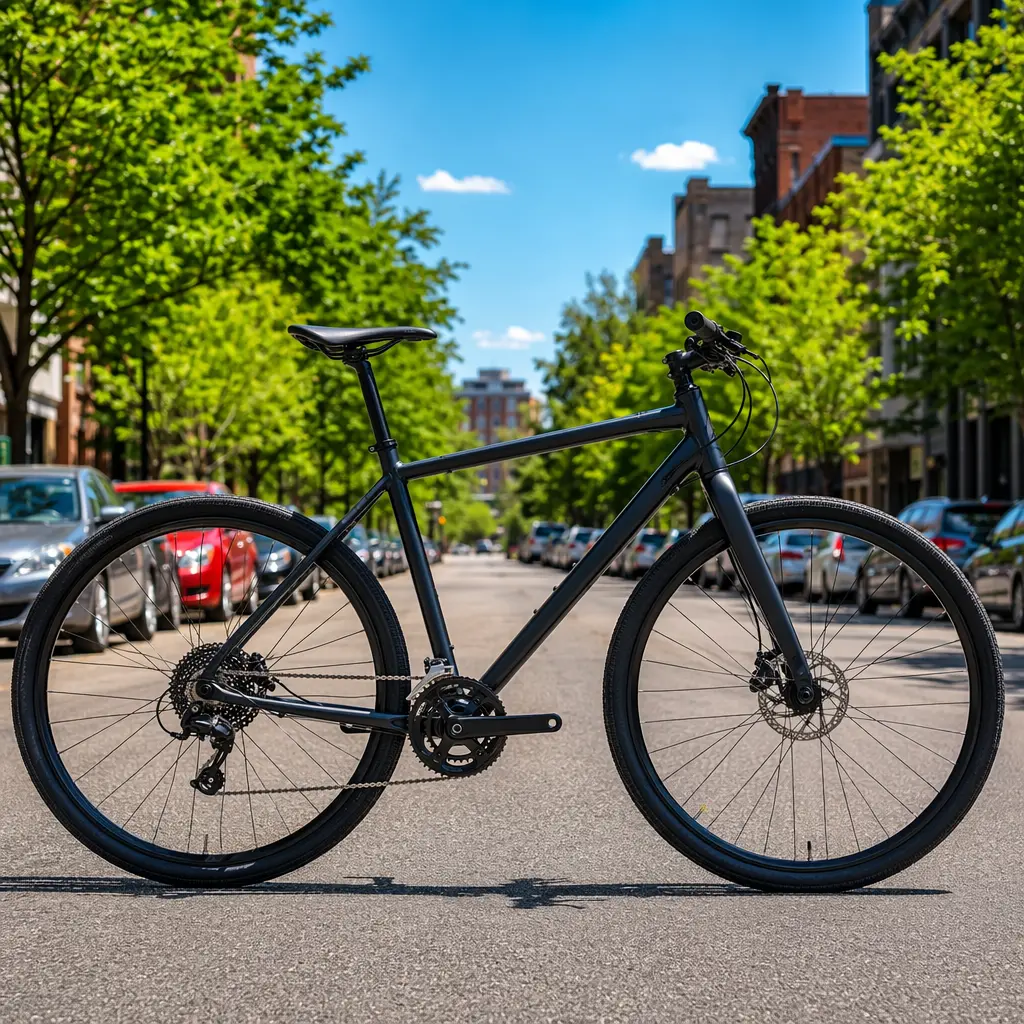
Where it came from
The Claud Butler name carries weight in British cycling, tracing back to early 20th‑century touring and club riding. The Explorer family arrived much later, tapping into that heritage while responding to modern UK riding needs: flatter bars, practical gearing and fittings for mudguards and racks. It wasn’t about racing pedigree, but about making everyday riding comfortable and achievable.
In the UK, Explorers have typically been sold through mainstream bike shops and larger retailers as dependable hybrids rather than niche tourers. The positioning has stayed consistent: sensible specification, recognisable branding, and a price that undercuts more performance‑led urban bikes while offering more versatility than a basic runabout.
Why it works
At heart, the Explorer works because it borrows the calm manners of a touring bike and packages them in an accessible hybrid format. The riding position is usually upright without being bolt‑upright, taking pressure off wrists and neck while still feeling efficient on the road. Wheel sizes and tyres are chosen for stability and durability rather than outright speed, which suits broken tarmac, kerbs and gravelly paths.
Component choices across the family have traditionally leaned towards reliability. Gearing tends to be wide‑range, making hills manageable even with shopping or luggage, while braking systems are picked for consistency in wet UK conditions. It’s not about shaving grams; it’s about getting on and riding without fuss.
- Relaxed, confidence‑building geometry inspired by light touring bikes
- Mounts for full‑length mudguards and rear racks as standard
- Durable wheels and tyres suited to mixed road and path use
- Wide‑range gearing for stop‑start urban riding and loaded trips
- Comfort‑focused finishing kit, often with adjustable stems
Who it's for
The Explorer is aimed squarely at riders who want one bike to do most things reasonably well. Daily commuters, leisure riders building up weekend distance, and anyone returning to cycling after a break tend to appreciate its forgiving nature. It also suits riders who value practicality over image. New examples have typically sat in the mid‑hundreds of pounds bracket, while used ones remain popular with value‑conscious buyers looking for a dependable all‑rounder.
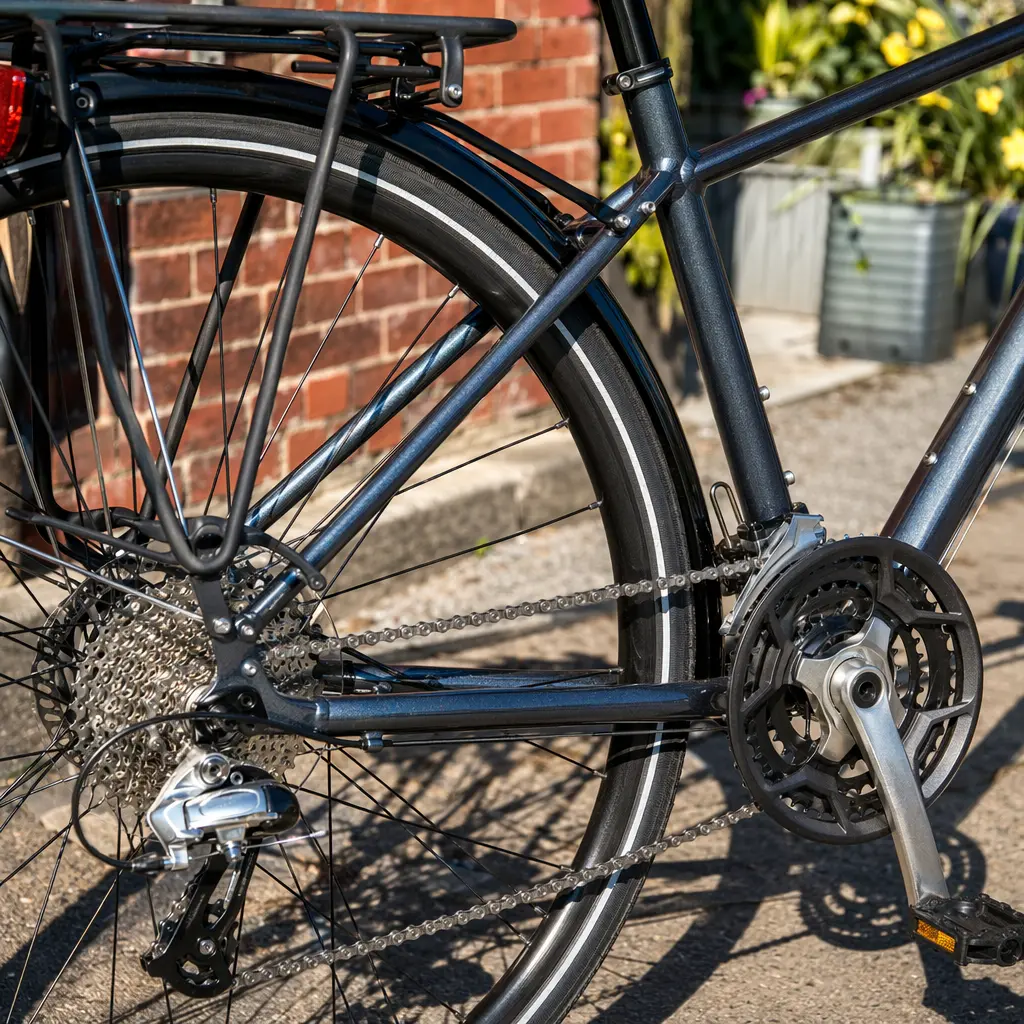
Variants and what to look for today
Across its lifespan, the Explorer name has covered a few broad trims rather than radically different designs. Entry‑level versions keep things simple with basic but sturdy components, while higher trims add lighter finishing kit, smoother shifting and sometimes suspension forks for extra comfort on rough paths. The core idea stays the same throughout: practicality first.
If you’re considering a second‑hand Explorer, condition matters more than the badge on the frame. Check wheels for true running, look for corrosion around bolt‑on fittings, and pay attention to drivetrain wear. Because many Explorers have lived hard commuter lives, a fresh chain, cassette and brake service can transform how they feel.
Frequently asked questions
Is the Claud Butler Explorer more of a road bike or a tourer?
It sits between the two. The Explorer isn’t a fast road bike, but it borrows touring stability and blends it with flat bars and everyday components for mixed UK riding.
Can it handle gravel paths and towpaths?
Yes, within reason. Typical tyre clearances and geometry cope well with gravelly paths, canal towpaths and rough lanes, though it’s not designed for technical off‑road trails.
Are older Explorers still worth buying?
Many are. The simple, serviceable components mean older bikes can be refreshed easily. As long as the frame is sound and parts are available, they can offer strong value.
What size should I choose?
Sizing tends to follow traditional hybrid measurements. Because the fit is forgiving, getting the right frame size and adjusting saddle and stem usually matters more than chasing an exact match.
The Claud Butler Explorer doesn’t chase trends, and that’s exactly why it has endured. For UK riders who value comfort, versatility and sensible design over headlines, it remains a reminder that a well‑judged all‑rounder can still be the most useful bike of all.
Find these on Amazon
As an Amazon Associate, CheapBikes earns from qualifying purchases.