Is a commuter bike worth it for rides under three miles?
For short, everyday trips, comfort and practicality often beat speed. This guide explains when a commuter bike makes sense for sub‑three‑mile rides, what you gain, and where cheaper bikes cut corners.

If most rides are under three miles, the big question is whether a dedicated commuter bike is worth it at all. At this distance, outright speed matters less than arriving comfortable, clean and unflustered. For UK riders doing short hops to work, the shops or the station, commuter bikes promise ease and practicality rather than athletic performance.
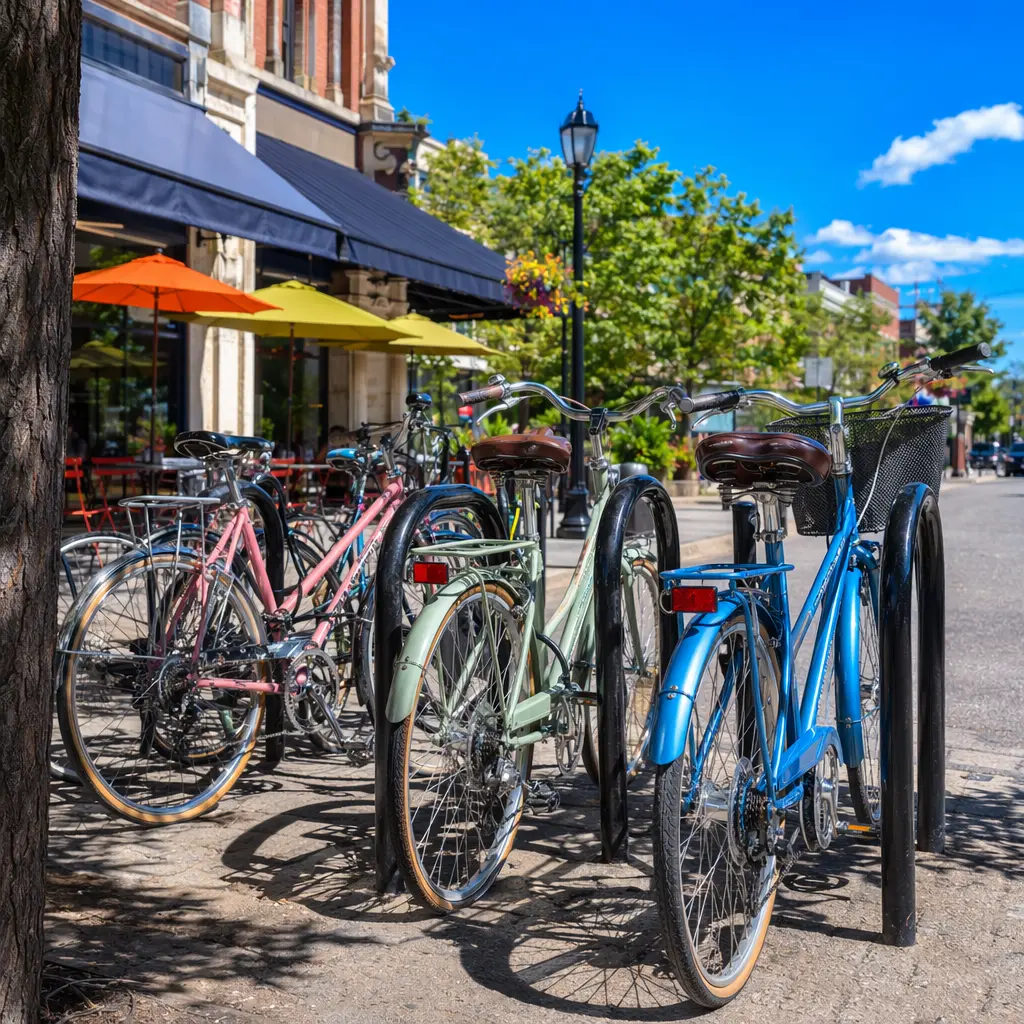
What you actually get at this price
Commuter bikes are defined less by a single price point and more by a set of practical choices. Even at entry and mid-level budgets, the focus is on comfort, durability and everyday usability. For short rides, these priorities often outweigh lighter weight or racier geometry.
Compared with a basic road or hybrid bike, a commuter usually includes parts designed to reduce hassle. The trade-off is extra weight and slightly slower acceleration, which is rarely a problem over two or three miles.
- Frame: aluminium or steel, with a more upright riding position for visibility and comfort
- Gearing: wide-range 1x or simple multi-speed setups; sometimes internal hub gears for low maintenance
- Brakes: mechanical disc or V-brakes; hydraulic discs appear at higher budgets
- Tyres: wider, puncture-resistant tyres prioritising durability over speed
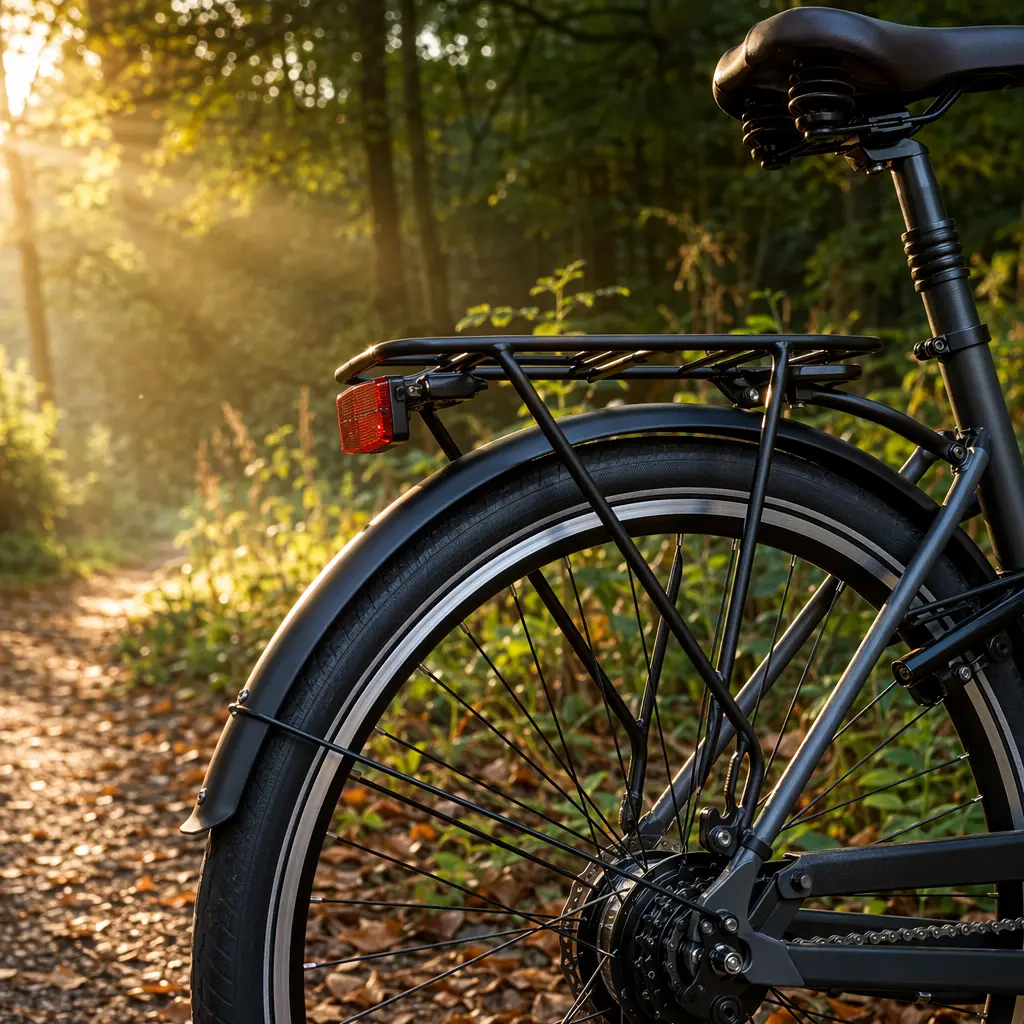
- Extras: factory-fitted mudguards, rear rack mounts, sometimes kickstand and integrated lights
How to choose
For very short commutes, fit and riding position matter more than frame material or brand prestige. An upright geometry reduces strain on wrists, neck and lower back, and makes frequent stops at junctions less tiring. Being able to put a foot down easily is a real benefit in traffic.
Think about how the bike will actually be used. Carrying a laptop or groceries points towards a rack and panniers rather than a backpack. Regular riding in work clothes makes full-length mudguards more important than shaving seconds off the journey. Storage also matters: a heavier bike is less of an issue if it lives in a shed or hallway rather than being carried upstairs.
What to look out for
- Weight: commuter bikes are often heavier, which can be noticeable if carrying them up steps
- Basic wheels: entry-level wheelsets can be strong but not especially light or lively
- Cheap contact points: saddles and grips are often built to a price
- Limited adjustability: some city bikes have fewer stem or bar options
- Security expectations: practical bikes still need a decent lock, which adds cost
Worth spending more on
For short commutes, a few targeted upgrades make a bigger difference than a lighter frame. Tyres are the standout: puncture-resistant models reduce roadside repairs and lost time. A comfortable saddle suited to an upright position can transform the ride, especially if the bike is used daily.
Practical accessories are also money well spent. A solid lock, good-quality lights and weatherproof panniers improve the ownership experience far more than marginal gains in speed. These items can move with you to a future bike, spreading the cost.
Frequently asked questions
Is a road bike faster even over short distances?
Yes, but the difference over two or three miles is usually small in urban traffic. Junctions, lights and congestion limit average speed more than bike choice.
Are commuter bikes only for flat routes?
No. Wide-range gearing or hub gears cope well with gentle hills. For very steep routes, check the lowest gear rather than the number of speeds.
What about folding bikes for short rides?
Folding bikes are excellent for mixed-mode travel or limited storage, but they can feel less stable on rough roads and often cost more for similar component quality.
Is second-hand a good idea?
Used commuter bikes can be good value, especially from local shops offering a warranty. Check brakes, tyres and drivetrain wear, as these parts add up if replacements are needed.
For sub‑three‑mile rides, a commuter bike is often worth it because it removes friction from everyday travel. Comfort, practicality and reliability matter more than speed, making these bikes a sensible choice for short, regular journeys.
Find these on Amazon
As an Amazon Associate, CheapBikes earns from qualifying purchases.