Is a BMX bike worth it for teenagers who ride street?
For teens riding kerbs, stair sets and street spots, a simple BMX can make more sense than pricey park parts. Here’s what you really get, what to avoid, and how to choose wisely.
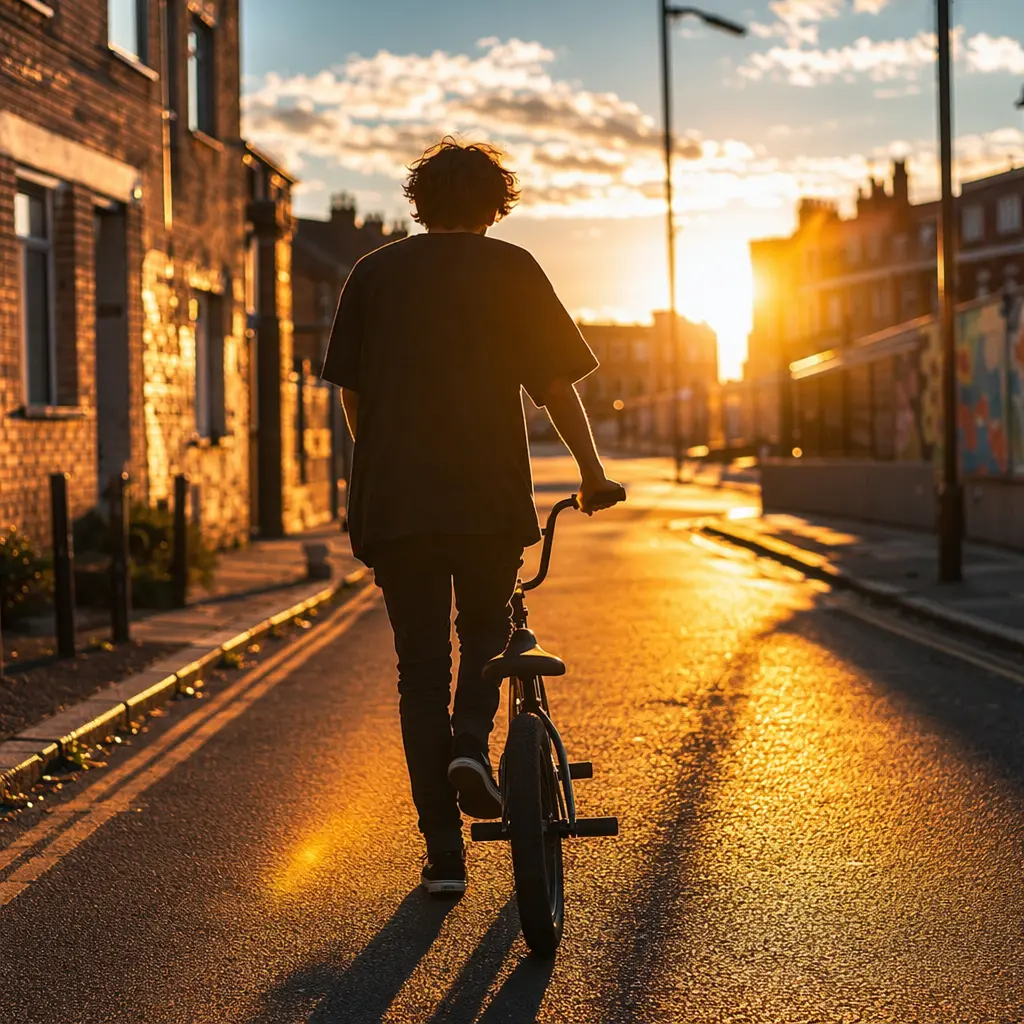
For teenagers who mostly ride street — hopping kerbs, cruising estates, practising tricks on flat ground and the odd stair set — the big question is whether a BMX bike is actually worth it. With plenty of flashy park builds and expensive upgrades on offer, it’s easy to overspend. The good news is that street riding rewards simplicity, durability and fit more than specialist parts, and a basic BMX setup often makes more sense than spending big.
What you actually get at this price
Entry-level and mid-range BMX bikes are designed to take abuse. Even at sensible budgets, they prioritise strong frames and simple components over weight savings or park-specific extras. For street-focused teenagers, that’s often exactly what’s needed.
Compared with skatepark-oriented builds, street-friendly BMX bikes usually keep things minimal. That helps with reliability and keeps maintenance cheap — important when the bike is being thrown down steps or dropped onto concrete.
- Frame: hi-tensile steel or partial chromoly; heavier than premium frames but tough
- Forks and bars: steel, built to handle impacts rather than shave grams
- Drivetrain: single-speed with a basic 3‑piece or 1‑piece crank
- Brakes: rear U‑brake or no brakes at all, depending on preference
- Wheels: double-wall rims, often heavy but durable
- Extras: usually no pegs, no gyro, no pads — simple and street-ready
How to choose
Fit matters more than almost anything else. BMX bikes don’t come in traditional frame sizes, so top tube length is key. For most teenagers, a top tube around 20–20.75 inches suits street riding, offering stability without feeling unwieldy.
Think about how the bike will actually be used. If riding is mostly on the street with occasional park visits, a neutral setup works best: mid-rise bars, moderate gearing and a rear brake for control. Spending extra on park-only features like gyros or ultra-light parts rarely pays off for street use.
What to look out for
- Very cheap frames that use thin hi‑ten steel throughout — they can bend or crack
- Single-wall rims, which won’t last long on kerbs and stair drops
- Overly tall bars or long frames that don’t suit a teenager’s height
- Bikes sold without a rear brake when the rider isn’t confident braking
- Heavy add-ons included for looks rather than usefulness
Worth spending more on
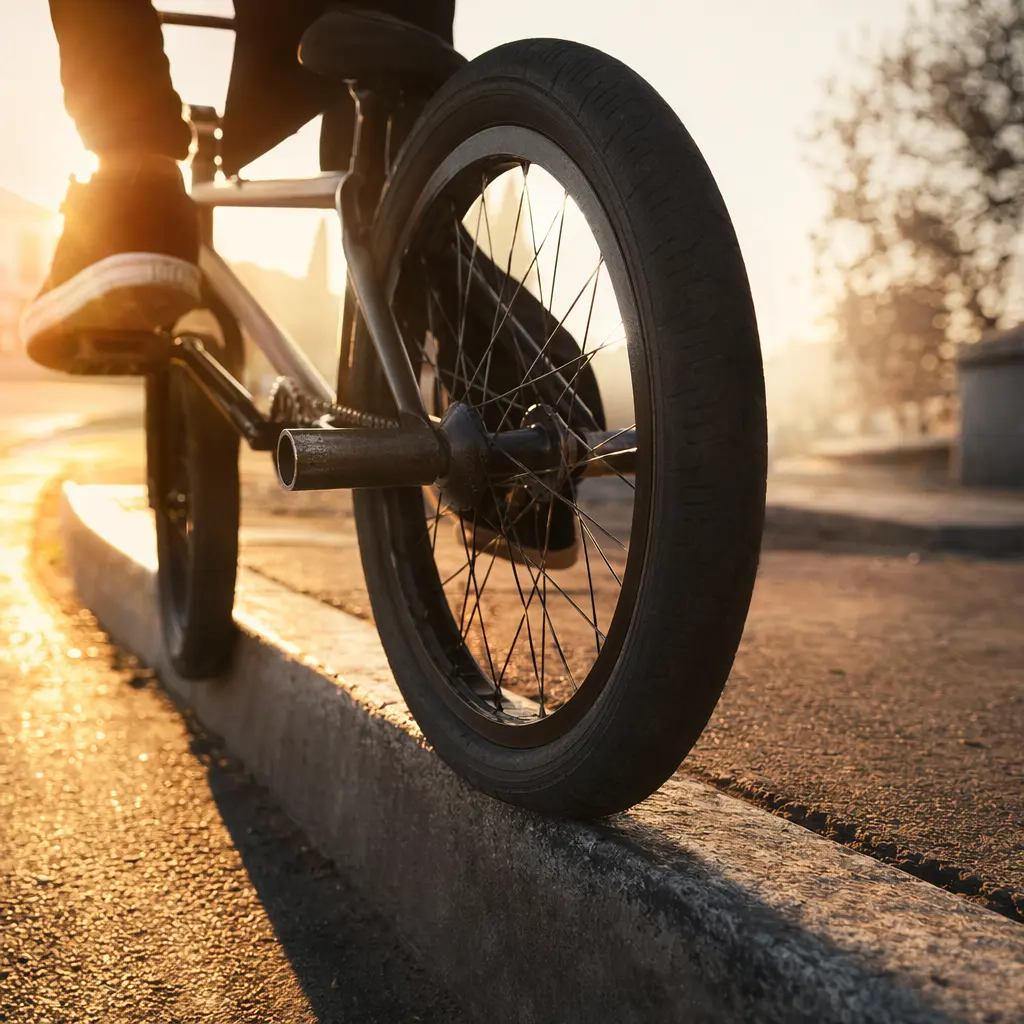
Street riding is hard on contact points. If there’s room in the budget, a few smart upgrades make a bigger difference than chasing lighter frames or flashy parts.
Good tyres with thicker sidewalls reduce punctures and improve grip on concrete. A decent saddle and grips improve comfort and control, especially during longer sessions. Safety gear also matters: a well-fitting helmet and gloves are far better investments than cosmetic upgrades.
Frequently asked questions
Is a BMX better than a mountain bike for street riding?
For tricks, hops and tight urban spaces, a BMX is usually better. It’s smaller, tougher for its size and designed to be thrown around. A mountain bike rolls faster and is more comfortable for distance, but it’s less suited to technical street moves.
Do teenagers need pegs for street riding?
Not at the start. Pegs add weight and can get in the way. Many riders add them later once they know they’ll use them. Starting without pegs keeps the bike simpler and cheaper.
Are park-specific BMX bikes bad on the street?
Not bad, but often less ideal. Lightweight park builds can feel twitchy and may not handle repeated impacts as well. Street riding favours sturdiness over lightness.
Is buying used a good idea?
Yes, if checked carefully. Look for cracks around welds, straight wheels and smooth bearings. A used BMX from a known brand can offer excellent value, but avoid bikes that look heavily abused.
In short, for teenagers who mostly ride street, a BMX bike is worth it — especially when kept simple. Focus on fit, strength and sensible components, and skip the park-only extras until they’re genuinely needed.
Find these on Amazon
As an Amazon Associate, CheapBikes earns from qualifying purchases.