Hybrid vs commuter bikes at £500 for daily riding
Trying to choose between a hybrid bike and a commuter bike at around £500? Here’s what each style does well, where the compromises sit, and which setup suits daily UK riding best.
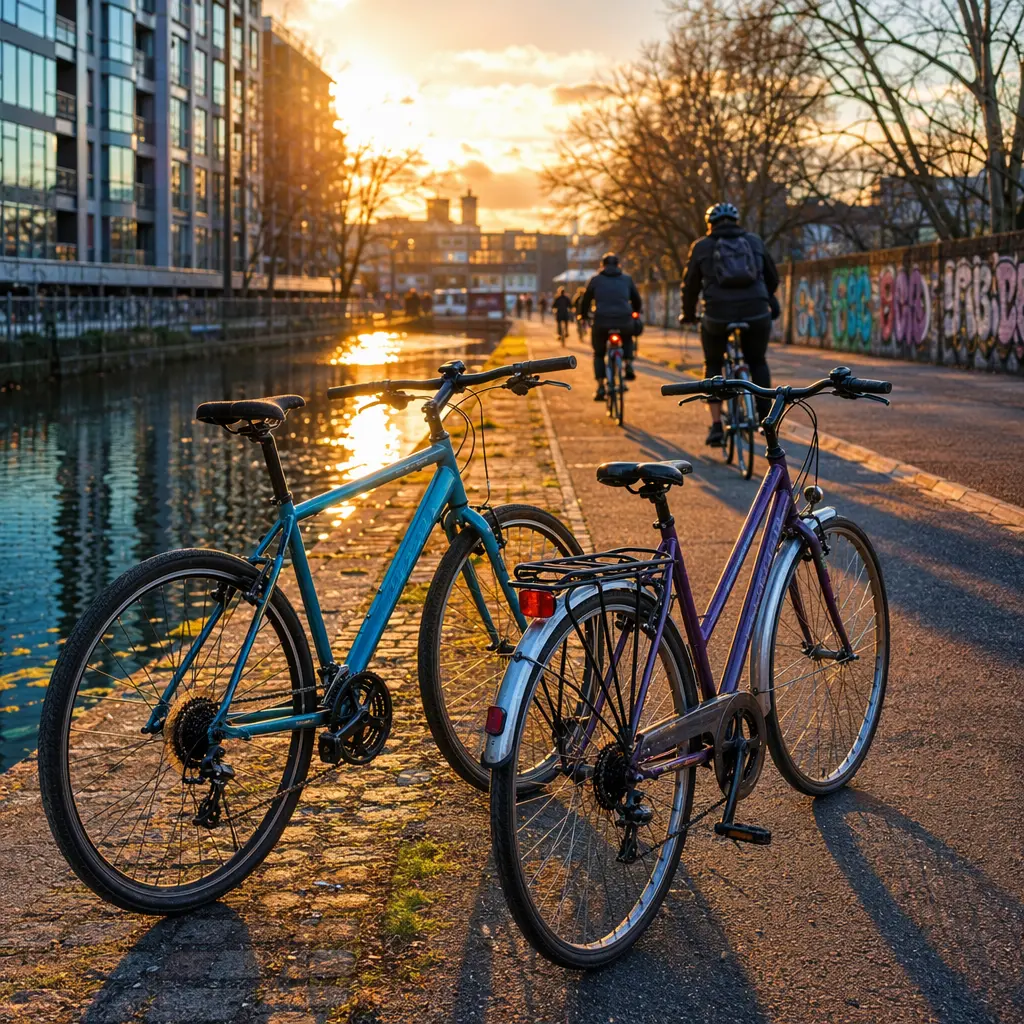
At around £500, the choice between a hybrid bike and a commuter bike comes down to how daily riding actually looks. Hybrid bikes usually lean toward comfort and versatility, while commuter bikes focus more heavily on practicality and low-maintenance transport. Both can handle short city trips, canal paths and longer rides to work, but the differences matter once poor weather, luggage and rough roads enter the picture. At this budget, buyers are balancing comfort, reliability and long-term running costs rather than chasing outright performance.
What you actually get at this price
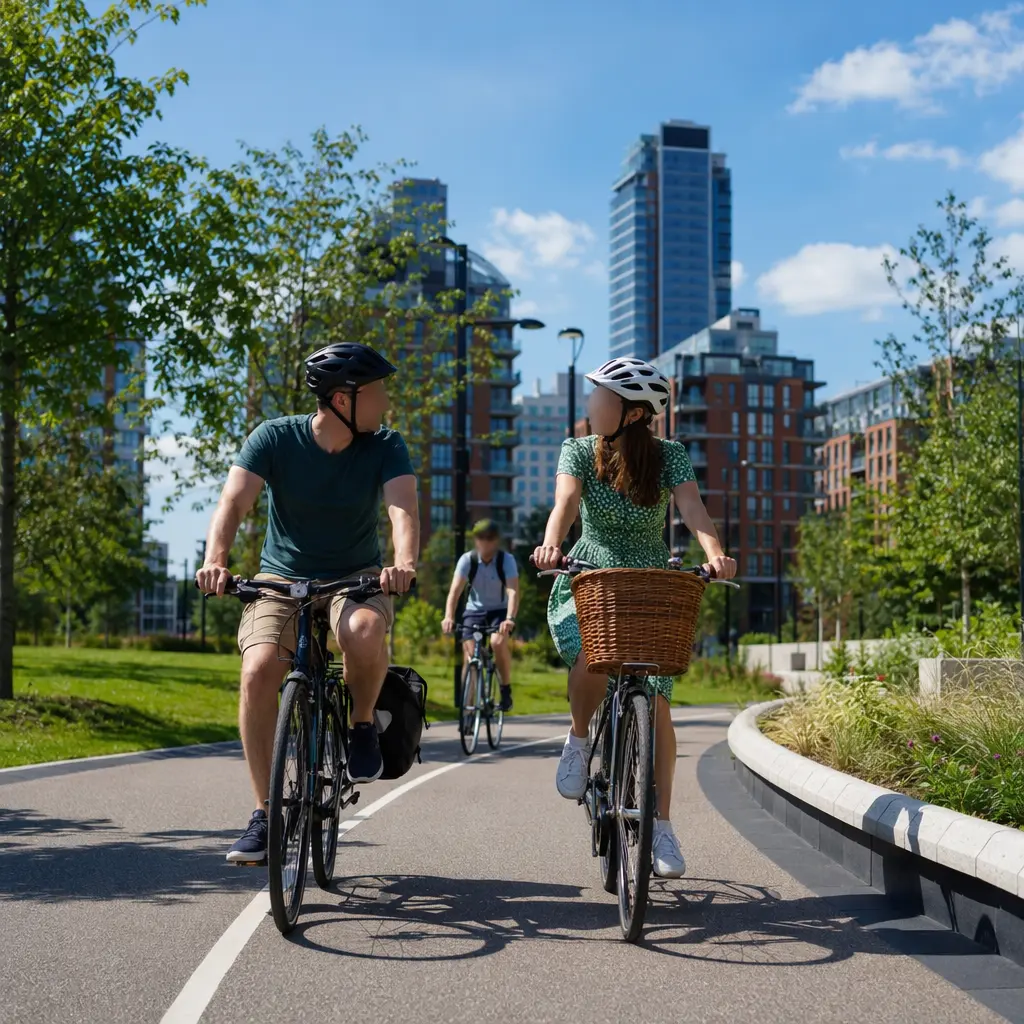
The £500 mark is competitive for everyday bikes. Most hybrids in this range use aluminium frames with upright geometry, flat handlebars and wide tyres for comfort over potholes and kerbs. Commuter-focused bikes often share the same basic frame material but add practical kit such as mudguards, pannier racks or integrated lighting compatibility.
Mechanical disc brakes are increasingly common at this level, though some bikes still use rim brakes to keep costs down. Drivetrains are usually entry-level Shimano or microSHIFT systems with wide gearing suited to hills and stop-start riding rather than speed. Suspension forks occasionally appear on hybrids, but cheaper suspension can add weight without improving ride quality much on roads.
- Aluminium frames with upright riding positions
- 7 to 9-speed drivetrains designed for everyday reliability
- Mechanical disc brakes or basic hydraulic discs on stronger value models
- Tyres around 35mm to 45mm wide for comfort and grip
- Mounts for mudguards and panniers on many commuter-focused bikes
- Basic finishing kit including flat pedals and entry-level saddles
How to choose
Hybrid bikes make sense for riders who want one bike to cover several jobs. They are usually lighter-feeling and slightly more relaxed to ride recreationally, especially on mixed surfaces such as towpaths, compact gravel and rough cycle lanes. A good hybrid at £500 feels stable, predictable and comfortable enough for regular use without demanding specialist clothing or aggressive riding positions.
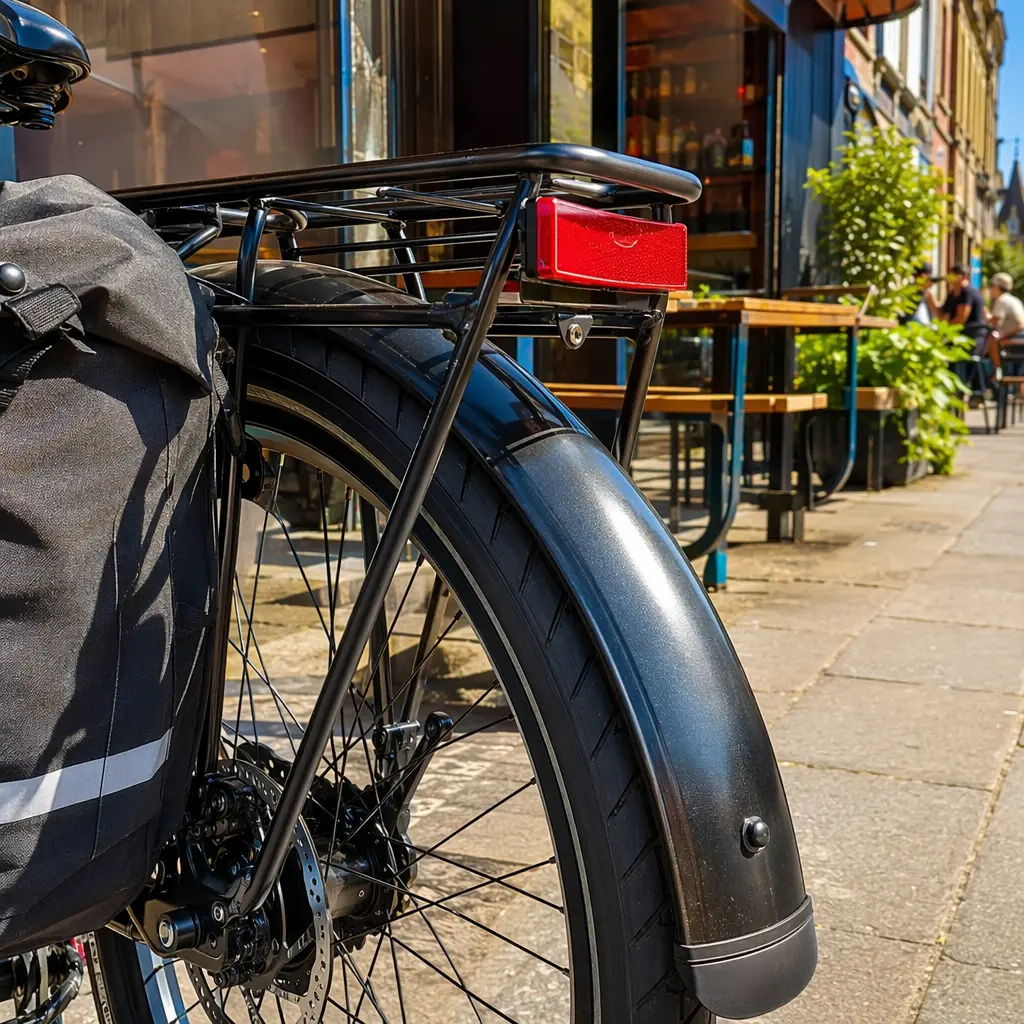
Commuter bikes prioritise practicality over flexibility. If the bike will mainly carry a bag, deal with wet roads and stay outside offices or stations, commuter-focused features quickly become valuable. Full mudguards keep work clothes cleaner, pannier racks remove the need for sweaty backpacks, and puncture-resistant tyres reduce maintenance headaches. Geometry is often calmer and slightly heavier, but better suited to year-round transport riding. Riders covering flatter urban routes may value that convenience more than the lighter handling of a hybrid.
What to look out for
- Heavy suspension forks that add weight without much comfort benefit
- Cheap tyres with limited puncture protection
- Basic mechanical disc brakes needing regular adjustment
- Limited rack or mudguard mounts on sportier hybrids
- Heavy wheelsets that feel sluggish when accelerating
- Low-quality contact points such as grips and saddles
- Integrated accessories that are difficult to replace later
Worth spending more on
A few small upgrades can transform a £500 bike more effectively than stretching for a more expensive frame. Tyres are often the best first improvement. Better puncture-resistant tyres roll faster, grip better in the wet and reduce roadside repairs. Daily commuters especially benefit from reliable tyres during winter months.
Comfort upgrades also matter more than many riders expect. Saddles, grips and pedals can improve longer journeys significantly, particularly on upright hybrids where more weight sits directly on contact points. A proper lock is another essential purchase rather than an optional extra, especially in towns and cities. Spending more on security usually protects the overall investment better than chasing minor drivetrain upgrades.
Frequently asked questions
Is a hybrid bike fast enough for commuting?
Yes. Most hybrid bikes are easily quick enough for typical urban commuting. Wider tyres and upright positions may feel slightly slower than road-focused bikes, but comfort and visibility often outweigh small speed differences in traffic.
Are commuter bikes heavier?
Usually, yes. Mudguards, racks, sturdier tyres and more durable frames add weight. However, those same features can make daily riding far more practical and dependable in poor weather.
Should a £500 bike have hydraulic disc brakes?
Hydraulic discs are becoming more common at this price, but mechanical discs and rim brakes still appear on many reliable bikes. Setup quality and tyre choice often matter more for everyday riding than the brake type alone.
Is it better to buy used at this budget?
Used bikes can offer stronger components for the money, but condition matters heavily. Buyers unfamiliar with drivetrain wear, wheel damage or brake servicing may find a new bike with warranty support less risky for daily transport use.
For most riders spending around £500, the better choice comes down to whether comfort and versatility matter more than practical commuting features, so matching the bike to the actual daily journey is the smartest way to spend the budget.
Find these on Amazon
As an Amazon Associate, CheapBikes earns from qualifying purchases.