5 commuter bikes worth upgrading to from a supermarket bike
Moving on from a supermarket bike can mean lighter handling, better brakes and fewer repair headaches. Here’s what actually improves when upgrading to a proper commuter bike.

Supermarket bikes can get someone riding for very little money, but regular commuting quickly exposes their limits. Heavy frames, vague gears, weak brakes and parts that wear out early can turn short journeys into hard work. Upgrading to a proper commuter or hybrid bike is usually less about speed and more about comfort, reliability and confidence in traffic. Riders moving up from ultra-budget bikes often notice the difference immediately, especially on hills, wet roads and longer daily rides.
What you actually get at this price
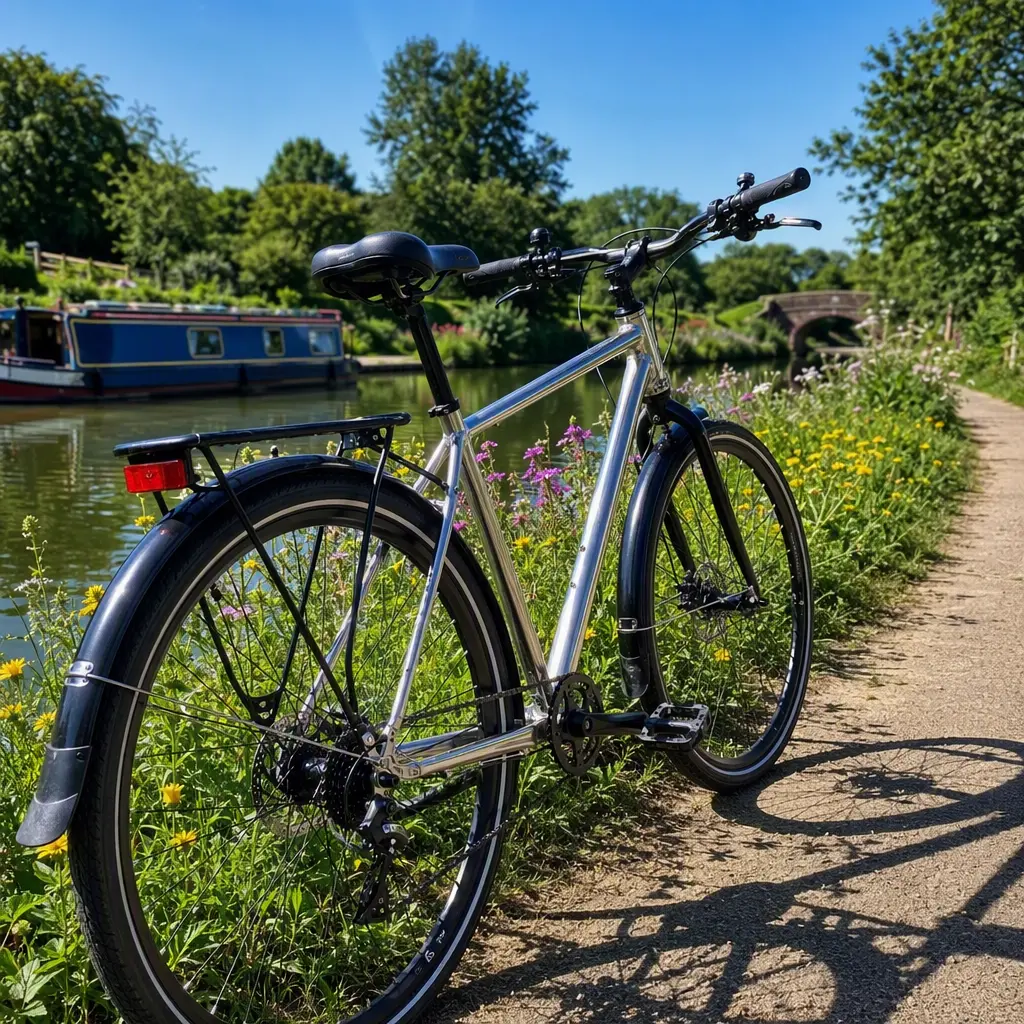
The jump from a supermarket bike to a proper entry-level commuter bike usually starts around the point where manufacturers use better frames, branded components and wheels that stay true for longer. Even relatively affordable commuter bikes from established cycling brands tend to feel more predictable and stable on rough roads, kerbs and cycle paths.
The biggest quality-of-life upgrade is often reliability. Gear shifting becomes cleaner, braking needs less effort and puncture-resistant tyres are more common. Many commuter-focused bikes also include mounts for mudguards and panniers, making them easier to live with year-round in typical British weather.
- Lighter aluminium frames instead of very heavy hi-tensile steel
- More dependable 8-speed or 9-speed drivetrains with wider gear ranges
- Hydraulic or improved mechanical disc brakes on many models
- Double-wall wheels that cope better with potholes and daily mileage
- Tyres designed for commuting with better puncture protection
- Mounts for racks, mudguards and bottle cages
- More upright geometry for visibility and comfort in traffic
How to choose
The best commuter bike depends on the journey rather than the marketing. Riders covering flatter urban routes may prefer a simple hybrid with narrower tyres and a relaxed riding position, while longer commutes on rough roads benefit from wider tyres and lower gearing. Bikes designed for commuting usually prioritise stability and comfort over aggressive speed, which makes them easier to ride in ordinary clothes and stop-start traffic.
Fit matters more than many first-time buyers expect. A bike that is too stretched out can make shoulder and wrist discomfort worse during daily rides. Adjustable stems, wider saddles and sensible handlebar height are often more useful for commuting than lightweight race-style parts. It is also worth checking whether the frame has proper mounts for mudguards and panniers if carrying work gear is part of the routine.
What to look out for
- Very heavy suspension forks that add weight without improving urban comfort
- Cheap mechanical disc brakes with inconsistent wet-weather performance
- Narrow tyres with little puncture protection
- Limited rack or mudguard compatibility
- Basic plastic pedals and grips that wear quickly
- Wheels with low spoke counts that may struggle with potholes and luggage
- Overly sporty geometry that feels twitchy in traffic
Worth spending more on
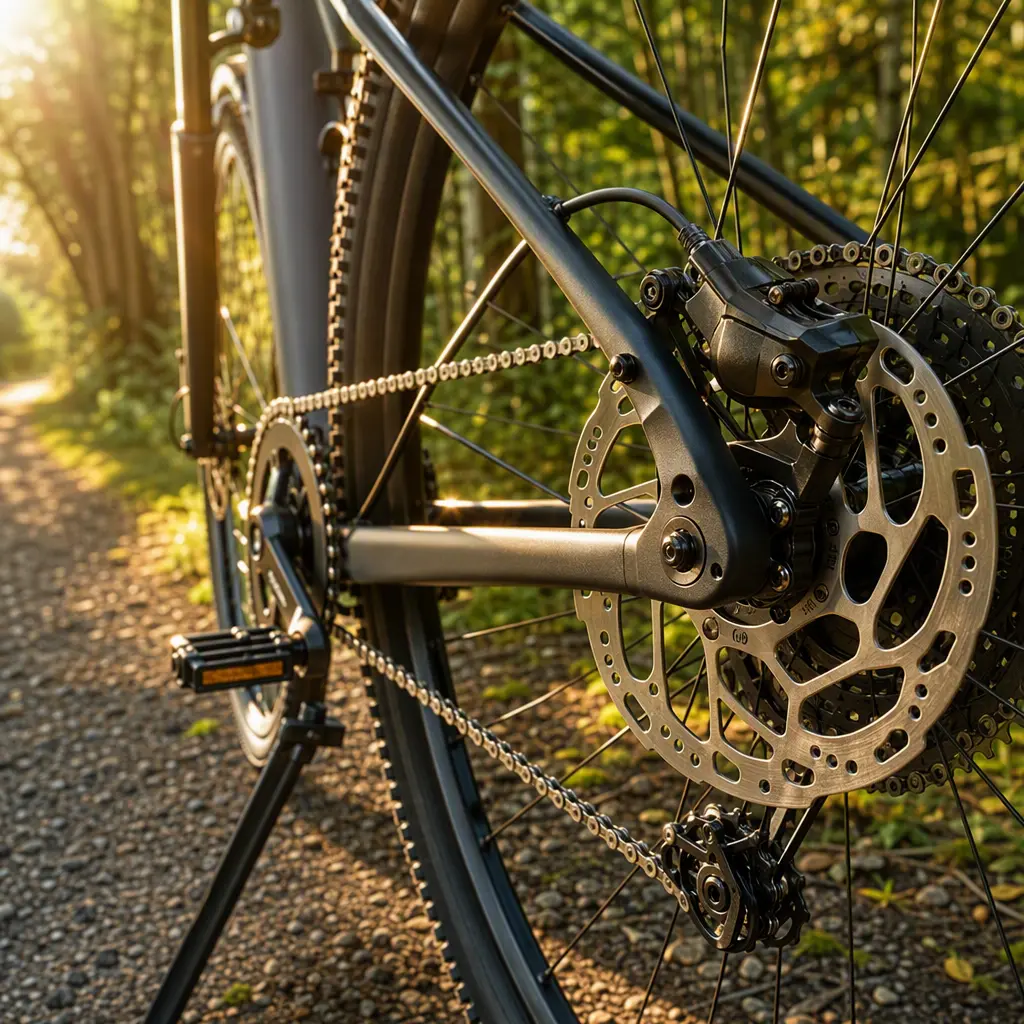
A few small upgrades can improve a commuter bike far more than chasing lighter components. Tyres are one of the best places to spend extra money, especially for riders dealing with broken glass, wet roads and potholes. Better puncture protection saves time and frustration, while slightly wider tyres often improve comfort without making the bike noticeably slower.
Locks, lights and contact points also matter. A decent helmet, brighter rechargeable lights and a secure lock are usually more important for daily riding than shaving a kilogram off the bike’s weight. Saddles and grips are highly personal, but replacing hard budget contact points can make regular commuting noticeably more comfortable.
Frequently asked questions
Will a more expensive commuter bike actually feel faster?
Usually yes, but not only because of weight. Better tyres, smoother bearings and more efficient drivetrains help the bike roll more easily, especially on longer rides or gentle climbs. The bike may also feel easier to control when accelerating away from traffic lights.
Are disc brakes worth it for commuting?
For year-round commuting in the UK, disc brakes are often worthwhile. They generally perform more consistently in wet conditions and require less hand force than basic rim brakes. Hydraulic systems usually feel smoother than cheaper mechanical disc setups.
Is a used commuter bike better value than buying new?
A good used bike from a recognised cycling brand can offer excellent value, especially compared with very cheap new bikes. However, buyers should budget for replacement tyres, brake pads or chains if maintenance history is unclear. New bikes may include warranty support and servicing.
Do commuter bikes need suspension?
Most city commuters are better off with rigid forks and slightly wider tyres instead of basic suspension. Cheap suspension forks often add weight and complexity without improving comfort much on roads or cycle paths.
Upgrading from a supermarket bike is less about chasing performance numbers and more about getting a commuter bike that feels dependable every day, especially when the weather and roads are working against the rider.
Find these on Amazon
As an Amazon Associate, CheapBikes earns from qualifying purchases.