Best Mountain Bikes Under £900 for New Trail Riders
Looking for a capable first trail bike without overspending? Here’s what a good mountain bike under £900 should include, where corners get cut, and which features matter most.
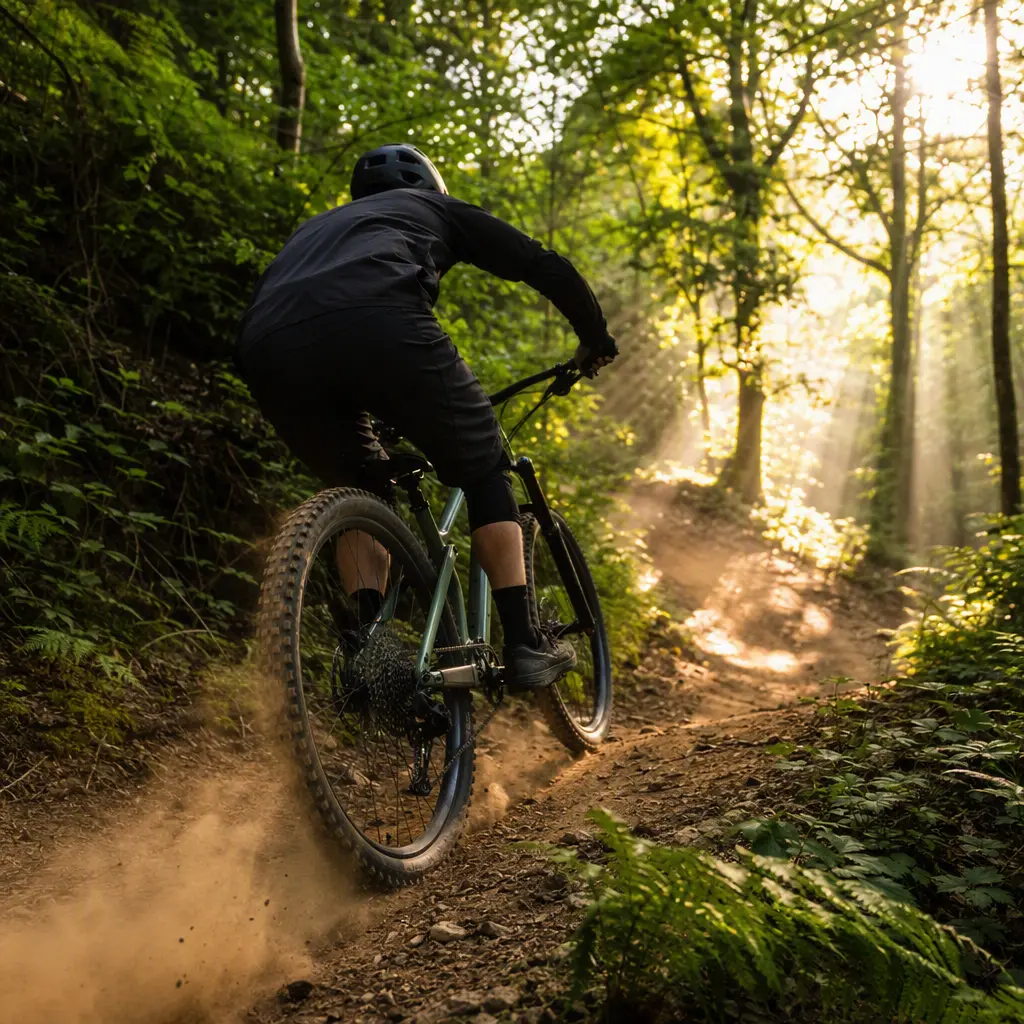
A budget of up to £900 is enough to buy a mountain bike that feels genuinely trail-ready rather than a heavy supermarket compromise. For beginner riders heading onto forest trails, red routes and rough bridleways, the key difference at this price is whether the bike has dependable core parts that can cope with repeated off-road use. Cheap mountain bikes often look aggressive but hide weak brakes, flexy forks and outdated geometry underneath. Spending carefully in this range can avoid those problems and leave room for future upgrades rather than immediate repairs.
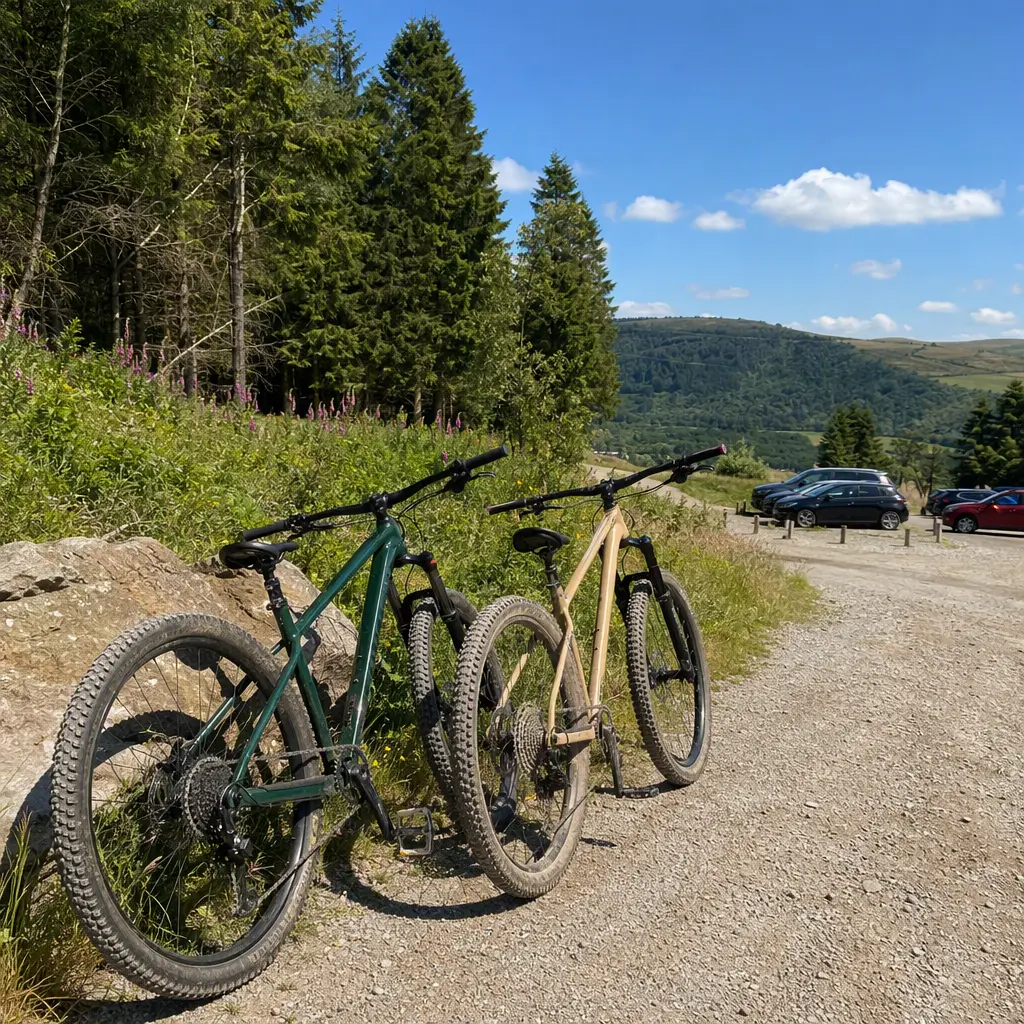
What you actually get at this price
Most worthwhile mountain bikes under £900 are hardtails rather than full-suspension bikes. That is usually a good thing. A decent aluminium hardtail with modern geometry, hydraulic disc brakes and a reliable drivetrain will handle trails better than a very cheap full-suspension bike with poor suspension components and excessive weight.
At the stronger end of this budget, buyers can expect air-sprung suspension forks with around 120mm to 140mm travel, wide-range 1x gearing and tubeless-ready wheels. Entry-level models closer to £600 may still use coil forks and narrower-range cassettes, but should still offer hydraulic brakes and sensible trail geometry. Internal cable routing and dropper post compatibility are increasingly common, although a dropper post itself may not be included.
- Aluminium hardtail frames are the norm and usually the best value choice
- Hydraulic disc brakes are worth prioritising over drivetrain upgrades
- 1x drivetrains with wide-range gearing simplify shifting on climbs and descents
- Air forks offer better adjustment and lower weight than basic coil forks
- 29in wheels roll smoothly over roots and rocks, while 27.5in wheels feel more agile
- Tubeless-ready tyres and rims help reduce punctures and improve grip
- Mounts for mudguards or frame bags vary, so check before buying if commuting is planned
How to choose
Geometry matters more than flashy specification sheets. Beginner riders usually benefit from a stable frame with a reasonably slack head angle and a longer reach, helping the bike feel calmer on descents without becoming awkward on flatter trails. Many older-style budget mountain bikes still use steep, nervous handling that can feel unstable once trails become rougher.
Wheel size and intended riding style should also shape the decision. Riders focused on flowing trail centres and longer rides may prefer the rollover speed of 29in wheels, while smaller riders or those riding tighter woodland tracks may enjoy the more playful feel of 27.5in setups. Fit remains critical regardless of wheel size. A correctly sized frame with room to move behind the saddle inspires far more confidence than a bike overloaded with expensive parts.
What to look out for
- Very heavy suspension forks with limited adjustment and poor damping
- Mechanical disc brakes instead of hydraulic systems
- Outdated triple-chainring drivetrains with clunky shifting
- Narrow handlebars and short-travel forks that limit control on rough trails
- Cheap tyres with weak grip in wet UK conditions
- Frames without modern standards such as thru-axles or dropper post routing
- Heavy wheelsets that make climbing and acceleration harder
- Very cheap full-suspension frames with excessive flex or unreliable pivots
Worth spending more on
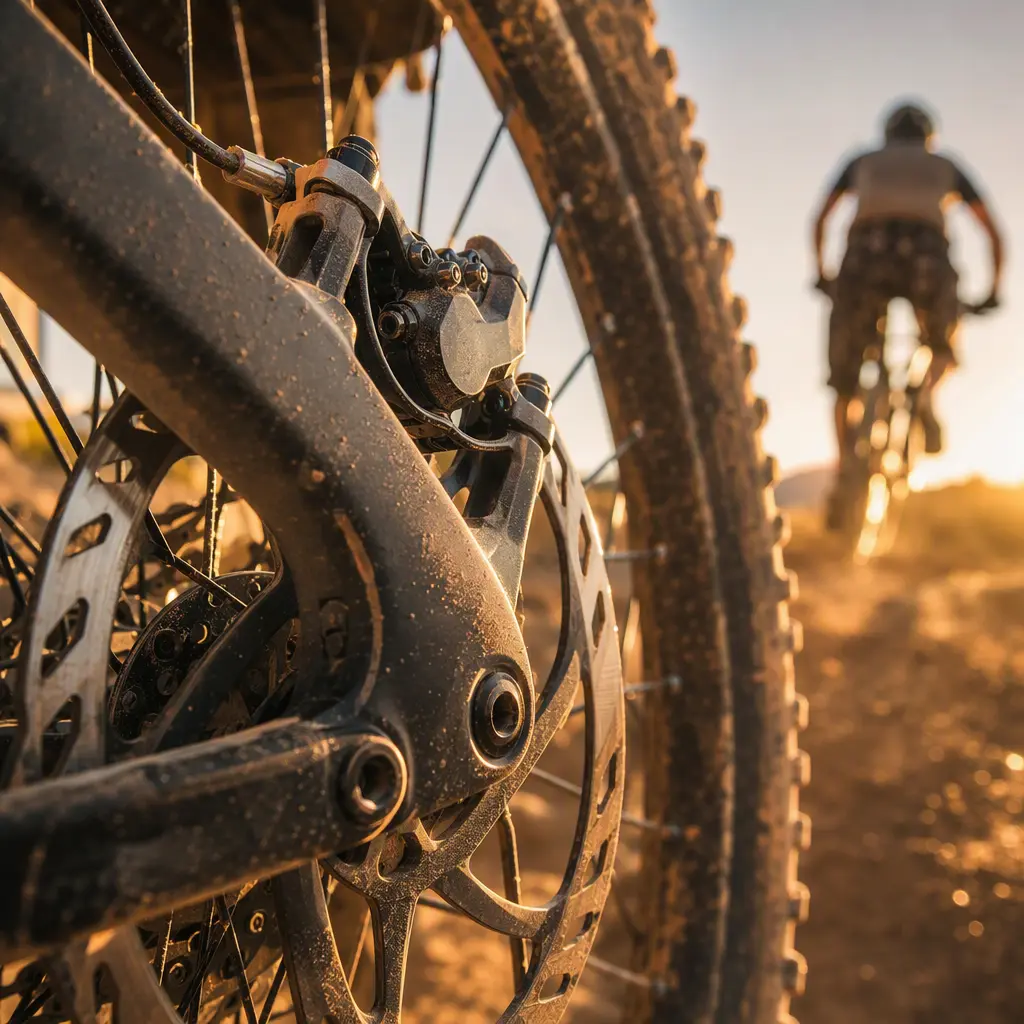
Even a solid mountain bike under £900 benefits from a few carefully chosen upgrades. Tyres are often the first area where manufacturers save money, and switching to grippier rubber suited to UK mud and loose surfaces can transform confidence and cornering control. Tubeless conversion kits are also worthwhile for riders regularly tackling rocky trails or long rides where punctures become frustrating.
A quality helmet and lock should be treated as part of the overall budget rather than optional extras. Flat pedals with metal pins improve grip immediately, while a more supportive saddle can make longer rides far more comfortable. Riders planning to progress onto steeper terrain may eventually want a dropper seatpost, but it is sensible to prioritise tyres and contact points first.
Frequently asked questions
Is a hardtail better than full suspension under £900?
In most cases, yes. A hardtail at this price usually offers better brakes, lighter weight and more reliable components than a cheap full-suspension bike. It will also cost less to maintain over time.
Can a beginner mountain bike handle trail centres?
A well-chosen hardtail under £900 is capable of handling most UK trail centres, forest routes and bridleways. More demanding downhill tracks may eventually expose the limits of entry-level suspension and tyres, but beginners will have plenty of room to progress.
Are hydraulic disc brakes really necessary?
For regular trail riding, hydraulic brakes are strongly recommended. They offer more power and control in wet conditions and require less hand effort on long descents compared with mechanical systems.
Should beginners buy used instead?
Used bikes can offer stronger specifications for the money, especially from respected trail brands, but condition matters heavily. Suspension wear, damaged wheels and neglected drivetrains can quickly erase any savings. New bikes usually include warranties and shop support, which many beginners find valuable.
For new trail riders, the sweet spot under £900 is a modern hardtail with hydraulic brakes, sensible geometry and reliable suspension — enough capability to enjoy proper off-road riding without paying for unnecessary extras.
Find these on Amazon
As an Amazon Associate, CheapBikes earns from qualifying purchases.