Best mountain bikes under £800 for UK leisure trails (2026)
Budget hardtail MTBs have improved fast. This guide explains what £800 buys for UK forestry tracks and trail centres, where corners are cut, and how to choose a capable, confidence‑boosting bike.
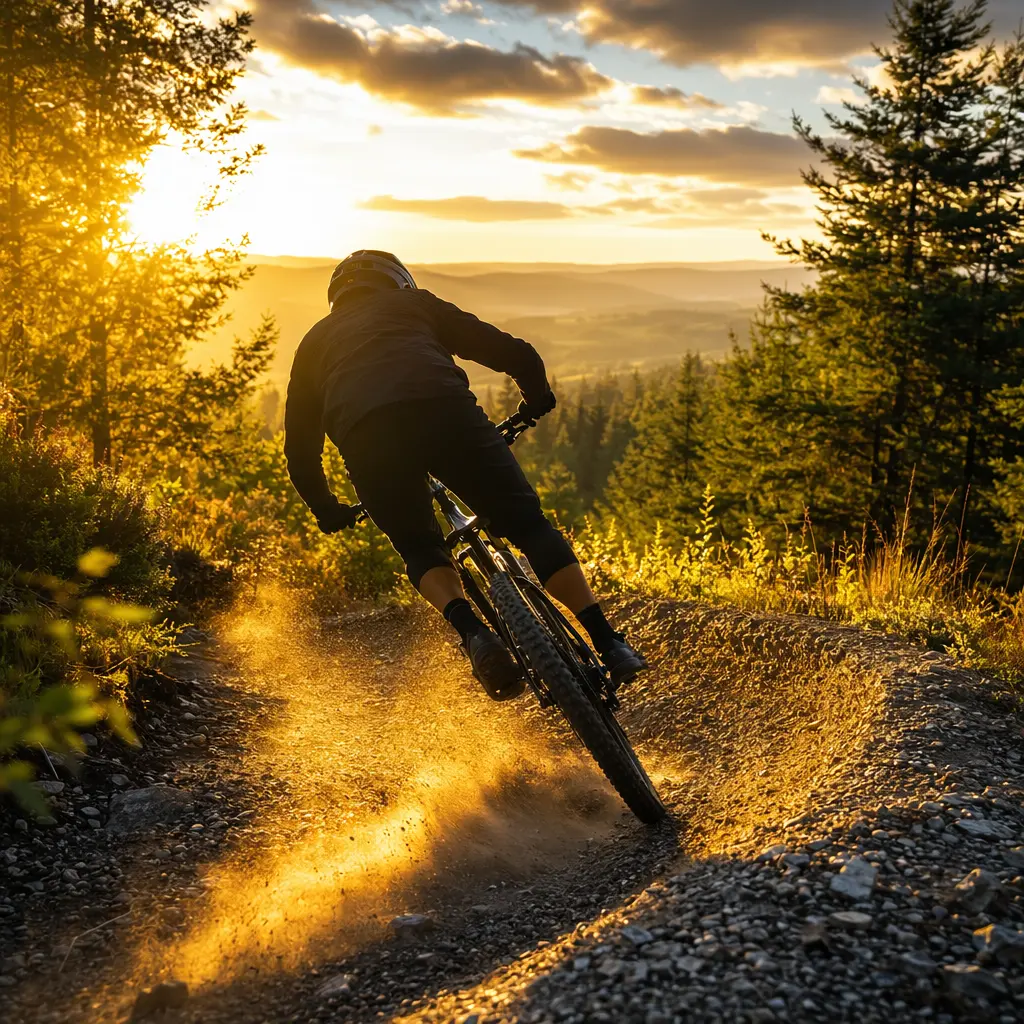
£800 used to mean a heavy, flexy mountain bike best kept on canal towpaths. In 2026, that budget goes much further. For UK leisure riders tackling forestry tracks, bridleways and trail centres’ blue routes, today’s sub‑£800 hardtails can be genuinely capable and confidence‑boosting. The trade‑offs are still real, but geometry, tyres and brakes have all moved on, making this price point a sensible place to start — or return — to off‑road riding without overspending.
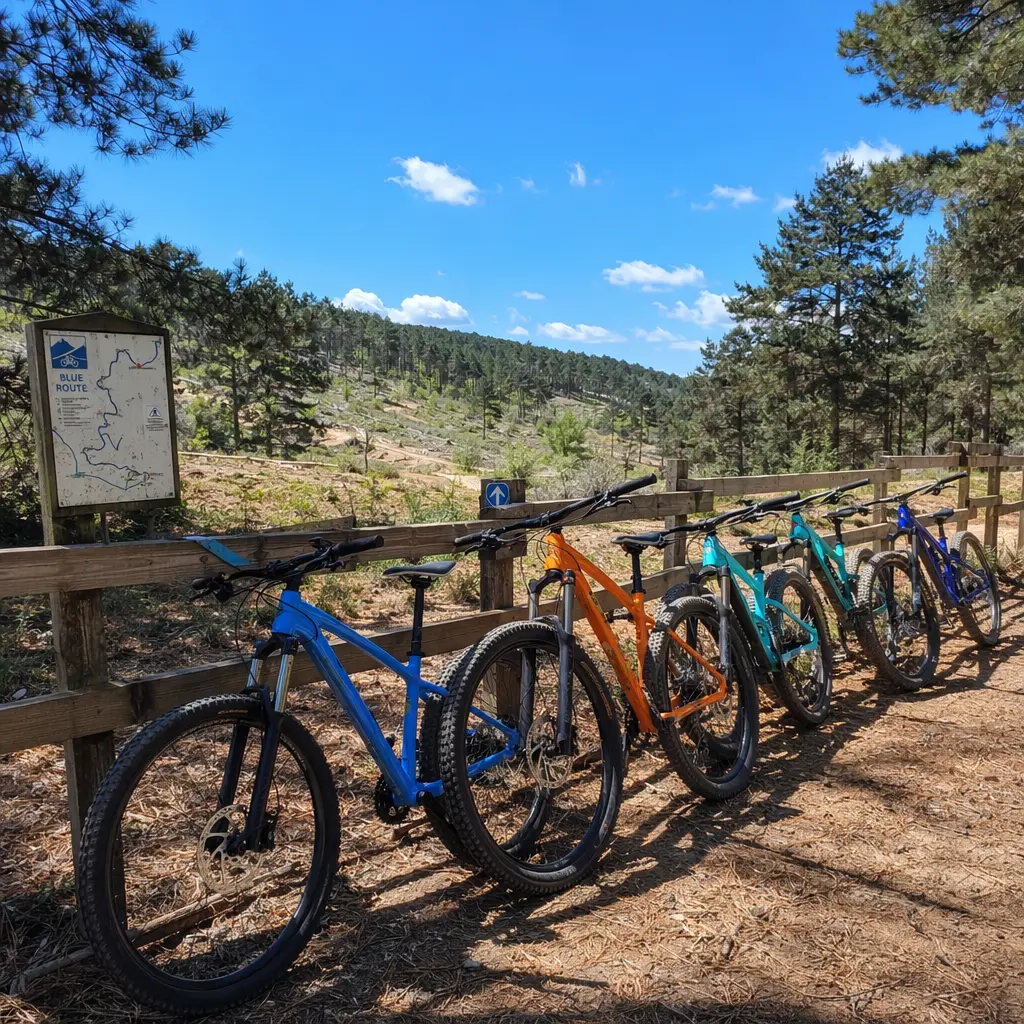
What you actually get at this price
At under £800, you are shopping for a hardtail mountain bike designed for leisure trails rather than big jumps or enduro racing. The big change in recent years is that frames and geometry now resemble pricier bikes, giving better stability and control on rough ground. Components are more basic, but they are generally reliable and easy to live with.
Expect sensible, trail‑friendly kit rather than flashy extras. Suspension forks and drivetrains are built to a price, but for forestry roads and trail centres’ blue loops they do the job. Here’s what that usually looks like:
- Frame: aluminium hardtail frame with modern trail geometry; often boost‑spaced rear ends and internal cable routing
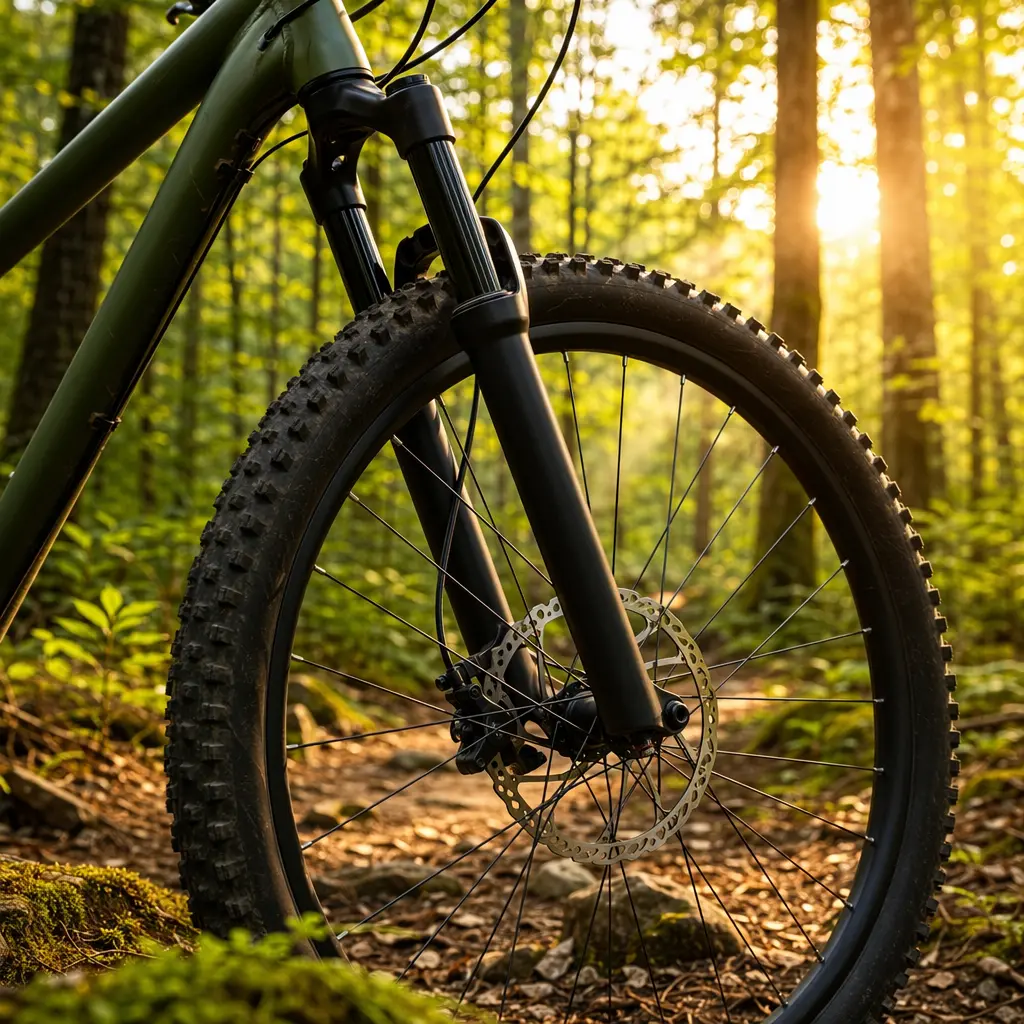
- Fork: coil‑sprung suspension fork with 100–120mm travel; basic damping and limited adjustment
- Gearing: 1x drivetrain with a wide‑range cassette, or a simpler 2x setup; lower‑tier components prioritising durability over crisp shifting
- Brakes: hydraulic disc brakes, usually with smaller rotors and entry‑level callipers
- Wheels and tyres: sturdy but heavy wheels paired with trail tyres around 2.3–2.4in wide for grip on loose UK surfaces
- Extras: usually no pedals; mounts for bottle cages are common, rack and mudguard mounts less so
How to choose
Start with where you will actually ride. UK leisure trails cover a broad range, from smooth forestry roads to rooty singletrack at trail centres. For this mix, a relaxed trail geometry is more forgiving than an old‑school cross‑country layout. Look for a slacker head angle and a longer reach, which add stability on descents without making climbs a slog.
Fit matters more than brand names at this budget. Check sizing charts carefully and, if possible, sit on the bike. A frame that’s too small will feel twitchy; too large will sap confidence. Wheel size also plays a role: 29in wheels roll well over roots and rocks, while 27.5in can feel more nimble for smaller riders. Neither is “better” — it’s about comfort and control for your height and riding style.
What to look out for
- Heavy suspension forks with limited damping control, which can feel harsh on repeated bumps
- Budget shifters and derailleurs that work best when kept clean and adjusted
- Wheels that add noticeable weight and can dull acceleration
- Basic tyres that may prioritise longevity over wet‑weather grip
- Lack of dropper post compatibility on some frames, limiting future upgrades
- Few mounting points if you plan to fit racks or full mudguards
Worth spending more on
Even on a tight budget, a few smart upgrades can transform how a sub‑£800 mountain bike feels. Tyres are the biggest win: swapping to a grippier, tubeless‑ready pair suited to UK conditions can improve confidence overnight. A comfortable saddle that suits your anatomy also pays dividends on longer rides.
Safety and practicality upgrades matter too. A quality helmet and gloves are non‑negotiable, while a decent lock is essential if the bike will ever be left outside a café or trail‑centre car park. If you plan to ride year‑round, clip‑on mudguards can make winter miles far more pleasant.
Frequently asked questions
Are mountain bikes under £800 good enough for trail centres?
Yes, for blue routes and many red sections ridden at a sensible pace. They are designed for leisure and learning, not big drops or bike‑park abuse. Skill progression often outpaces the bike before the bike becomes unsafe.
Is a hardtail better than a cheap full‑suspension bike?
At this price, a hardtail is usually the better choice. Budget full‑suspension bikes often add weight and complexity without offering effective suspension performance. A hardtail’s simplicity means more reliable components for the money.
Can these bikes be upgraded later?
Most can accept sensible upgrades like tyres, pedals and saddles. Bigger changes — forks, wheels or dropper posts — depend on frame compatibility and can quickly approach the cost of the bike itself, so upgrades should be chosen carefully.
Is buying used a better option?
Used bikes can offer better components for the money, but condition matters. Check for worn drivetrains, tired suspension and cracks. For new riders, the warranty and predictability of a new bike can be worth the premium.
Bottom line: under £800 now buys a capable, enjoyable hardtail for UK leisure trails — choose the right fit, accept the compromises, and it’s a solid way to get riding more often.
Find these on Amazon
As an Amazon Associate, CheapBikes earns from qualifying purchases.