Best mountain bikes under £650 for beginners in 2026
New to mountain biking? Here’s what £650 buys in 2026 — capable entry-level hardtails that avoid the worst shortcuts, plus what to prioritise, what to skip, and how to choose wisely.
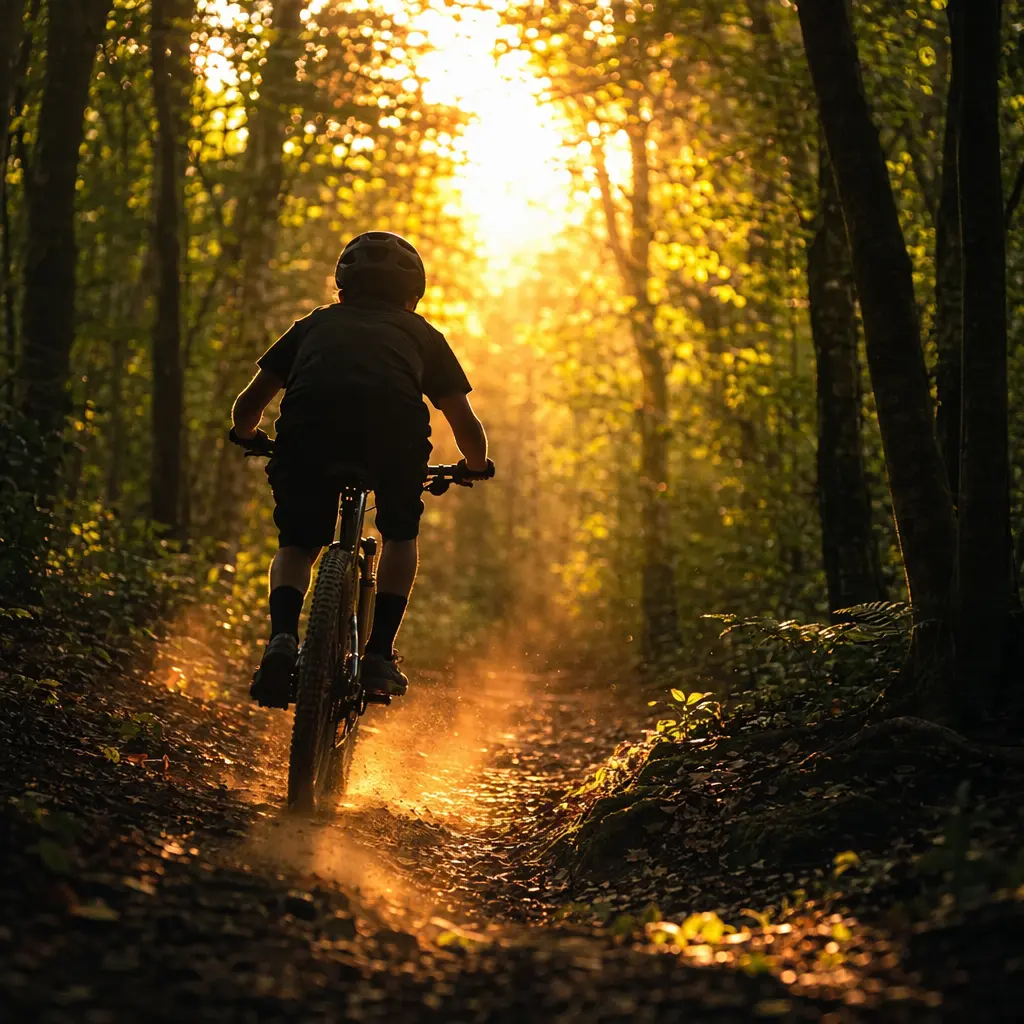
This guide is for riders buying their first proper mountain bike — or upgrading from a supermarket special — with a budget capped at £650. At this level, the goal is simple: a bike that’s genuinely trail-capable, safe, and enjoyable, without wasting money on shiny but weak components. Spend too little and you risk poor brakes or fragile suspension; spend smart and you get a solid hardtail that can handle UK trail centres, bridleways and weekend exploring.
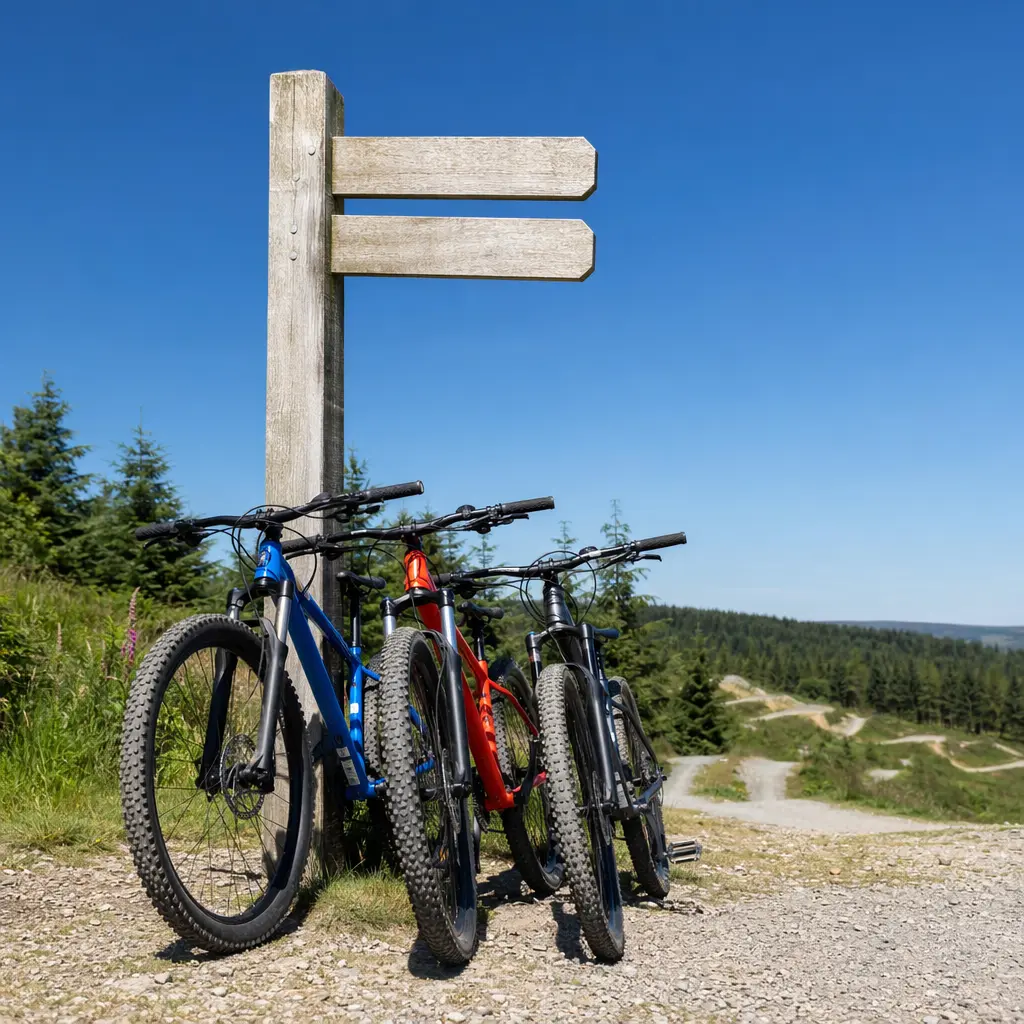
What you actually get at this price
Around £500–£650 is the entry-level trail sweet spot. You’re still looking at a hardtail (front suspension only), but the best options now avoid the worst shortcuts seen on cheaper bikes. Frames are strong and modern-looking, and components are basic but serviceable rather than disposable.
Don’t expect featherweight parts or race-ready suspension, but you should expect predictable handling, dependable brakes and gearing that can cope with real climbs — not just park paths.
- Frame: aluminium hardtail with modern trail geometry and internal cable routing
- Fork: coil-sprung suspension fork, typically 100–120mm travel, basic adjustment at best
- Gearing: wide-range 1x drivetrain (single front chainring) on better bikes, or 2x on older designs
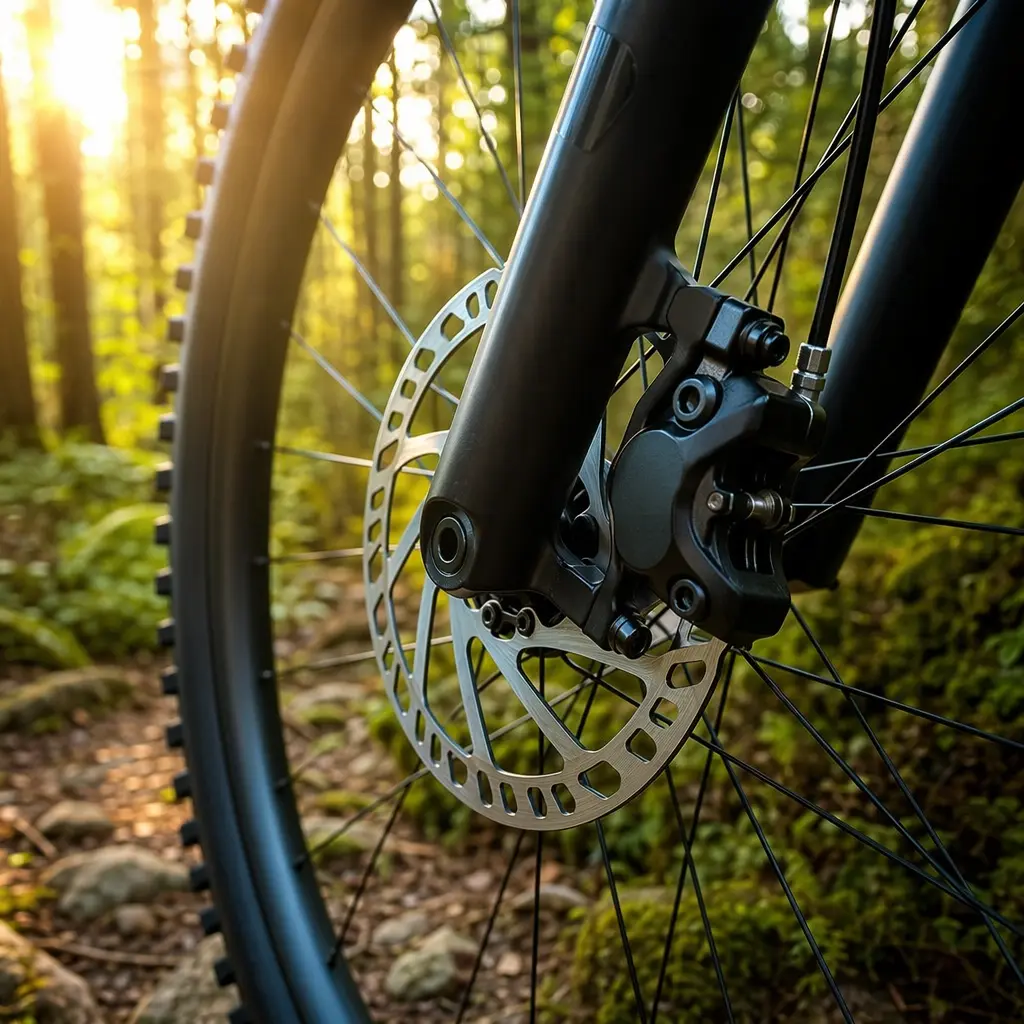
- Brakes: cable or entry-level hydraulic disc brakes; hydraulics are strongly preferable
- Wheels & tyres: 27.5in or 29in wheels with durable but heavy rims and trail-pattern tyres
- Extras: usually no pedals; mounts for bottle cages are common, rack mounts are rare
How to choose
Fit and intent matter more than brand names at this price. A bike that fits properly will feel more confident and forgiving, especially on uneven ground. Most entry-level mountain bikes come in broad sizes (S–XL), so check the size chart and don’t guess.
Think about where you’ll actually ride. For trail centres, woodland singletrack and rough bridleways, prioritise stable geometry, strong brakes and grippy tyres. If riding is mainly towpaths with the occasional trail, weight and rolling speed matter more than suspension travel.
What to look out for
- Very basic suspension forks with no damping control — they add weight without real trail benefit
- Mechanical (cable) disc brakes that lack power in wet UK conditions
- Outdated 3x drivetrains with lots of gears but poor chain security
- Heavy wheels and tyres that make climbing harder than it needs to be
- Limited upgrade paths, such as odd axle sizes or non-standard headsets
Worth spending more on
At this budget, the smartest upgrades aren’t flashy components — they’re the contact points and safety kit. Swapping tyres for better-quality rubber can transform grip and confidence, especially in wet or loose conditions. A comfortable saddle and decent grips also make longer rides far more enjoyable.
If the bike comes with cable disc brakes, budgeting for a future upgrade to entry-level hydraulics is worthwhile. Likewise, a proper helmet and a solid lock are non-negotiable for UK riding, whether on trails or locking up in town.
Frequently asked questions
Is £650 enough for real trail riding?
Yes — for beginners. A well-chosen hardtail under £650 can handle trail centres and natural singletrack. It won’t be fast or plush, but it will be capable and confidence-building.
Hardtail or full suspension for beginners?
Hardtail, without question at this price. Cheap full-suspension bikes add weight and complexity without working well. A hardtail teaches good skills and is cheaper to maintain.
27.5in or 29in wheels — which is better?
Both work. 29in wheels roll more easily over roots and rocks, while 27.5in can feel more agile for smaller riders. Fit and geometry matter more than wheel size.
Is buying used a good idea?
Used can offer better components for the money, but only if you know what to check. Worn drivetrains and tired suspension can quickly erase any savings.
In short: £650 is enough to start mountain biking properly in 2026 — focus on fit, brakes and sensible components, and you’ll have a bike that encourages progression rather than holding you back.
Find these on Amazon
As an Amazon Associate, CheapBikes earns from qualifying purchases.