Best hybrid bikes under £800 for comfort commuters (2026)
A value-led guide to hybrid bikes under £800 that prioritise comfort for daily commuting, explaining where extra spend reduces wrist, back and saddle fatigue — and where it doesn’t.
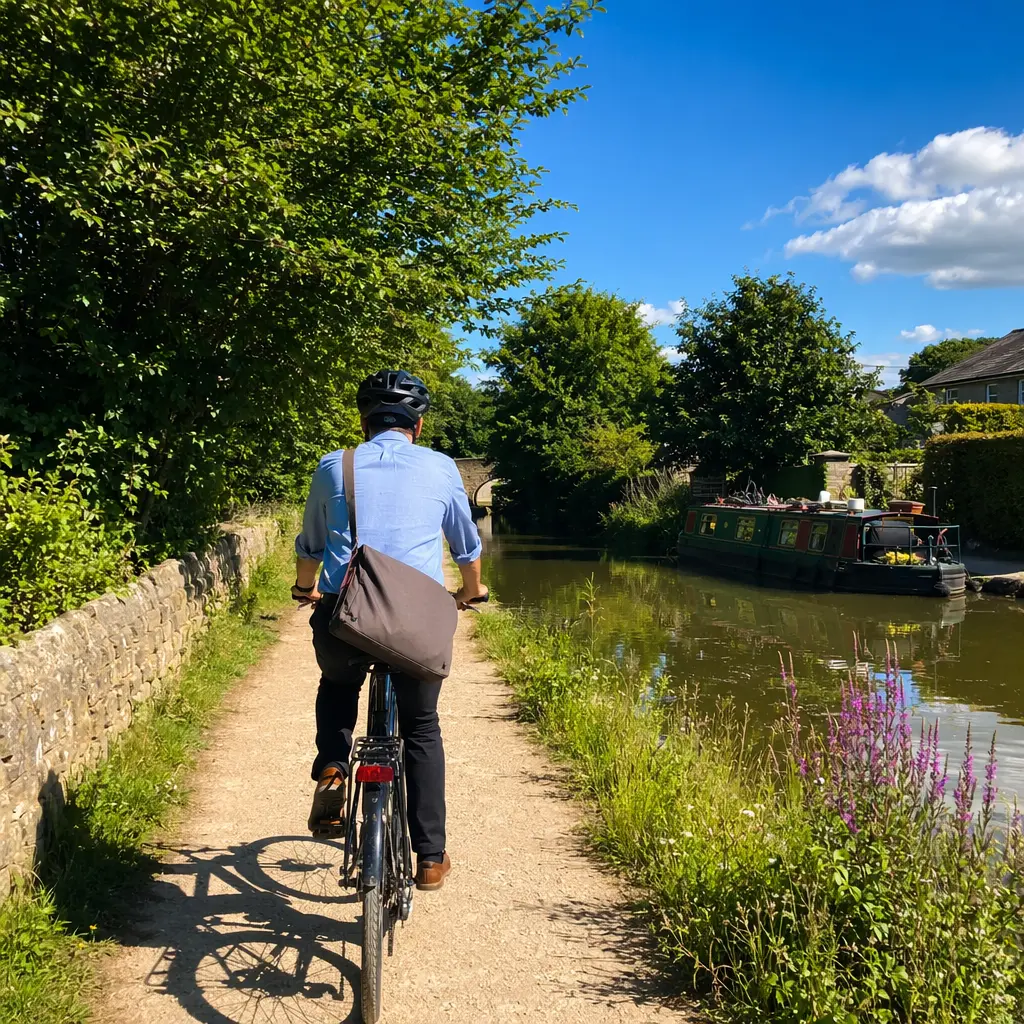
This guide is for UK commuters who want a comfortable, do‑everything bike for daily riding — and are willing to spend up to £800 to reduce aches and pains. At this price, the extra money should make rides easier on wrists, backs and saddles, not just add flashy parts. The challenge is knowing which comfort features genuinely help on real commutes, and which are nice-to-haves that don’t justify the cost.
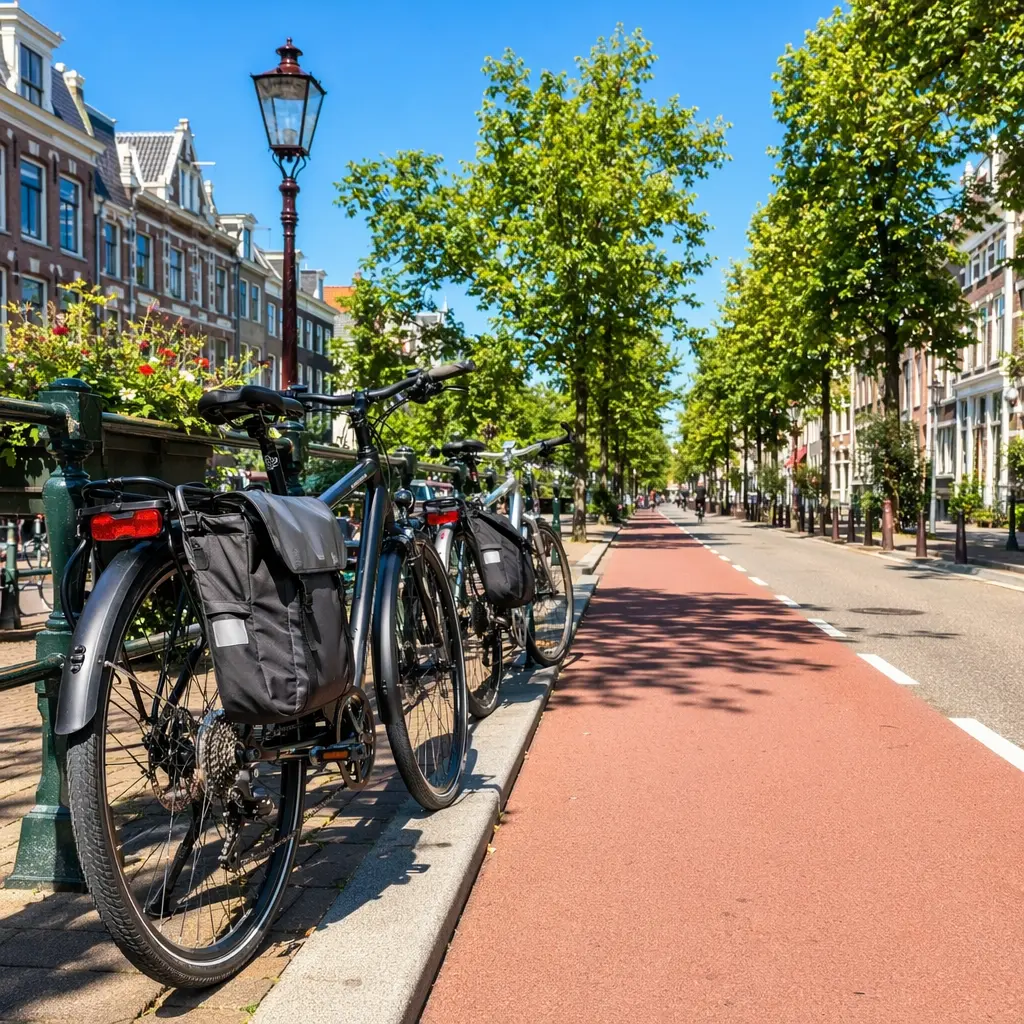
What you actually get at this price
Under £800 is a strong comfort sweet spot for hybrid bikes. Compared with entry-level options, frames are usually better finished, contact points improve, and you start to see components that stay smooth and quiet over high-mileage commuting. You are still paying attention to value, but far fewer corners are cut in ways that affect day-to-day comfort.
Expect sensible, reliable kit rather than racing parts. The focus is on stable handling, upright geometry and durability — all of which reduce fatigue over weeks and months of riding.
- Frame: aluminium frames with comfort-tuned geometry; some include carbon or vibration-damping forks
- Brakes: hydraulic disc brakes are common, offering lighter lever feel and better control in the wet
- Gearing: mid-range 2x or 1x drivetrains with wide enough range for hills without tiny, high-tension gears
- Wheels and tyres: wider tyres (35–45mm) that can run lower pressures for comfort and stability
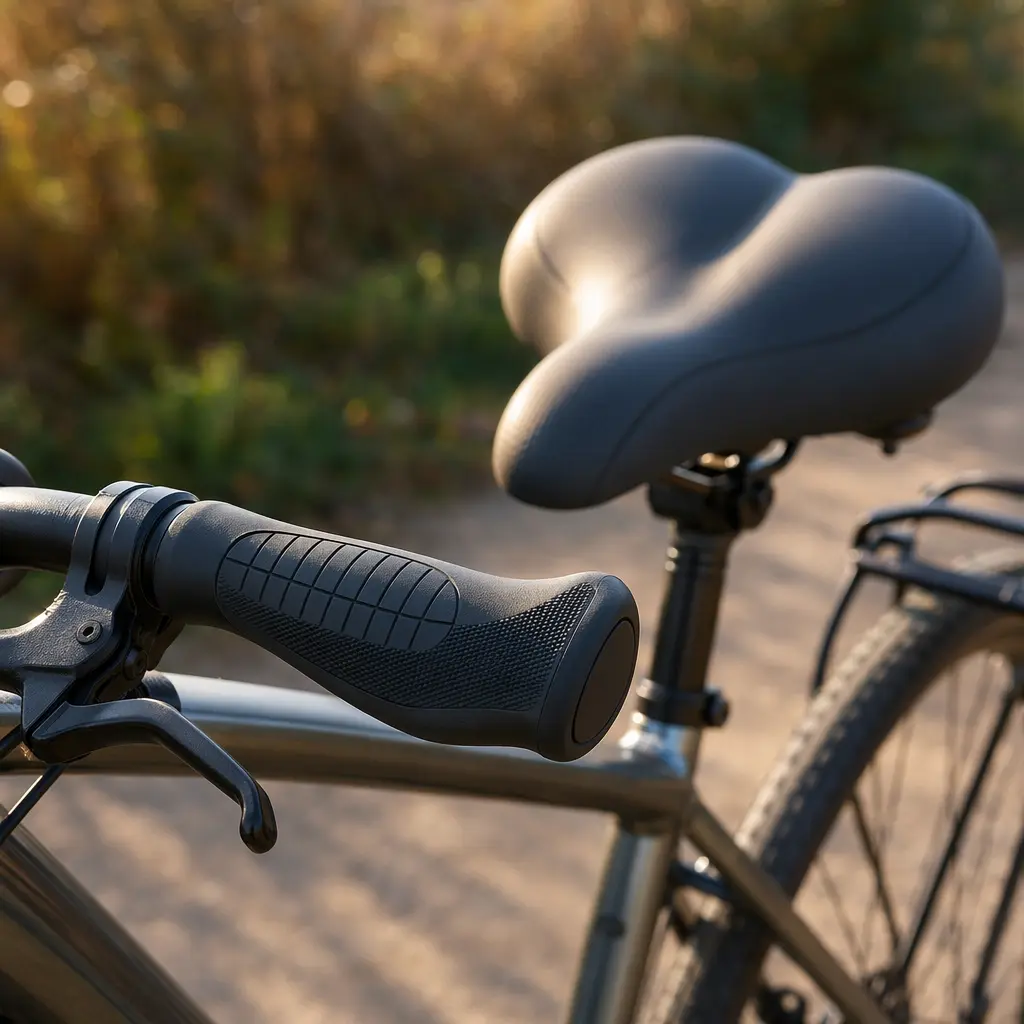
- Contact points: better saddles, ergonomic grips, and adjustable stems on some models
- Extras: rack and mudguard mounts are standard; some bikes include full mudguards or integrated lights
How to choose
Comfort-first commuters should start with riding position. Look for a hybrid that puts the bars higher than the saddle, or at least allows easy adjustment. An upright or semi-upright posture reduces strain on the lower back, neck and wrists, especially in stop-start traffic.
Tyre clearance is just as important. Bikes that accept wider tyres smooth out broken tarmac, dropped kerbs and canal paths far better than narrow, high-pressure rubber. If your commute mixes roads with towpaths or park cut-throughs, this matters more than saving a few grams in weight.
What to look out for
- Suspension forks that add weight but offer limited real-world comfort on tarmac
- Very firm, narrow saddles that prioritise looks over pressure distribution
- Heavy wheelsets that make the bike feel sluggish despite good components elsewhere
- Limited adjustment range at the stem or seatpost, restricting fit options
- Proprietary parts that are harder or more expensive to replace
Worth spending more on
If the bike itself is close to your £800 ceiling, a few targeted upgrades can significantly improve comfort. Tyres are the biggest win: switching to high-quality puncture-resistant tyres with supple casings transforms ride feel without affecting reliability.
A better saddle or ergonomic grips are also worthwhile if the stock options don’t suit your body. These are personal, relatively low-cost changes that can eliminate numbness or pressure far more effectively than expensive components.
Frequently asked questions
Is £800 overkill for a commuting hybrid?
Not if comfort matters. The jump from £500–£600 to £700–£800 often brings better brakes, smoother drivetrains and improved contact points, all of which reduce fatigue on daily rides.
Are suspension forks good for comfort?
On roads and cycle paths, wider tyres at lower pressure usually offer more comfort with less weight and maintenance. Suspension forks make more sense for rough tracks than urban commuting.
What tyre width should comfort commuters look for?
Around 38–45mm is a good target for UK commuting. This width smooths broken surfaces without feeling slow or vague on tarmac.
Is it worth buying used instead?
Used bikes can offer higher specs for the money, but fit and hidden wear matter. For daily commuting, a new bike with warranty and shop support is often the safer choice.
In short, under £800 is enough to buy a genuinely comfortable hybrid commuter — provided the money goes into fit, tyres and sensible components rather than unnecessary extras.
Find these on Amazon
As an Amazon Associate, CheapBikes earns from qualifying purchases.