Best BMX bikes under £280 for learning skills safely
A clear-eyed guide to entry-level BMX bikes under £280, focusing on strength, fit and geometry over flashy branding. What you really get at this price, what to avoid, and how to choose safely.
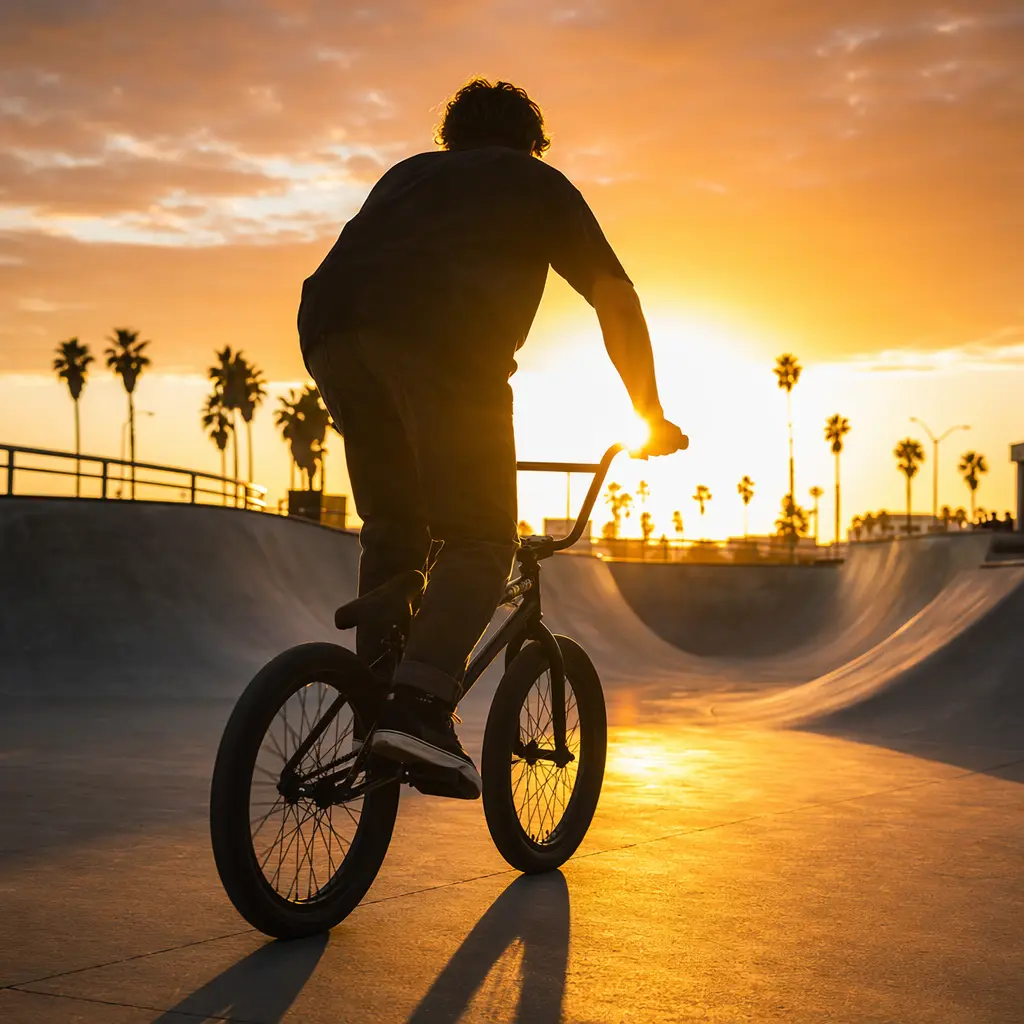
A first BMX is about learning control, balance and confidence — not chasing pro-level park tricks. Under £280, the aim is a bike that’s strong, predictable and safe enough to take repeated knocks while a rider builds basic skills. This guide is for beginners, parents buying for teens, and anyone starting freestyle riding who wants solid fundamentals without paying for hype.
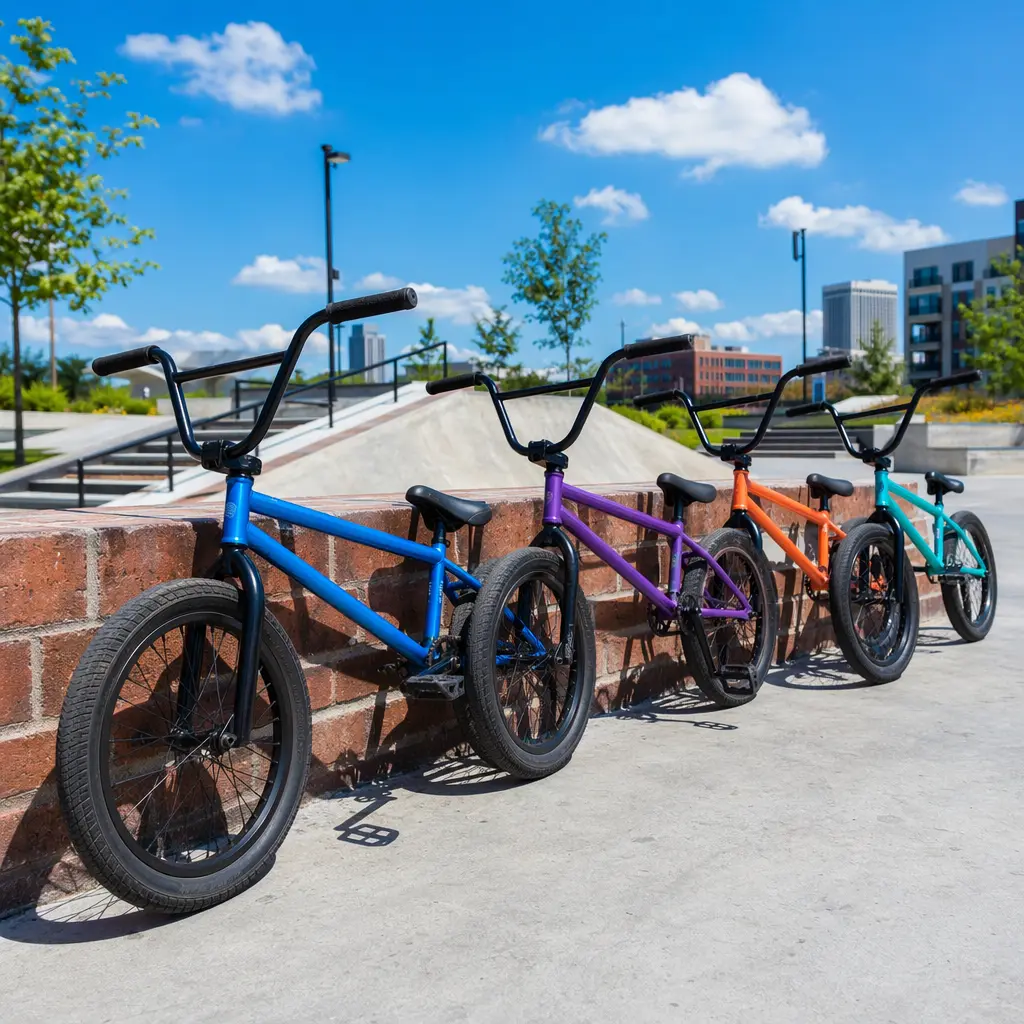
What you actually get at this price
At under £280, BMX bikes are firmly in the entry-level category. That doesn’t mean unsafe, but it does mean simpler materials and heavier parts. The priority here is durability and stable handling rather than low weight or advanced trick compatibility.
Most bikes in this bracket stick to proven designs that can cope with drops, missed landings and everyday abuse from kerbs, ramps and car parks.
- Frame: high-tensile steel rather than chromoly; heavier, but tough and affordable
- Fork and bars: matching high-tensile steel with basic welding
- Drivetrain: single-speed with a simple 25/9 or similar ratio, loose-ball bottom bracket common
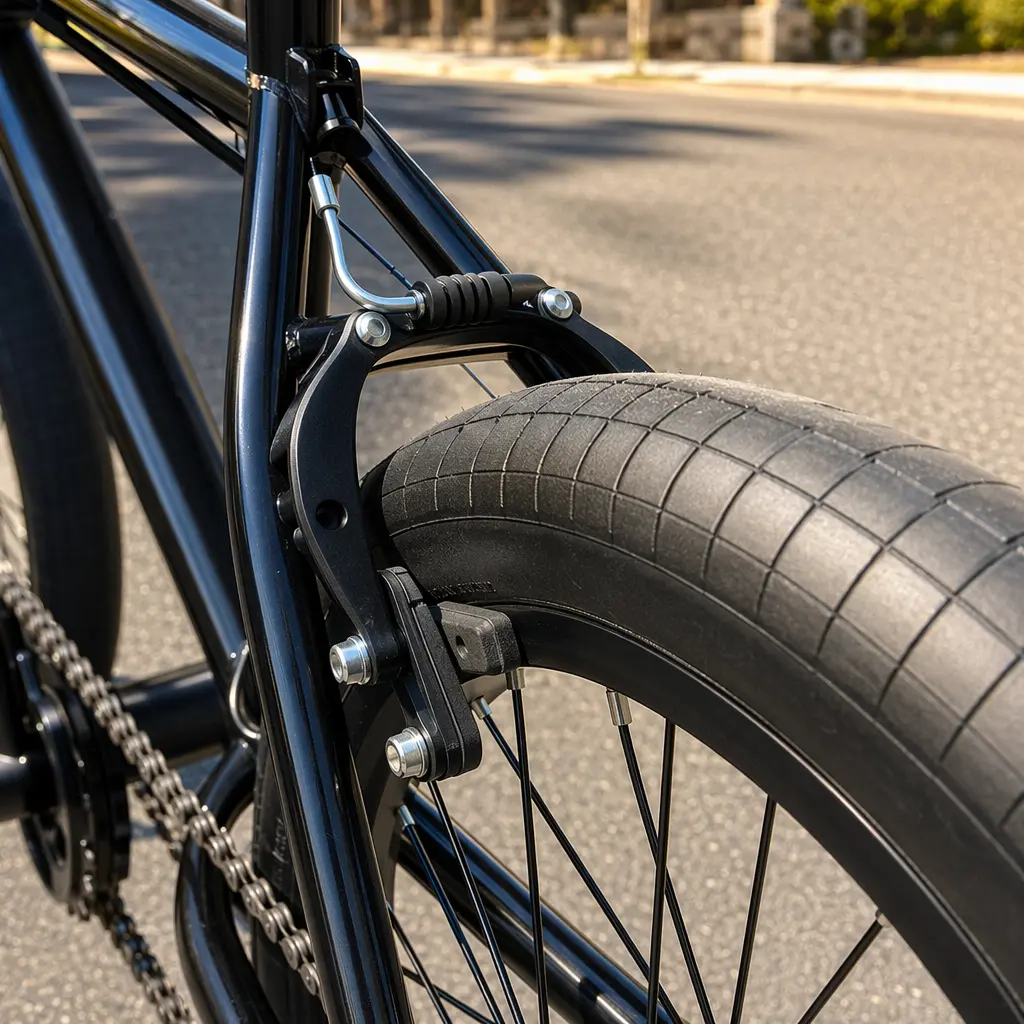
- Brakes: rear U-brake only, mechanical, with basic levers and cables
- Wheels: 20-inch rims, often single-wall; heavy but adequate for learning
- Extras: plastic pedals and grips included; pegs rarely supplied at this price
How to choose
Geometry matters more than graphics. A beginner-friendly BMX should feel stable at low speeds and forgiving when mistakes happen. Look for a top tube length that suits the rider’s height rather than assuming one size fits all — many entry-level bikes are aimed at riders between roughly 4’8” and 5’6”, but this varies.
Think about where the bike will be ridden. For general skills — manuals, small hops, pump tracks and mellow skateparks — a neutral geometry with a slightly longer rear end is easier to control. Ultra-short, twitchy frames are harder to manage and make sense only once skills improve.
What to look out for
- Very thin single-wall rims that dent easily
- Loose, flexy handlebars with narrow width
- Poorly adjusted brakes out of the box
- Non-standard parts that are hard to replace later
- Excessively heavy bikes that sap confidence when learning hops
Worth spending more on
Even with a tight bike budget, a few small upgrades can transform how a BMX feels. Tyres are the biggest one: better rubber improves grip and reduces the harshness of landings. Grips are another cheap win, giving more control and less hand fatigue.
Safety kit matters too. A properly fitting helmet and a decent lock often get overlooked, but they’re essential parts of the real-world cost of riding — and usually a better use of extra cash than flashy frame paint.
Frequently asked questions
Is a BMX under £280 safe for skateparks?
Yes, for beginners and lighter riders, as long as the bike is properly assembled and maintained. These bikes are designed for basic park use, not big drops or advanced tricks.
Should beginners worry about weight?
Weight matters less than strength at first. Heavier bikes can feel harder to lift, but they’re often tougher and more forgiving while learning fundamentals.
Are pegs necessary for learning?
No. Pegs are useful later for grinding, but they add weight and can get in the way when learning balance and bike control.
Is used better than new at this price?
A good used BMX can offer better materials for the money, but only if it’s in sound condition. For parents or first-time buyers, new bikes are simpler and come with warranty backup.
In short, the best BMX under £280 is the one that fits well, feels solid, and encourages regular riding — skills grow faster on a bike that’s predictable, durable and confidence-inspiring.
Find these on Amazon
As an Amazon Associate, CheapBikes earns from qualifying purchases.