Best bikes under £250 for short, flat UK journeys
An honest guide to ultra‑budget bikes under £250 for short, flat UK trips. What you really get at this price, what’s compromised, and how to choose a bike that’s safe and serviceable.
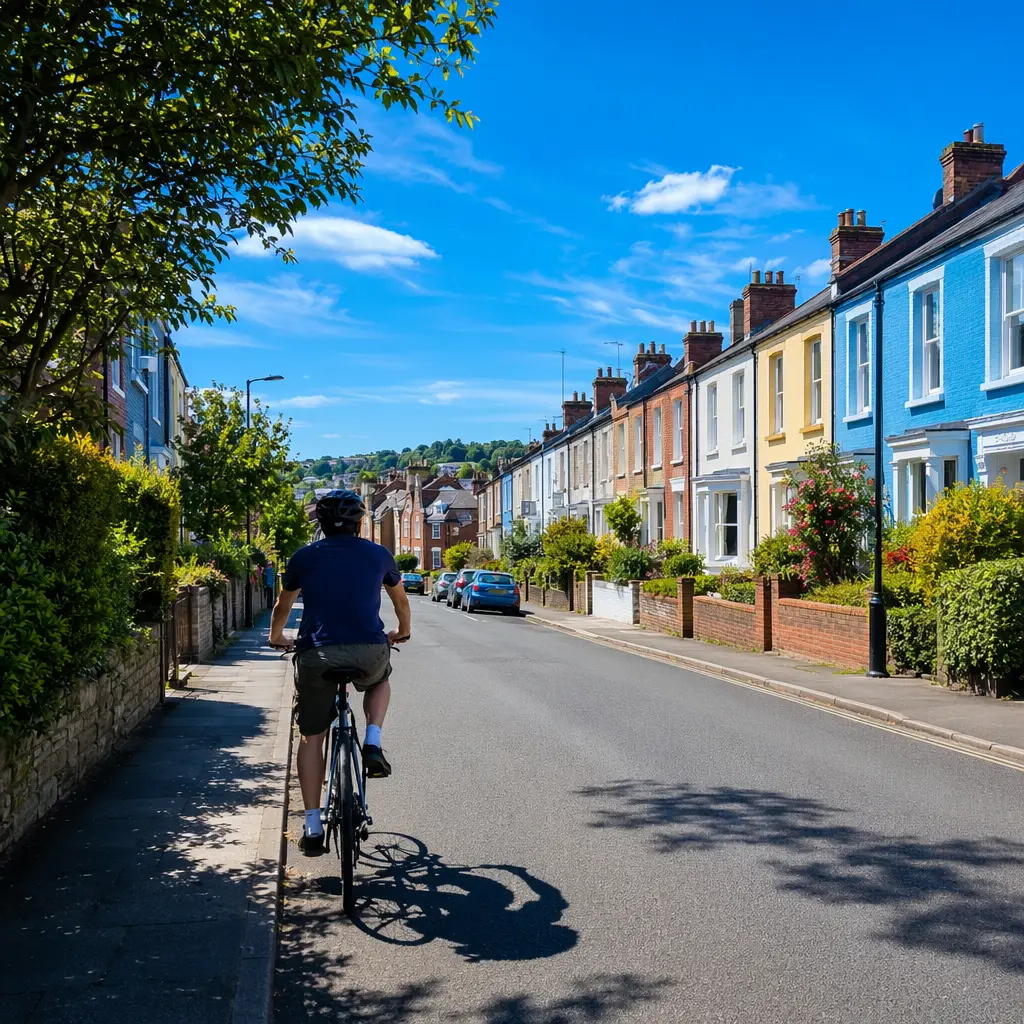
Bikes under £250 exist to solve a very specific problem: getting from A to B over short, flat distances without walking or using the car. Think local errands, a couple of miles to work, or riding to the station. At this price, expectations need to be realistic. You are buying basic transport, not performance, polish or long‑term durability. Choose carefully and it can still be a perfectly usable tool.
What you actually get at this price
Under £250, most bikes are built to a strict cost target. The focus is on meeting safety standards and keeping things simple rather than saving weight or adding refinement. For flat journeys of a few miles, that can be enough — but only if you know what’s normal at this level.
Expect bikes sold as hybrids, city bikes or basic mountain‑bike‑style frames with road‑friendly tyres. Assembly quality varies, and some adjustment after purchase is almost always needed.
- Frame: heavy steel or entry‑level aluminium, prioritising strength over weight
- Gears: 6–7 speed rear gears, often with a basic twist shifter
- Brakes: rim brakes or entry‑level mechanical disc brakes
- Wheels and tyres: strong but heavy wheels with puncture‑prone budget tyres
- Finishing kit: basic saddle, steel seatpost, wide flat handlebars
- Extras: sometimes mudguards or a kickstand, rarely lights or a rack
How to choose
For short, flat journeys, simplicity is your friend. Fewer gears mean fewer parts to go wrong, and an upright riding position keeps things comfortable at low speeds. A hybrid or city bike shape is usually easier to live with than a cheap mountain bike pretending to be something it isn’t.
Fit matters more than brand names at this level. Make sure the frame size roughly matches your height, you can stand over the top tube, and the saddle and bars can be adjusted without hitting their limits. If the bike feels awkward in the first minute, it won’t improve over time.
What to look out for
- Very heavy weight, especially noticeable when carrying the bike up steps
- Rough gear changes under load, even when correctly adjusted
- Budget tyres that puncture easily on broken urban roads
- Brake levers and saddles made from hard, uncomfortable plastics
- Limited or missing mounts for racks and panniers
- Factory assembly that may need checking by a bike shop
Worth spending more on
At this price point, small upgrades can make a big difference to comfort and reliability. You don’t need to replace major components, but a few well‑chosen accessories can improve the day‑to‑day experience far more than paying extra for more gears.
Puncture‑resistant tyres reduce frustration immediately. A better saddle can turn an unpleasant ride into a tolerable one. And a decent lock is essential — cheap bikes are still attractive to thieves.
Frequently asked questions
Are bikes under £250 safe?
Yes, if bought from a reputable retailer and set up correctly. They meet UK safety standards, but quality control can be inconsistent. Checking bolts, brakes and gears before riding is essential.
Is a cheap bike good for daily commuting?
For short, flat trips a few times a week, yes. For longer distances or hilly routes, weight and basic components quickly become tiring and less reliable.
Should I buy used instead?
A well‑maintained used bike can offer better components for the money, but condition matters more than age. If you’re unsure what to look for, new may be the safer option.
Will it last more than a year?
With basic maintenance and gentle use, many will. Expect faster wear on tyres, chain and brake pads compared to pricier bikes.
In short, a bike under £250 can work well for short, flat journeys if expectations are realistic — focus on fit, safety and simplicity, and it can be a useful everyday tool rather than a false economy.
Find these on Amazon
As an Amazon Associate, CheapBikes earns from qualifying purchases.