£600 vs £1,200 road bikes: where the ride quality improves
A clear-eyed comparison of £600 and £1,200 road bikes, focusing on comfort, smoothness and confidence. See how frames, wheels and components change the ride more than outright speed.
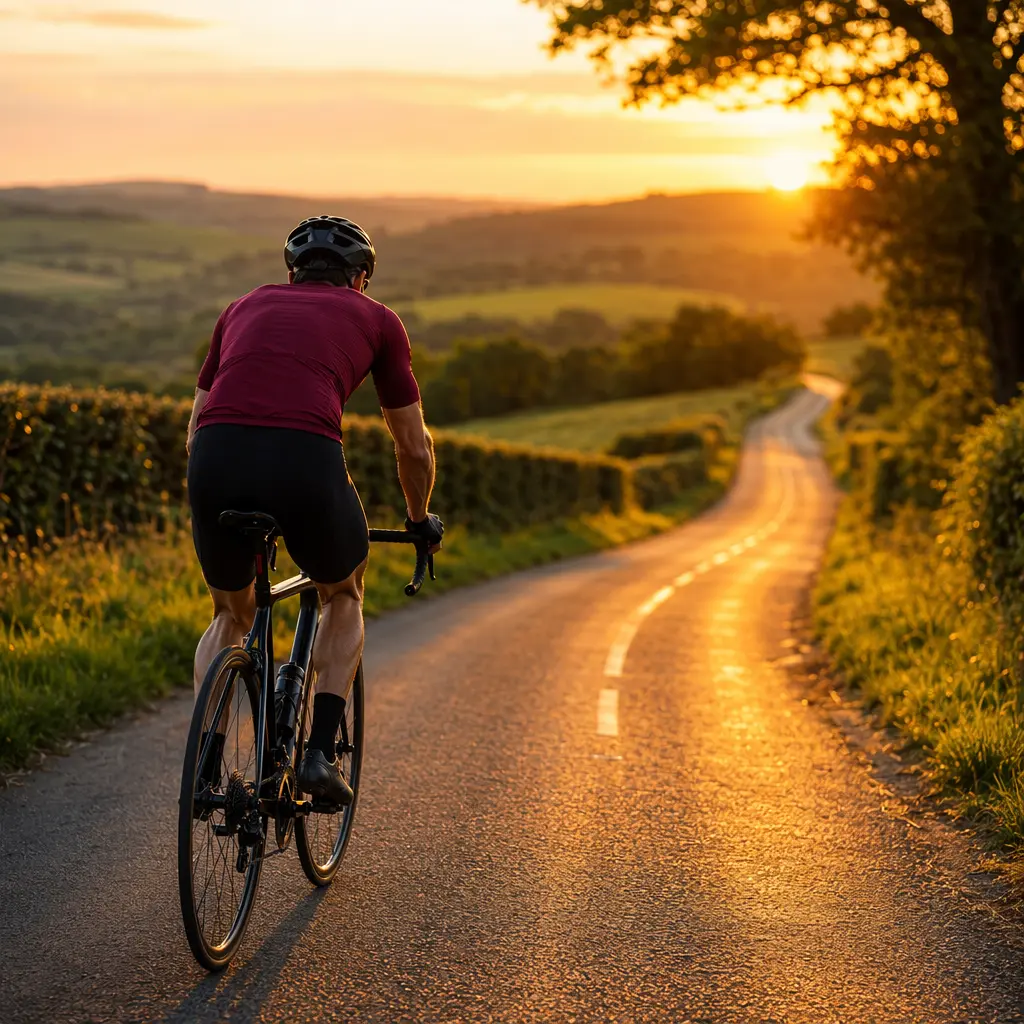
The gap between a £600 and a £1,200 road bike is one of the most common upgrade crossroads for UK cyclists. On paper, both promise speed and efficiency. On the road, however, the difference is less about raw pace and more about how the bike feels over an hour, a commute, or a long weekend ride. This guide looks at where that extra £600 actually goes — and how it changes comfort, control and confidence rather than just headline performance.
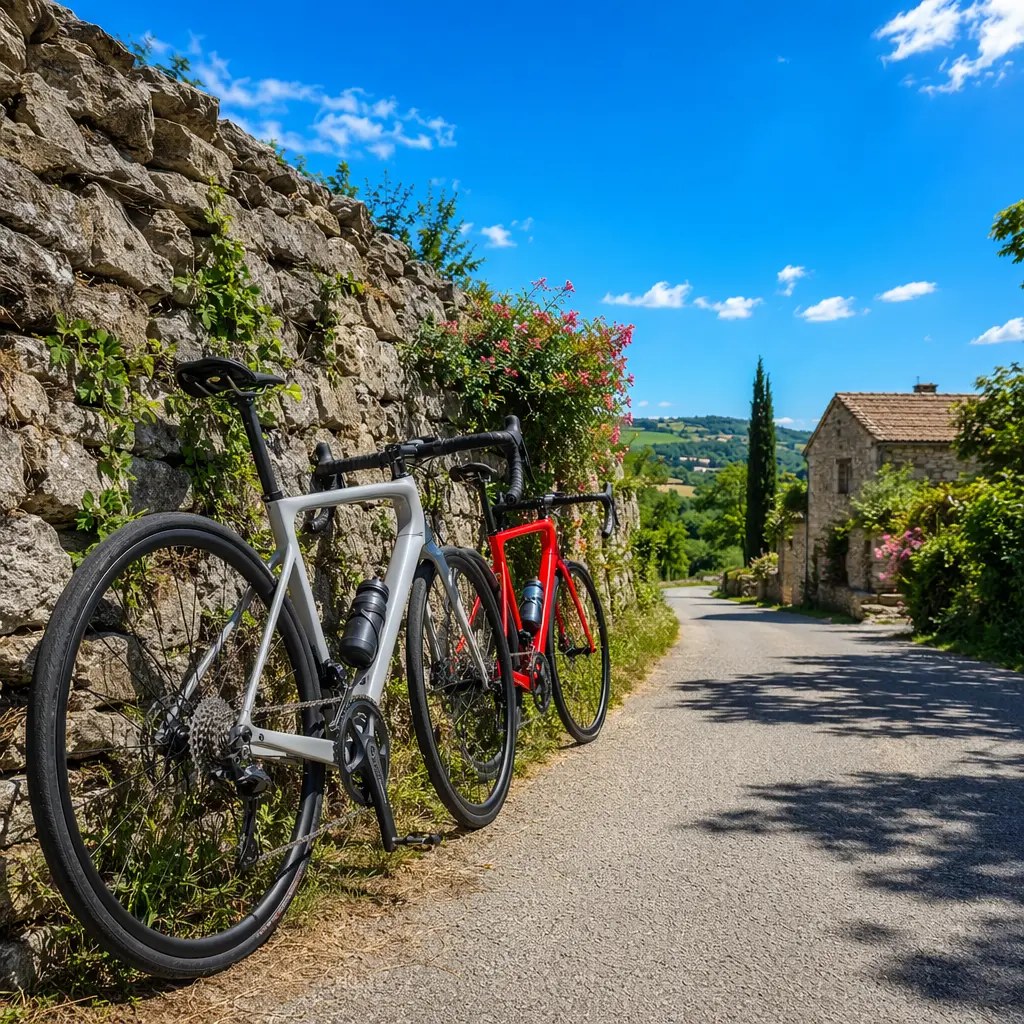
What you actually get at this price
At around £600, road bikes are built to hit a price point. They are perfectly capable machines, but the focus is durability and basic performance rather than refinement. Frames are usually aluminium with fairly chunky tubing, designed to be stiff and strong but not especially forgiving on rough tarmac.
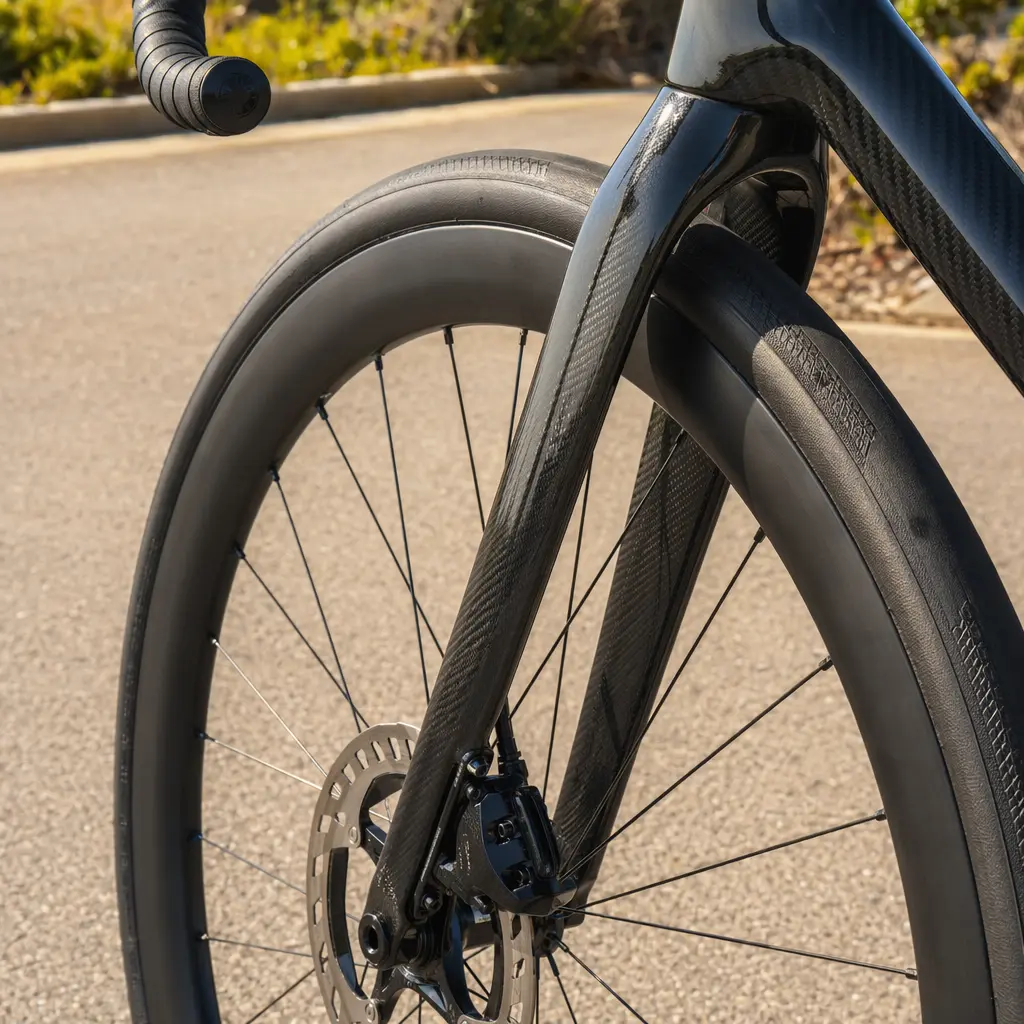
Move up to roughly £1,200 and the priorities start to shift. You still get aluminium in most cases, but with more shaping and better finishing. Some bikes introduce carbon forks or improved carbon layups, which makes a noticeable difference to vibration and front-end comfort.
- Frame: aluminium at both levels; higher-priced frames use lighter alloys and more refined tube shaping
- Fork: basic carbon or alloy at £600; lighter, better-damped carbon at £1,200
- Groupset: entry-level mechanical shifting vs mid-tier with lighter action and better ergonomics
- Brakes: rim or basic cable discs vs more powerful, better-modulated disc brakes
- Wheels: heavy, durable wheels vs lighter rims with better bearings
- Tyres: stiff, puncture-focused tyres vs more supple rubber with better grip
How to choose
Choosing between these two price points comes down to how sensitive you are to road buzz and how long you typically ride. For short commutes or occasional fitness rides, a £600 bike will feel fast enough and perfectly stable. Over longer distances, however, small comfort improvements add up.
Geometry is also key. Many £600 bikes use slightly racier positions to signal speed, which can feel harsh if flexibility is limited. £1,200 bikes often balance this with endurance-focused geometry, allowing a more relaxed posture without sacrificing efficiency.
What to look out for
- Very stiff frames that transmit vibration through the saddle and bars
- Heavy wheels that blunt acceleration and feel harsh on poor road surfaces
- Basic brake systems with limited power in wet UK conditions
- Narrow tyre clearances that restrict comfort-focused upgrades
- Limited adjustment on stock saddles and handlebars
Worth spending more on
If stretching to £1,200 feels steep, it helps to know where the gains really come from. Wheels and tyres are the biggest contributors to ride quality. Lighter wheels spin up more easily and track the road better, while higher-quality tyres reduce vibration and improve grip.
Comfort contact points also matter. Saddles, bar tape and even seatposts are often basic on £600 bikes. Upgrading these later can narrow the comfort gap, though it rarely matches the overall polish of a higher-tier build.
Frequently asked questions
Is a £1,200 road bike faster than a £600 one?
In pure speed terms, the difference is small. Aerodynamics and rider fitness matter far more. The real gain is consistency — it is easier to maintain speed for longer because the bike is more comfortable and confidence-inspiring.
Does carbon automatically mean a smoother ride?
Not automatically. Carbon forks and frames can reduce vibration, but design matters more than material alone. A well-designed aluminium frame with good tyres can feel smoother than poor-quality carbon.
Can a £600 bike be upgraded to feel similar?
Upgrades like tyres, saddle and bar tape help a lot. Wheels make the biggest difference but are expensive, and at that point the total spend often approaches the cost of a better bike to begin with.
Which is better for UK roads?
For rough tarmac, potholes and wet weather, the £1,200 level usually wins thanks to better braking, wider tyre clearance and improved vibration damping.
In short, £600 road bikes deliver speed on a budget, while £1,200 buys comfort, control and a calmer ride over imperfect roads. If longer rides and rougher surfaces are on the agenda, that extra spend quickly pays back every mile.
Find these on Amazon
As an Amazon Associate, CheapBikes earns from qualifying purchases.