£600 vs £1,000 mountain bikes: how much suspension do you buy?
Is a £1,000 mountain bike really that much better than a £600 one? This guide breaks down suspension quality, trail control and durability to show where the extra money actually goes — and when it matters on UK trails.
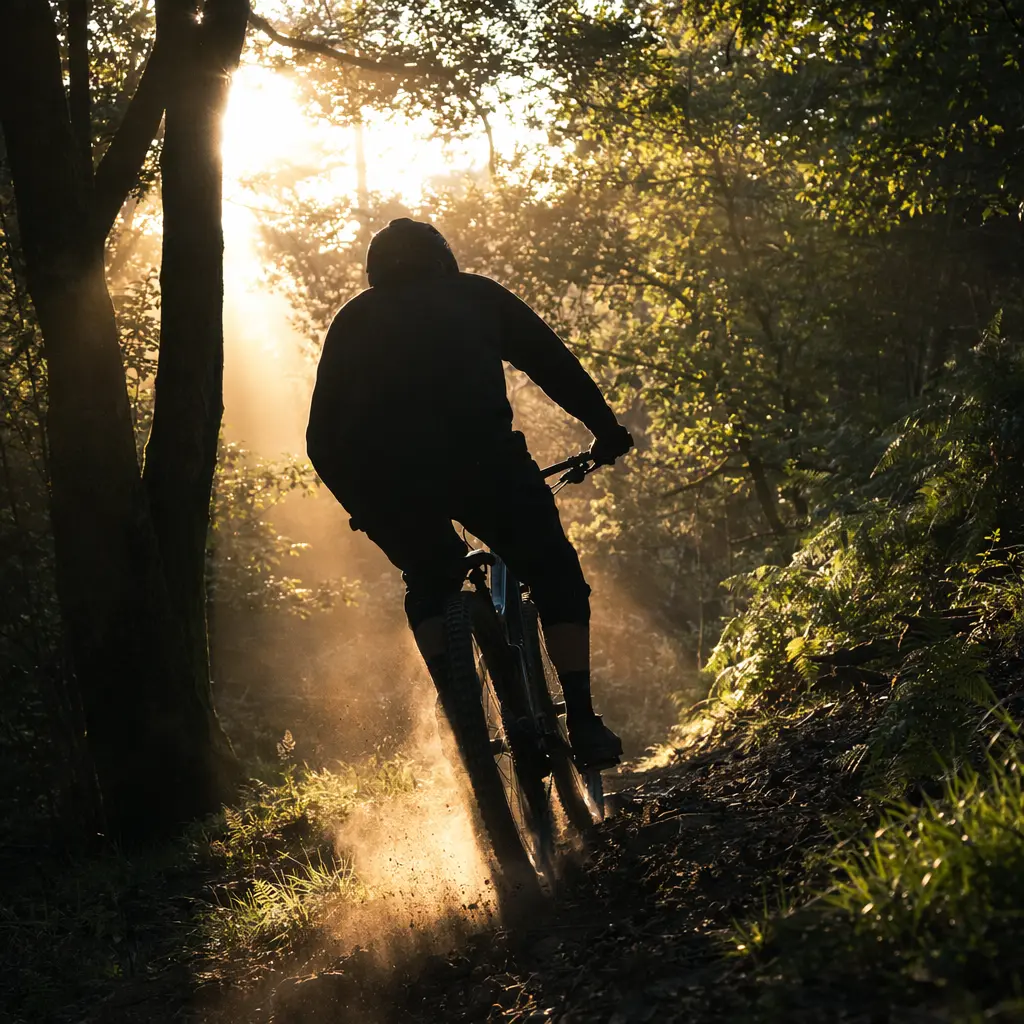
Mountain bikes around £600 and £1,000 often look similar on paper: front suspension, disc brakes, wide tyres and trail-ready geometry. The big question is how much better the ride actually feels — especially when UK trails turn rooty, rocky and wet. This comparison explains where suspension quality starts to separate budget bikes from mid-range ones, and who genuinely benefits from spending more.
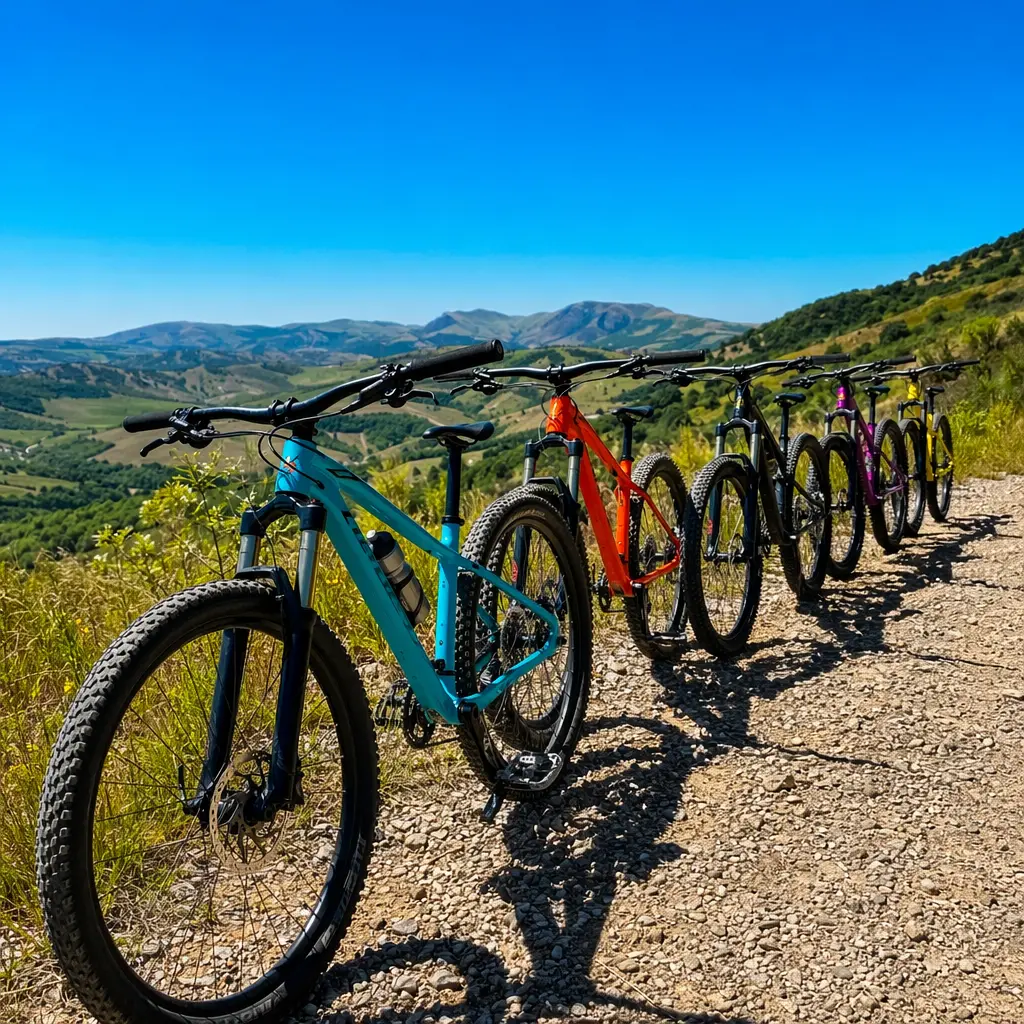
What you actually get at this price
At £600, most mountain bikes are designed to be accessible and tough rather than refined. Suspension forks are usually coil-sprung, built for durability and low cost. They take the sting out of bumps but struggle to track the ground accurately once trails get rough or fast.
Move up to around £1,000 and suspension quality is the single biggest upgrade. Air-sprung forks become common, offering lighter weight, better small-bump sensitivity and adjustability to rider weight — all of which translate into more control and less fatigue.
- Forks: £600 bikes use basic coil forks with limited damping; £1,000 bikes typically get air forks with rebound adjustment
- Rear suspension: rare at £600; entry-level full suspension appears closer to £1,000 but still with compromises
- Frame: aluminium on both, but £1,000 frames tend to be lighter with cleaner welds
- Brakes: mechanical or basic hydraulic at £600; stronger, more consistent hydraulics at £1,000
- Gearing: wide-range drivetrains on both, but smoother shifting and tougher components at higher budgets
- Extras: dropper posts are uncommon at £600 but start appearing near £1,000
How to choose
Choosing between these price points depends less on ambition and more on where and how often the bike will be ridden. Canal towpaths, forest tracks and gentle trail centres rarely overwhelm a £600 bike’s suspension. In these settings, tyres and rider technique matter more than fork sophistication.
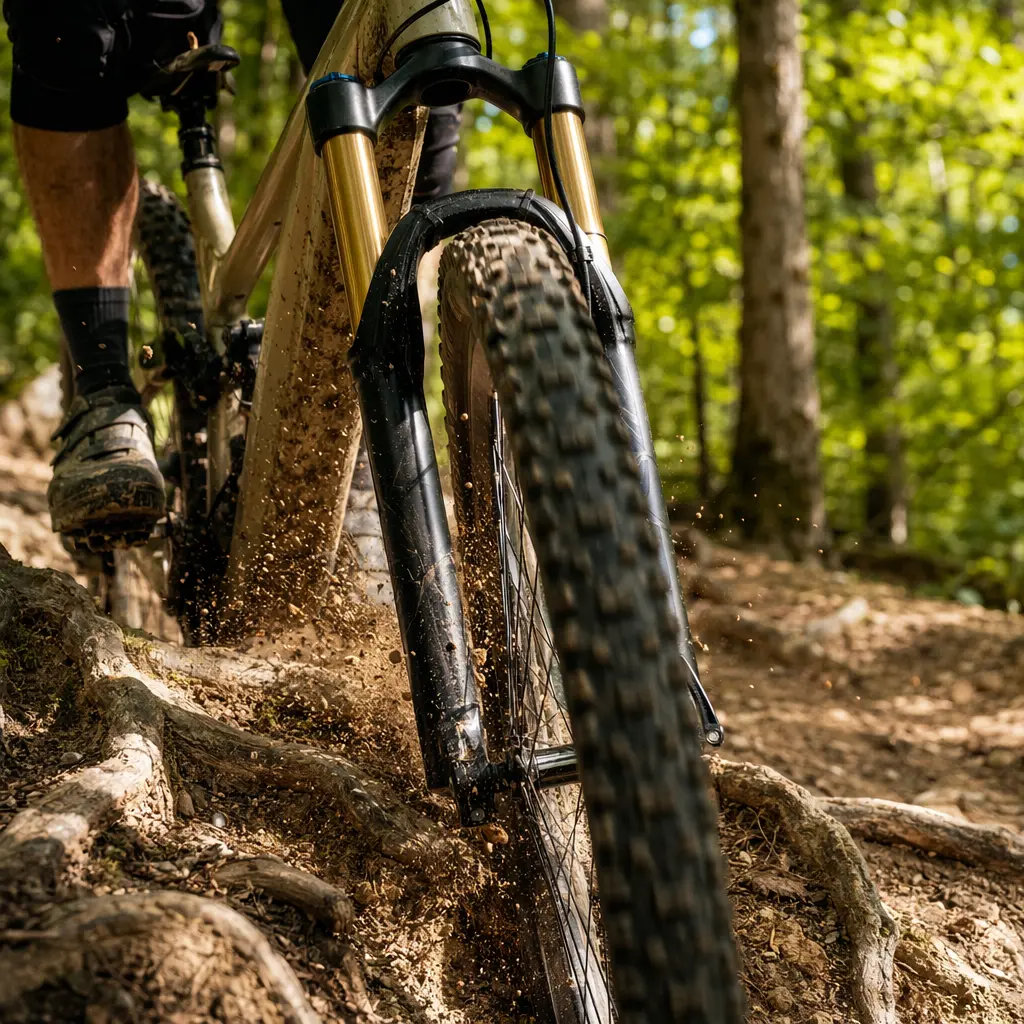
Regular riding on trail centres, natural singletrack or root-heavy woodland is where £1,000 bikes earn their keep. Better damping keeps the front wheel planted, improves braking control and reduces arm fatigue on longer rides. Geometry also tends to be more stable, encouraging confidence as speeds increase.
What to look out for
- Very heavy coil forks that add weight without meaningful performance
- No rebound adjustment, making the fork feel bouncy or harsh
- Entry-level rear suspension designs that pedal poorly
- Budget wheels that flex noticeably under cornering loads
- Limited upgrade paths due to straight steerer tubes or narrow hubs
Worth spending more on
If stretching the budget isn’t realistic, a £600 bike can still be improved where it counts. Tyres are the standout upgrade: better rubber transforms grip and confidence far more than a marginal fork upgrade. A wider bar and shorter stem can also sharpen handling cheaply.
For £1,000 buyers, prioritising suspension setup over headline features pays off. An adjustable air fork correctly set for rider weight will outperform a heavier fork with more travel but poorer damping. Comfort upgrades like grips and saddles also help riders stay relaxed on longer trail days.
Frequently asked questions
Is rear suspension worth it at £1,000?
Only just. Entry-level full suspension bikes exist at this price, but compromises in weight, components and pedalling efficiency are common. Many riders are better served by a hardtail with a higher-quality fork.
Can suspension be upgraded later?
Yes, but it can be expensive. Replacing a basic fork with a quality air fork often costs several hundred pounds, making it poor value unless the rest of the bike is already strong.
Do heavier riders notice the difference more?
Usually, yes. Coil forks are built to a generic spring rate, while air forks can be tuned to rider weight. Heavier riders often find £1,000 bikes feel more controlled and comfortable.
Is used a better option?
A well-maintained used bike around £1,000 can outperform a new £600 bike, especially in suspension quality. Buyers should factor in servicing costs and check for play or leaks.
In short, £600 buys a capable entry point, but £1,000 buys control, comfort and confidence. Riders tackling real UK trails regularly will feel the difference every ride.
Find these on Amazon
As an Amazon Associate, CheapBikes earns from qualifying purchases.