£500 vs £900 Hybrid Bikes on Rough City Streets
Moving from a £500 hybrid bike to around £900 brings wider tyre clearance, stronger brakes and better comfort on rough urban roads. Here’s what actually changes and what still matters most.

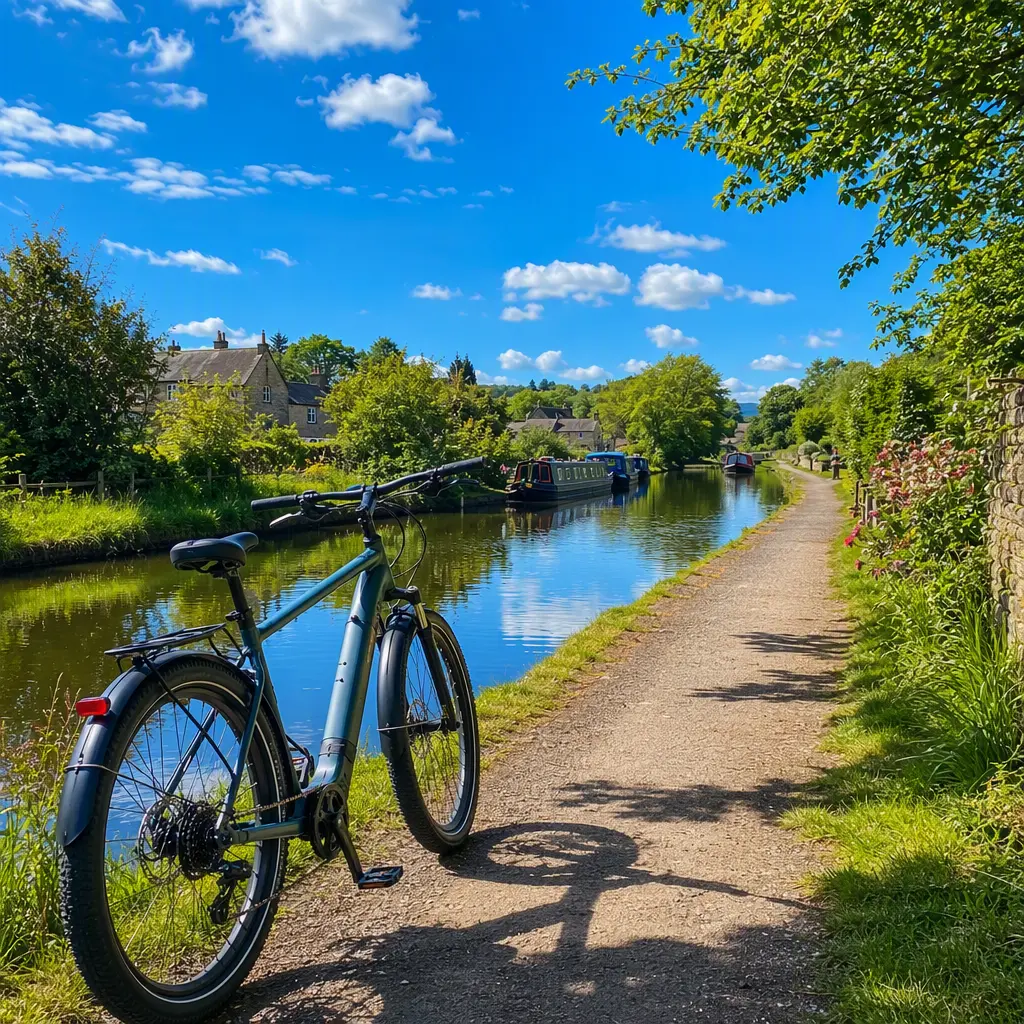
- £500 hybrids commonly use aluminium frames, entry-level drivetrains and 35-40mm tyres
- Mechanical disc brakes are still common under £600, though some bikes include basic hydraulic discs
- £900 hybrids more often include higher-quality hydraulic brakes and smoother shifting
- Tyre clearance typically increases to around 40-50mm at higher budgets for extra comfort
- Wheelsets and hubs are usually more durable and require less frequent adjustment
- Mudguard and pannier rack mounts remain common at both price points
- Integrated lights and kickstands may appear more often on commuter-focused models near £900
- Heavy wheels can make cheaper hybrids feel sluggish when accelerating away from junctions
- Basic mechanical disc brakes may need more regular adjustment in wet conditions
- Very narrow tyres can feel harsh on broken city streets
- Cheaper contact points like grips and saddles are often uncomfortable on longer rides
- Some lower-cost hybrids skip rack or mudguard mounts entirely
- Entry-level suspension forks can add weight without improving comfort much
- Budget tyres may puncture more frequently on debris-covered roads
Note
Find these on Amazon
As an Amazon Associate, CheapBikes earns from qualifying purchases.
hybrid bikes
commuting
urban cycling
bike-buying
cycling-uk