£500 vs £1,200 folding bikes: what really improves?
Comparing £500 and £1,200 folding bikes for daily carrying: where weight drops, folds shrink, hinges improve—and when the upgrade genuinely pays off for commuters.
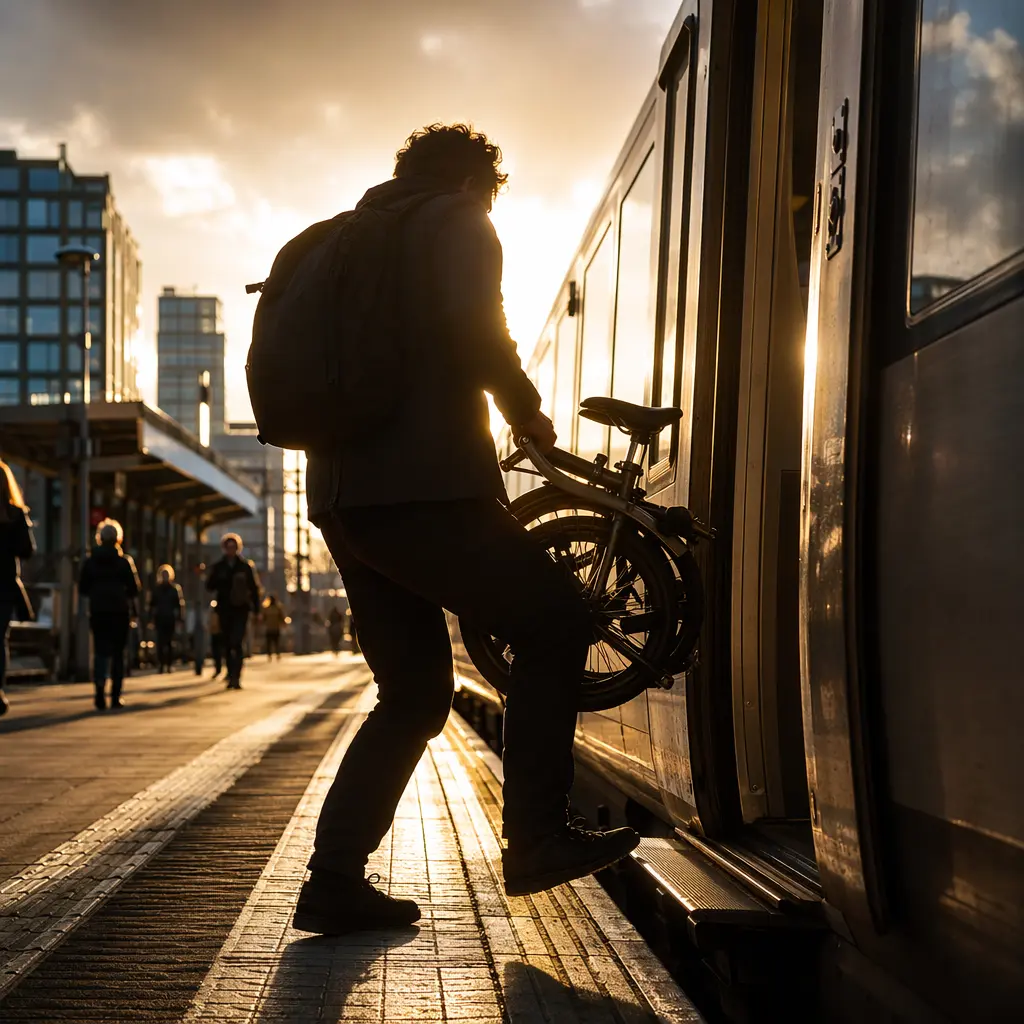
Folding bikes promise freedom: easy train hops, tidy hallway storage and fewer worries about theft. But prices stretch from around £500 to well over £1,200. For riders who carry their bike daily—up stairs, through ticket barriers, onto buses—the question is simple: what actually gets better when you spend more, and when does the upgrade start to feel justified?
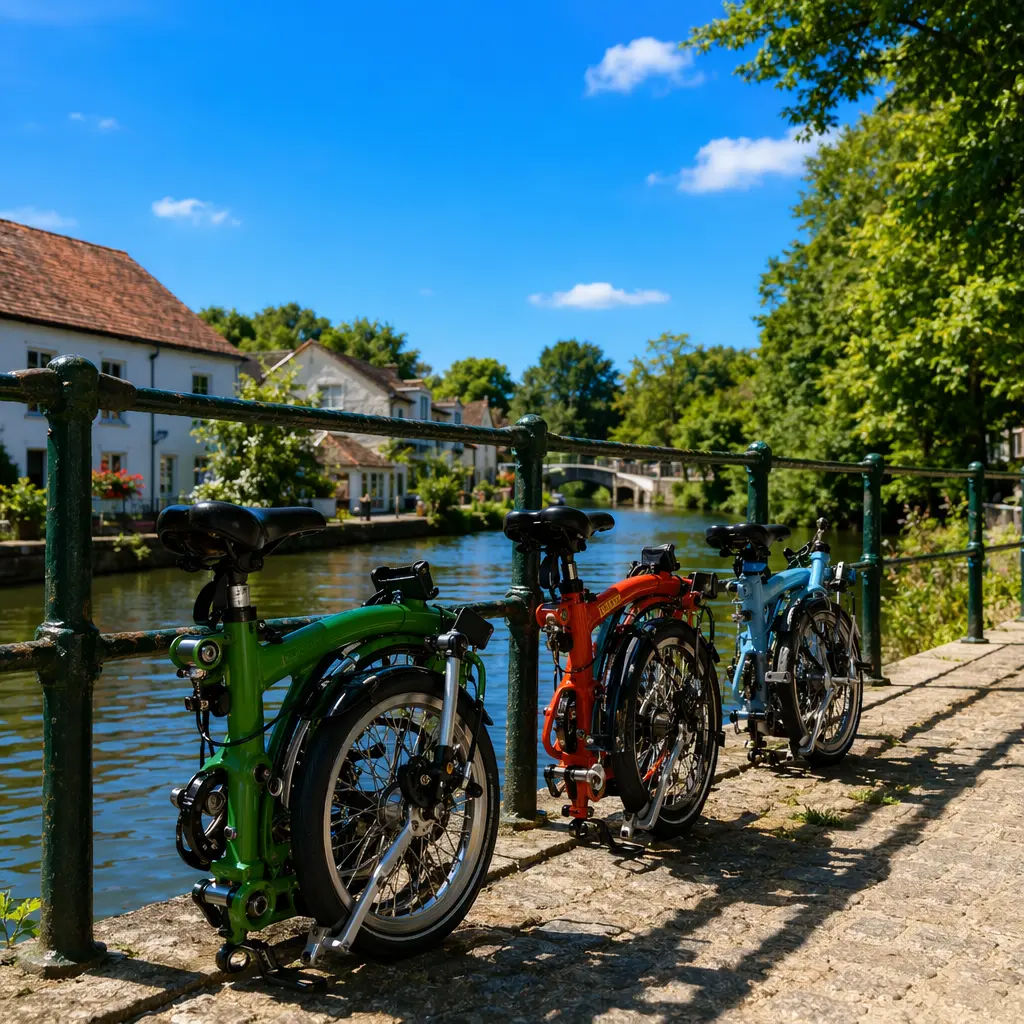
What you actually get at this price
At around £500, folding bikes are built to hit a price, not to impress on the scales. Frames are usually steel or basic aluminium, components are functional rather than refined, and the fold is designed to be simple and robust rather than ultra-compact.
Move towards £1,200 and the focus shifts. Weight comes down, folded size tightens, and the parts that matter for carrying—hinges, clamps and latches—feel more precise and confidence-inspiring. You are paying less for speed on the road and more for convenience off it.
- Frame material: steel or basic aluminium at £500; lighter aluminium or butted tubing nearer £1,200
- Weight: typically 12–14kg at £500; closer to 10–11kg at £1,200
- Brakes: basic rim brakes at both levels, but better calipers and levers higher up
- Gearing: simple 6–8 speed setups vs wider-range or internally geared hubs
- Extras: mudguards often included; racks and carry bags more common at higher prices
How to choose
Daily carrying changes priorities. A bike that rides well but is awkward to lift soon becomes a chore. At £500, most folders are fine for occasional train use or car-boot transport. If you are carrying up multiple flights of stairs or holding it for several minutes, every kilo and centimetre matters.
Folded shape is as important as weight. Pricier bikes tend to fold into neater, more balanced packages that sit against your leg or roll on small wheels. Cheaper models can feel ungainly, with protruding pedals or bars that catch on coats and door frames.
What to look out for
- Heavy frames that tip the balance past what is comfortable to carry
- Loose or flexy hinges that creak under load
- Exposed chains and oily parts that mark clothes
- Large folded footprints that struggle in busy trains
- Limited adjustment for saddle height or handlebar reach
Worth spending more on
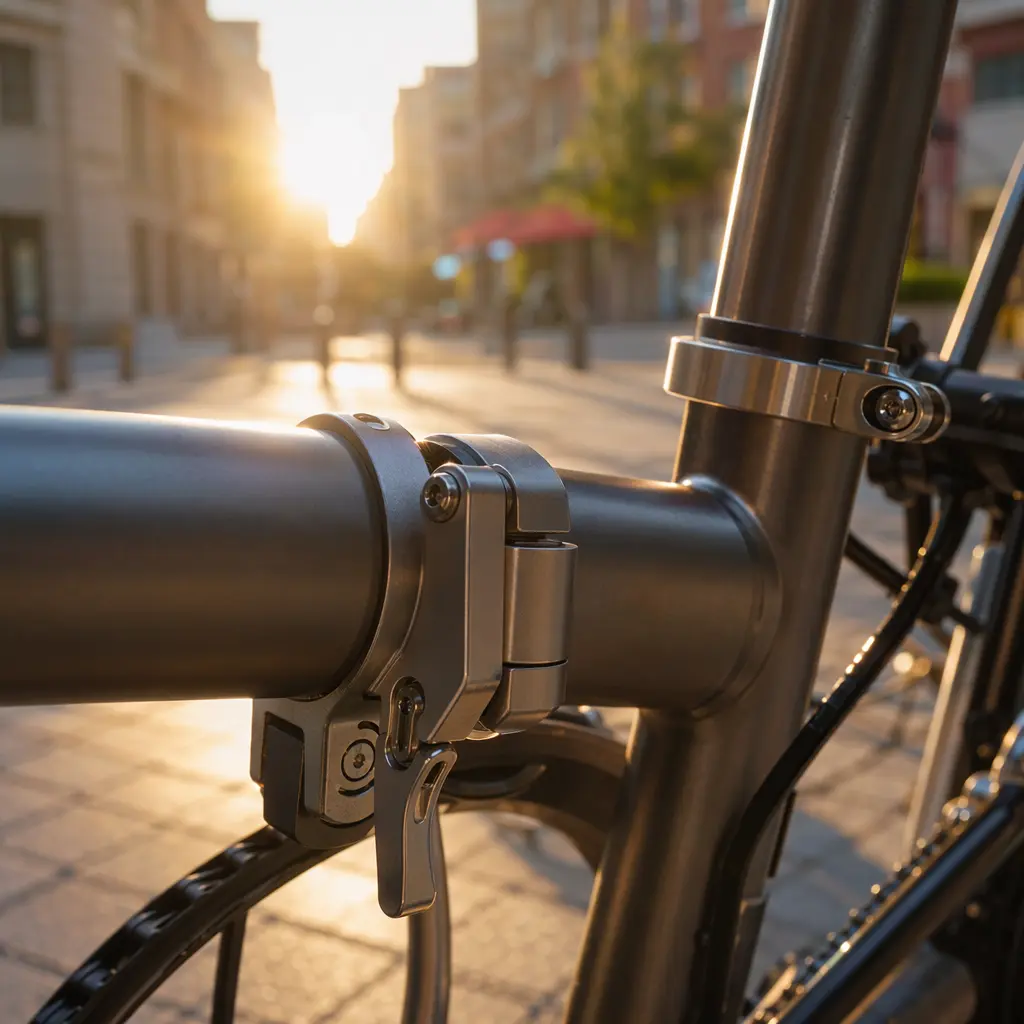
If the budget stretches, hinge quality is the biggest win. Better clamps close with a reassuring snap and stay tight over years of use. This directly affects how solid the bike feels when carried and ridden.
Small details also add up: integrated carry handles, magnetic catches that keep the bike folded, and wheels that roll when folded rather than needing to be lifted entirely. These features rarely appear on £500 bikes but can transform daily routines.
Frequently asked questions
Is a lighter folding bike always better?
Not always. Balance and folded shape matter as much as weight. A slightly heavier bike that carries neatly can feel easier than a lighter but awkward one.
Do pricier folding bikes ride better?
Ride quality improves a little with better frames and components, but the biggest gains are off the bike—carrying, storing and folding.
Can a £500 folding bike handle daily commuting?
Yes, if distances are short and carrying is occasional. For heavy daily use with lots of lifting, the compromises become more noticeable.
Is buying used worth considering?
Used can offer excellent value, especially higher-end models. Check hinges carefully and factor in the cost of replacement parts.
In short, £500 folding bikes work, but £1,200 buys ease and polish. If daily carrying is central to the commute, that comfort quickly earns its keep.
Find these on Amazon
As an Amazon Associate, CheapBikes earns from qualifying purchases.