£400 vs £900 mountain bikes: how much trail confidence do you gain?
A clear-eyed comparison of £400 and £900 mountain bikes for UK trails, focusing on geometry, brakes and real-world control — and where spending more genuinely changes how confident you feel.
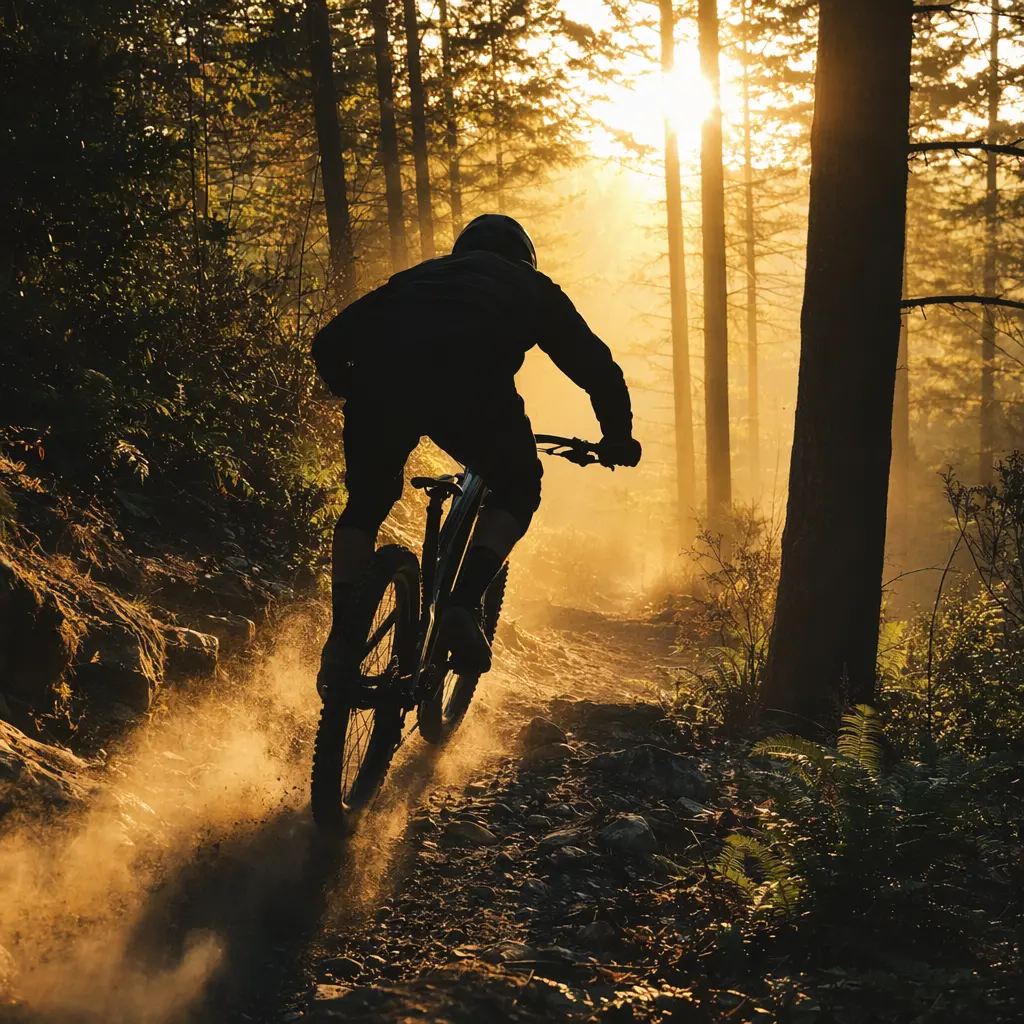
This comparison is for riders staring at a familiar fork in the trail: spend around £400 on a basic mountain bike, or stretch to roughly £900 and hope it feels transformational. Both will get you off-road, but the real question is confidence — especially on UK trails where roots, ruts and wet descents expose weak geometry and brakes faster than lack of suspension travel.
What you actually get at this price
At £400, most new mountain bikes are built to hit a price, not a trail. Frames are usually aluminium, but with conservative, upright geometry designed to feel stable at low speed rather than confident when things steepen. Suspension travel exists largely for comfort, not control, and components are chosen for durability and cost.
Around £900, the emphasis shifts. Geometry becomes more modern, brakes become genuinely powerful, and parts are selected to work together under harder riding. You are not buying a race bike, but you are buying margin — margin for mistakes, speed and rough ground.
- Frame: aluminium at both prices, but £900 bikes tend to have slacker head angles and longer reach for stability
- Fork: £400 bikes use basic coil forks (often heavy, limited damping); £900 bikes typically upgrade to air forks with proper rebound control
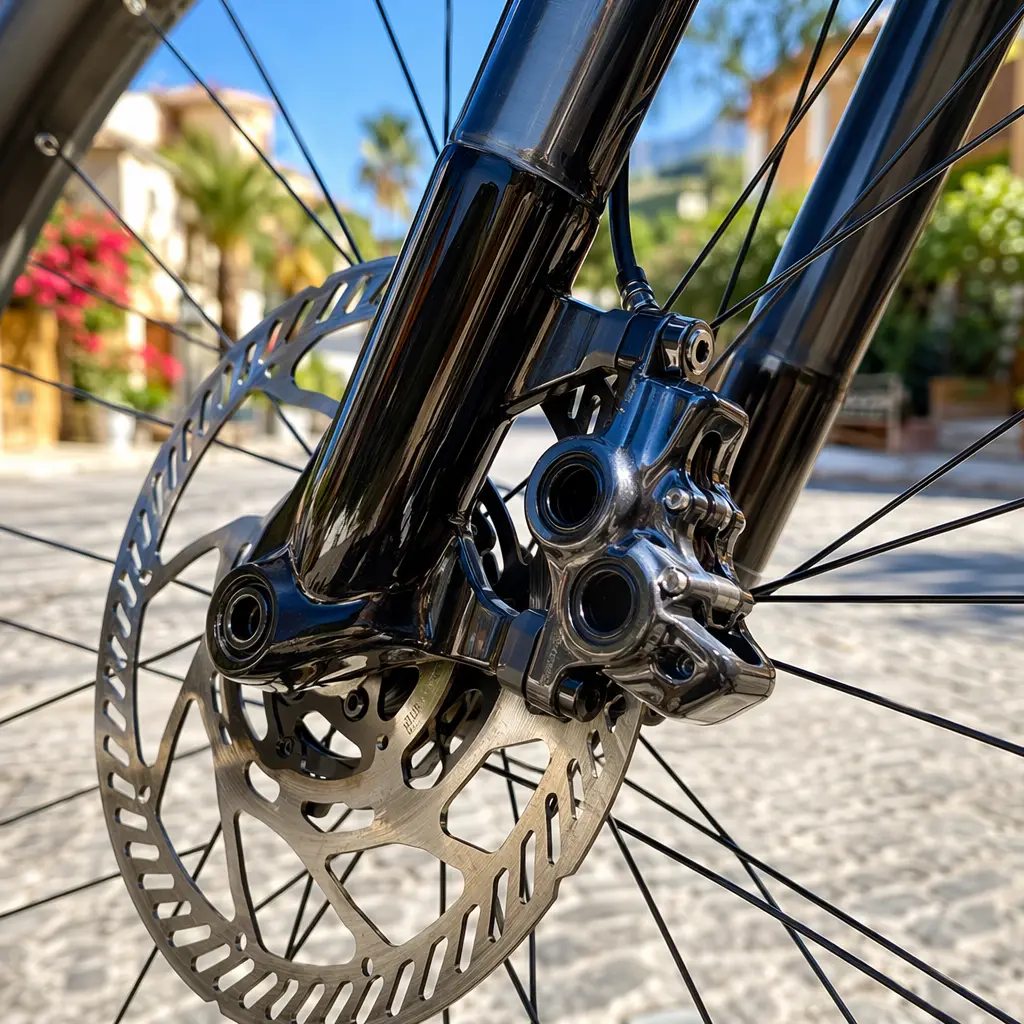
- Brakes: mechanical discs or weak entry-level hydraulics at £400; reliable hydraulic discs with larger rotors around £900
- Gearing: wide-range but budget drivetrains at £400; smoother-shifting, clutch-equipped rear derailleurs at £900
- Wheels and tyres: heavy wheels and hard-compound tyres at £400; lighter rims and grippier tyres at £900
- Extras: neither price usually includes pedals; dropper posts are rare at £400 but sometimes appear near £900
How to choose
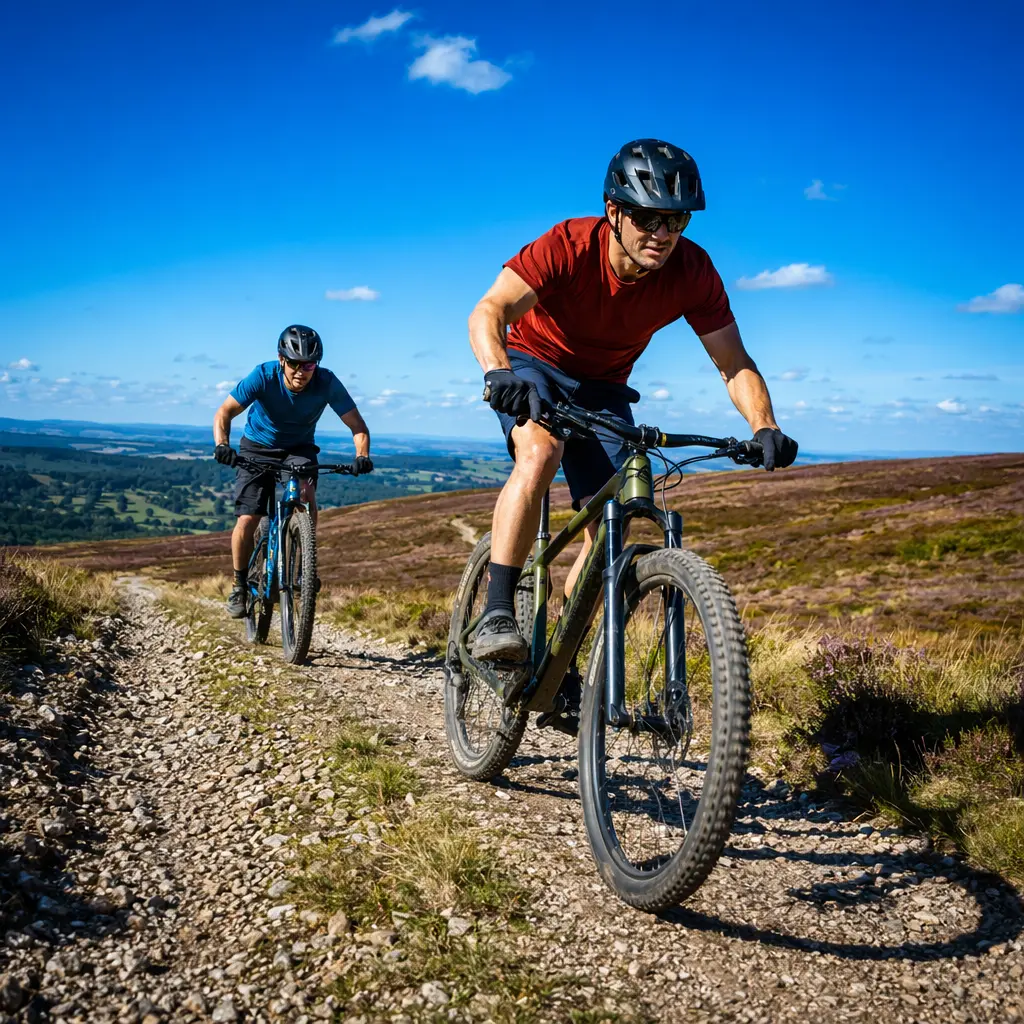
If rides are mostly canal towpaths, forest roads and the occasional dry trail centre loop, a £400 bike can be enough — provided expectations are realistic. The riding position is upright, handling is predictable at low speed, and the bike will tolerate neglect. It is more about access than progression.
If the aim is to ride red-graded trail centres, rooty woodland singles or steep, wet descents, geometry and brakes start to matter more than suspension travel. A slacker front end keeps the bike composed downhill, while stronger brakes reduce arm pump and panic. This is where the £900 bike earns its keep.
What to look out for
- Very steep head angles that make descents feel twitchy
- Heavy coil forks with no meaningful damping adjustment
- Mechanical disc brakes that lose power in wet conditions
- Narrow handlebars that limit control on rough ground
- No internal or external routing for a future dropper post
- Tyres with minimal tread designed for paths rather than trails
Worth spending more on
Even on a £400 bike, a few targeted upgrades can noticeably boost confidence. Tyres are the biggest win: swapping to a softer compound with more aggressive tread can transform grip in UK mud and wet roots. A wider handlebar and shorter stem can also calm steering without changing the frame.
On a £900 bike, spending a little extra on contact points pays off. A saddle that suits your sit bones, decent flat pedals with metal pins, and a reliable helmet all improve comfort and control. These upgrades move with you to the next bike.
Frequently asked questions
Is a £900 mountain bike twice as good as a £400 one?
Not across the board, but in key areas it can feel dramatically better. Braking power, stability and composure on rough ground improve far more than outright speed or comfort.
Does suspension travel matter less than geometry?
Up to a point, yes. A shorter-travel bike with modern geometry and strong brakes is usually more confidence-inspiring than a longer-travel bike with steep angles and weak stopping power.
Should beginners avoid spending £900?
Not necessarily. Beginners who plan to ride challenging trails often progress faster — and feel safer — on bikes with better brakes and geometry.
Is used better value at these prices?
Used bikes can offer excellent value, but condition matters. Worn suspension and tired brakes can erase any saving, so inspection and service history are key.
In short, £400 buys access to the trails; £900 buys confidence on them. Decide which matters more, then spend where geometry and brakes do the most work.
Find these on Amazon
As an Amazon Associate, CheapBikes earns from qualifying purchases.