£400 vs £800 mountain bikes: what extra confidence buys
Is doubling your MTB budget worth it? A plain-English look at what £800 mountain bikes add over £400 ones, focusing on suspension, brakes and geometry that genuinely boost trail confidence.

Mountain bikes at £400 and £800 can look surprisingly similar on a shop floor. Both usually have front suspension, disc brakes and chunky tyres. But on the trail, they can feel worlds apart. This guide is for UK riders wondering whether spending £800 instead of £400 actually buys more confidence where it matters — or whether much of the extra cost is cosmetic.
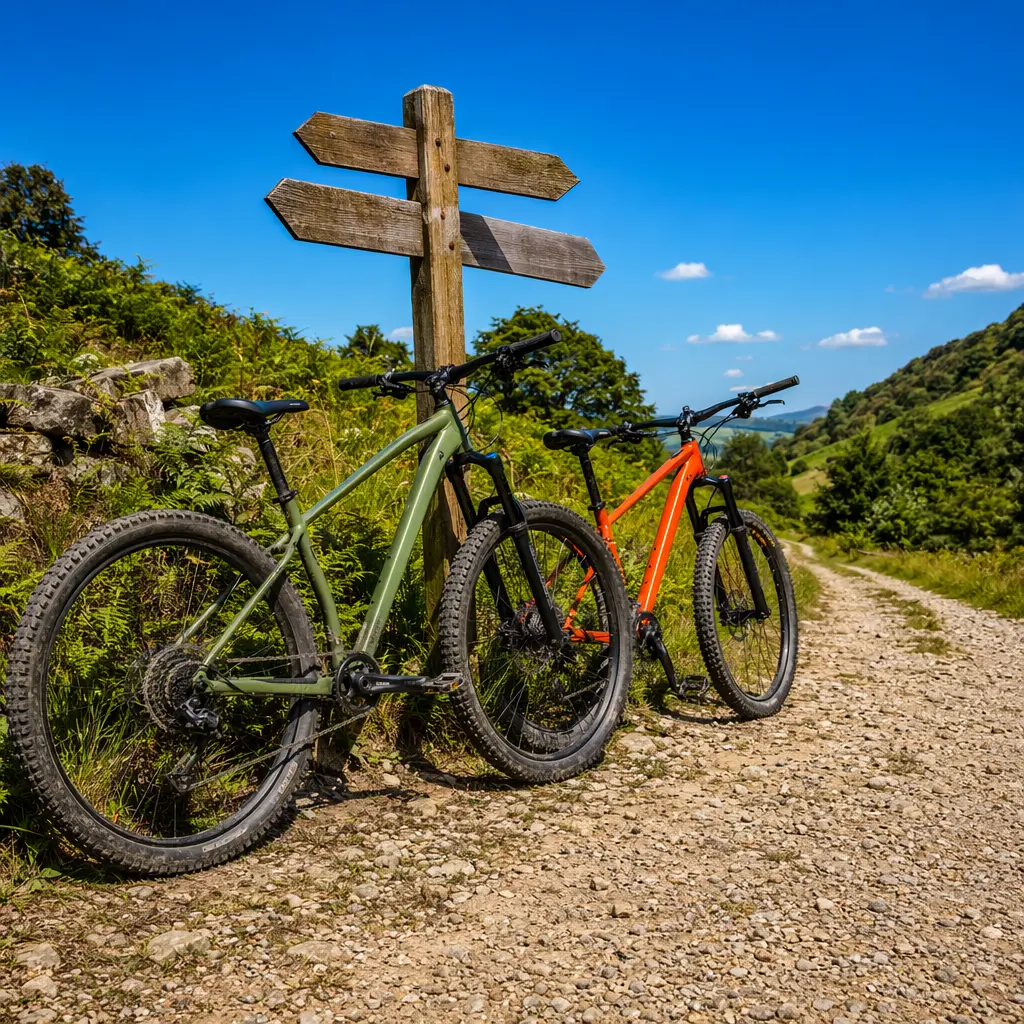
What you actually get at this price
At around £400, most mountain bikes are built to hit a price point. They are fine for gentle trails, towpaths and occasional off-road use, but corners are cut to keep costs down. Jump to £800 and the focus shifts from just looking like a mountain bike to working like one when the trail gets rougher.
The biggest differences tend to be in the parts you feel under braking, steering and repeated bumps — not the paintwork or brand decals.
- Frame: aluminium at both prices, but £800 bikes usually have more modern trail geometry (longer reach, slacker head angle).
- Suspension: £400 bikes use basic coil forks with limited adjustment; £800 bikes often upgrade to better-damped coil or entry-level air forks.
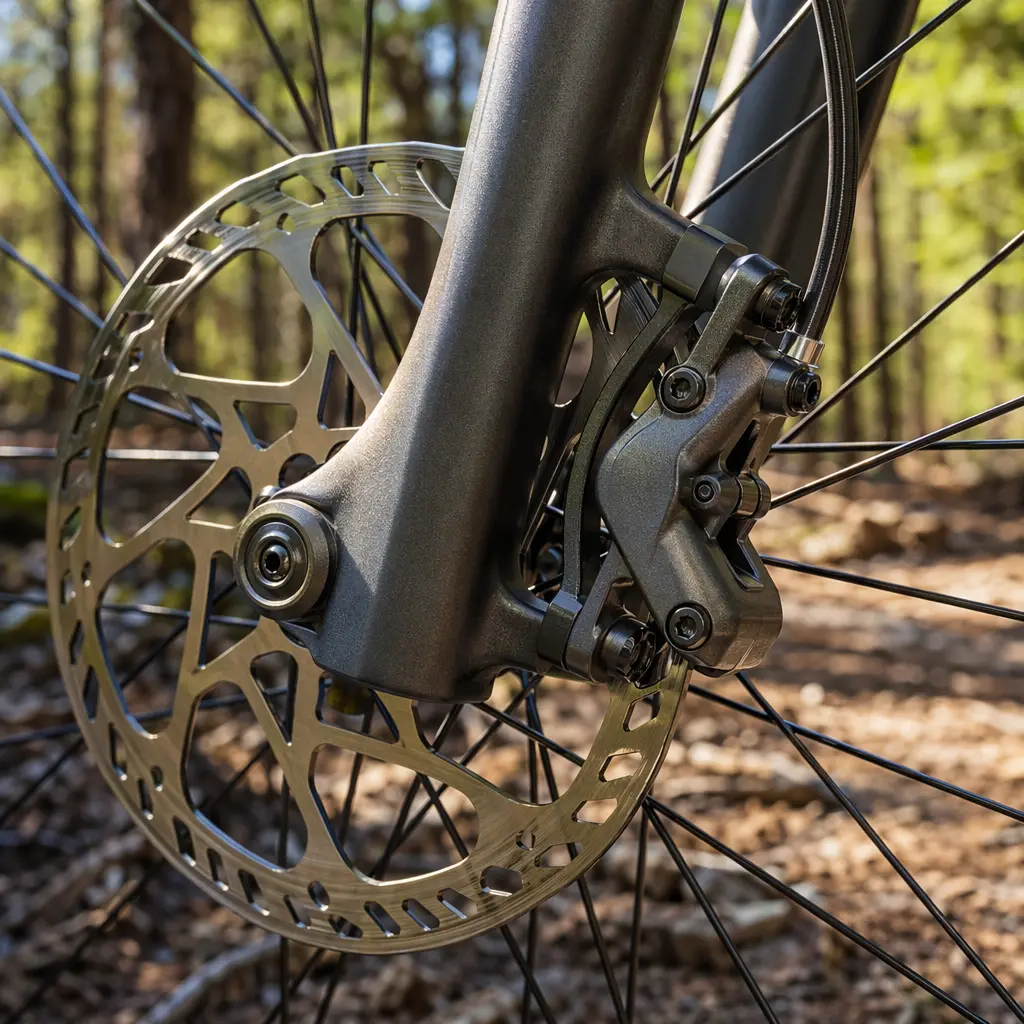
- Brakes: mechanical discs are common at £400; £800 typically brings hydraulic discs with more power and control.
- Gearing: wide-range but basic drivetrains at £400; £800 bikes more often move to 1x setups with better chain retention.
- Wheels and tyres: heavier rims and hard compound tyres at £400; lighter wheels and grippier rubber at £800.
- Extras: neither price usually includes mudguards or lights, but £800 frames are more likely to have dropper post routing.
How to choose
The right choice depends on where and how you ride. If most outings are canal towpaths, forest roads or dry blue trails, a £400 mountain bike can be perfectly adequate. It will feel heavy and a bit nervous on rough ground, but it will get you riding.
If you regularly ride trail centres, rooty woodland loops or natural singletrack, the £800 option starts to make sense. The calmer steering, stronger brakes and more controlled fork reduce fatigue and mistakes. Geometry matters here: a slightly slacker front end and longer wheelbase translate directly into stability on descents.
What to look out for
- Suspension with no damping adjustment beyond preload.
- Mechanical disc brakes that feel wooden in the wet.
- Very heavy wheels that blunt acceleration and grip.
- Limited tyre clearance restricting future upgrades.
- No internal routing or mounts for a dropper post.
Worth spending more on
If the jump from £400 to £800 stretches the budget, some upgrades punch above their weight. Tyres are the biggest one: better rubber can transform grip and confidence more than almost any other change.
A good helmet, proper flat pedals and a quality lock are also smarter places to put money than chasing flashy components. Saddles and grips are personal, but comfort upgrades can make longer rides far more enjoyable.
Frequently asked questions
Is an £800 mountain bike twice as good as a £400 one?
No, but the improvements tend to be in control and safety rather than speed. Brakes, suspension damping and geometry deliver disproportionate gains in confidence.
Can a £400 bike handle trail centres?
Easy trails, yes. Red routes and rough descents will quickly show the limits in braking power and suspension control.
Is it better to buy used at £800?
Potentially. A well-maintained used bike from a reputable seller can offer higher-spec components, but check suspension and brake wear carefully.
Do cosmetic upgrades matter at all?
Paint and graphics do not affect performance, but better finishing sometimes accompanies better components. Focus on parts, not looks.
In short, £400 gets you riding, but £800 buys meaningful trail confidence. If rough terrain is part of the plan, the extra spend is usually felt on the very first descent.
Find these on Amazon
As an Amazon Associate, CheapBikes earns from qualifying purchases.