£400 vs £800 commuter bikes: how much comfort do you feel?
Daily commuting exposes comfort gaps that test rides miss. This guide compares £400 and £800 commuter bikes, focusing on the upgrades that reduce fatigue over weeks of riding.

For daily riders, comfort is not about the first ten minutes of a test ride. It is about how the bike feels after ten days, ten kerbs, and ten headwinds in a row. This comparison looks at the real-world difference between a typical £400 commuter bike and a step-up option around £800, asking where comfort genuinely improves over weeks of riding – and where it does not.
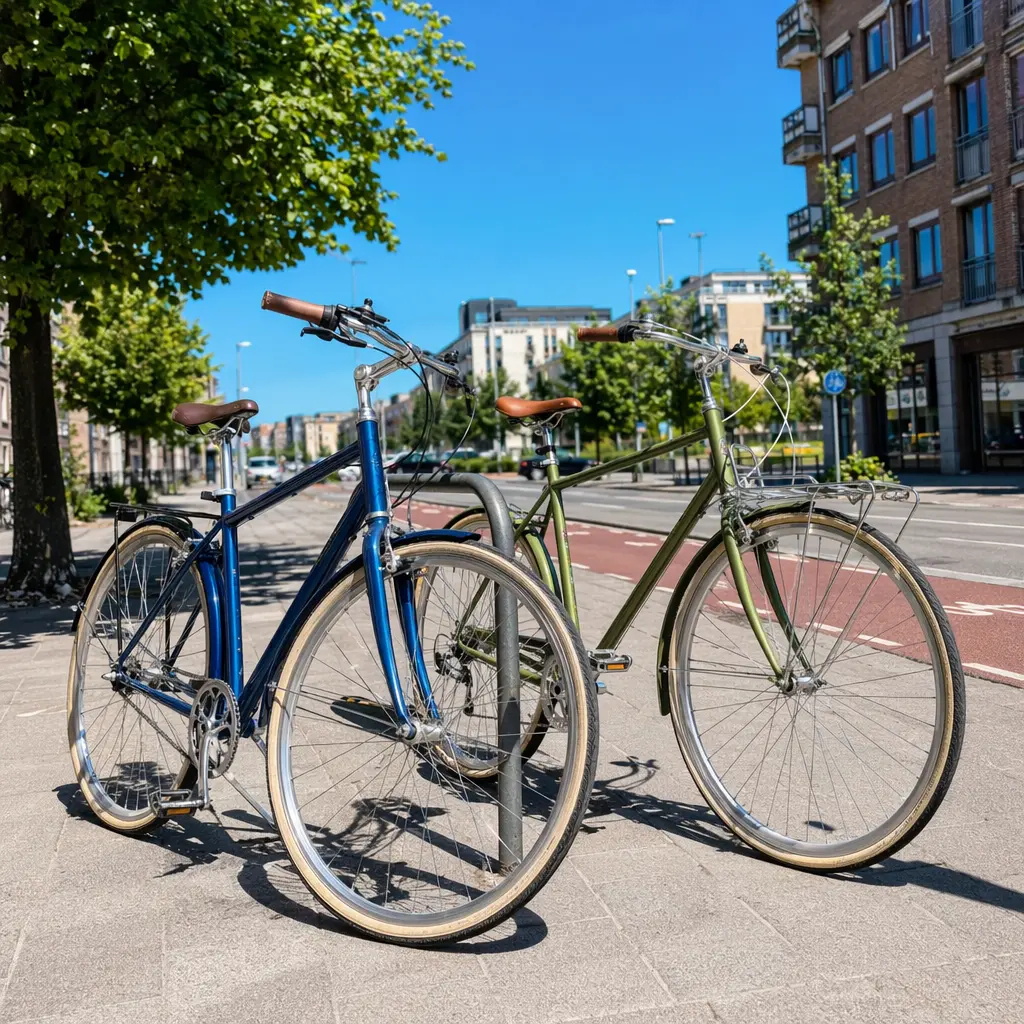
What you actually get at this price
At around £400, commuter bikes focus on getting people rolling reliably. Frames are usually aluminium with a relaxed, upright position, paired with basic but serviceable components. At £800, the headline is not speed, but refinement: smoother contact points, better control, and parts that stay comfortable as miles add up.
The jump in price rarely doubles performance, but it does change how the bike treats your body over time. Small improvements in tyres, drivetrain and finishing kit add up to noticeably less fatigue on daily journeys.
- Frame: aluminium at both prices; £800 bikes tend to have slimmer tubes and better vibration damping
- Fork: steel or basic alloy at £400; carbon or higher-quality alloy more common at £800
- Gearing: entry-level drivetrains with wide ranges vs smoother-shifting mid-tier systems
- Brakes: mechanical discs or rim brakes vs stronger hydraulic discs
- Tyres: wire-bead, puncture-resistant but stiff vs lighter, more supple tyres
- Extras: mudguards and racks often included at £400; better-quality fittings and dynamo lighting more common at £800
How to choose
Comfort starts with fit. Both price points usually offer similar sizing, but £800 bikes are more likely to come with adjustable stems, better bars and seatposts that allow fine-tuning. Over weeks of riding, being able to dial in reach and hand position reduces shoulder and wrist strain.
Think about surfaces, not distance. Short commutes on broken tarmac can be more fatiguing than longer rides on smooth roads. If the route includes potholes, towpaths or kerbs, the better tyres, forks and brakes on an £800 bike will be felt every single day.
What to look out for
- Heavy wheels that dull acceleration and transmit road buzz
- Very basic saddles that feel fine initially but cause soreness later
- Stiff tyres with high puncture protection but little give
- Limited adjustment on bars and stems
- Cable disc brakes that lose power in wet conditions
- Racks or mudguards that rattle or flex under load
Worth spending more on
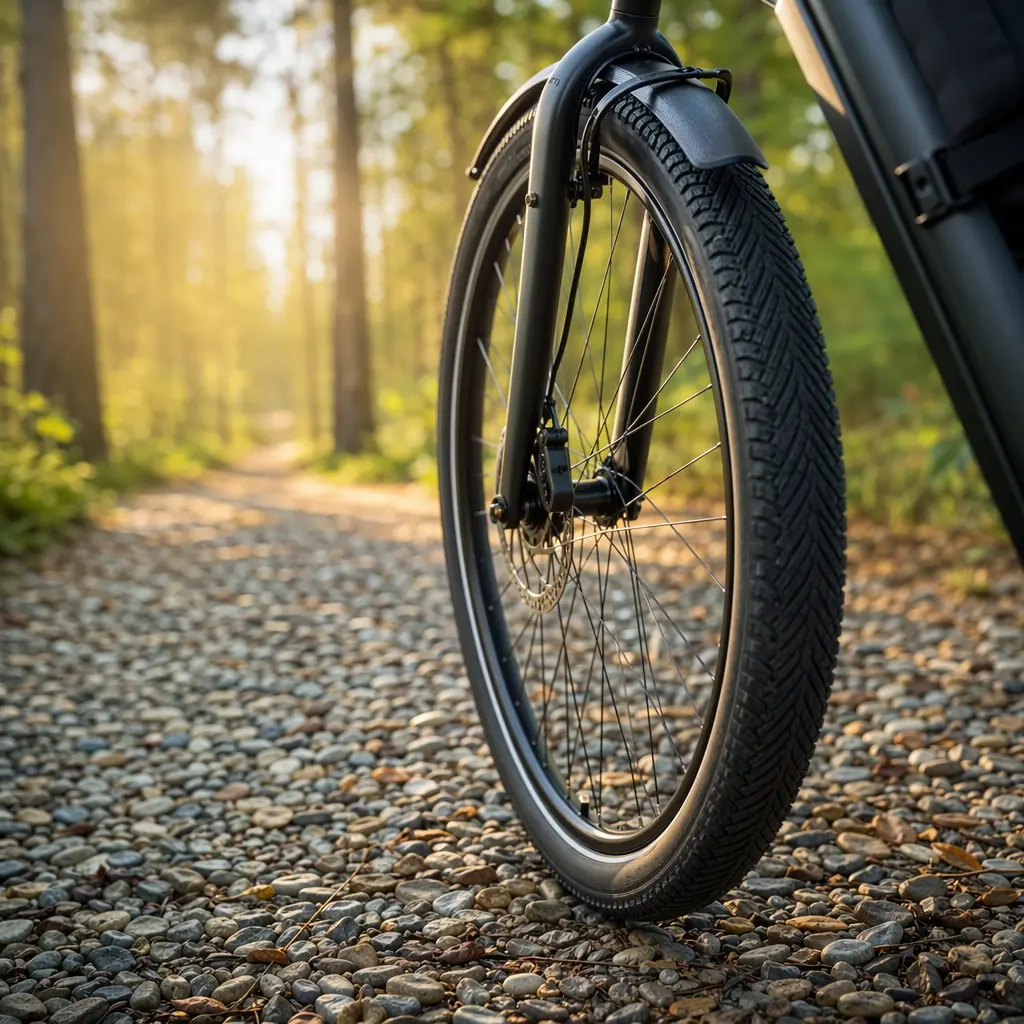
The biggest comfort gains often come from parts that touch the rider or the road. On £800 bikes, tyres are usually more supple, which reduces vibration through hands and hips. Hydraulic brakes require less hand force, reducing fatigue in stop-start traffic.
If sticking closer to £400, allocating extra budget to a better saddle, quality tyres and ergonomic grips can close much of the comfort gap. These upgrades often deliver more benefit than chasing a higher-spec drivetrain.
Frequently asked questions
Is an £800 commuter bike twice as comfortable?
No. The difference is more subtle but cumulative. Comfort improves in small ways that add up over weeks: less hand numbness, fewer aches, and more consistent braking.
Do heavier bikes cause more fatigue?
Weight matters less than tyre quality and fit. A heavier bike with supple tyres can feel less tiring than a lighter one with stiff, harsh rubber.
What about suspension forks for comfort?
Basic suspension forks at this budget add weight and maintenance with limited benefit. Wider tyres at lower pressures usually provide better everyday comfort.
Is used a good option?
Yes, especially around £800. A lightly used commuter with good tyres and brakes can outperform a brand-new £400 bike, provided it has been well maintained.
In short, £800 buys less day-one excitement and more long-term ease. For daily riders, that quieter kind of comfort is often what keeps commuting sustainable.
Find these on Amazon
As an Amazon Associate, CheapBikes earns from qualifying purchases.