£350 vs £600 commuter bikes: cutting maintenance hassle
Is a £600 commuter really cheaper to live with than a £350 bike? This guide explains how components and finishing kit affect reliability, servicing and downtime over a year of UK commuting.


What you actually get at this price
- Gearing: £350 bikes often use basic 7–8 speed drivetrains with cheaper shifters; £600 bikes usually step up to smoother 8–9 speed systems with better sealing
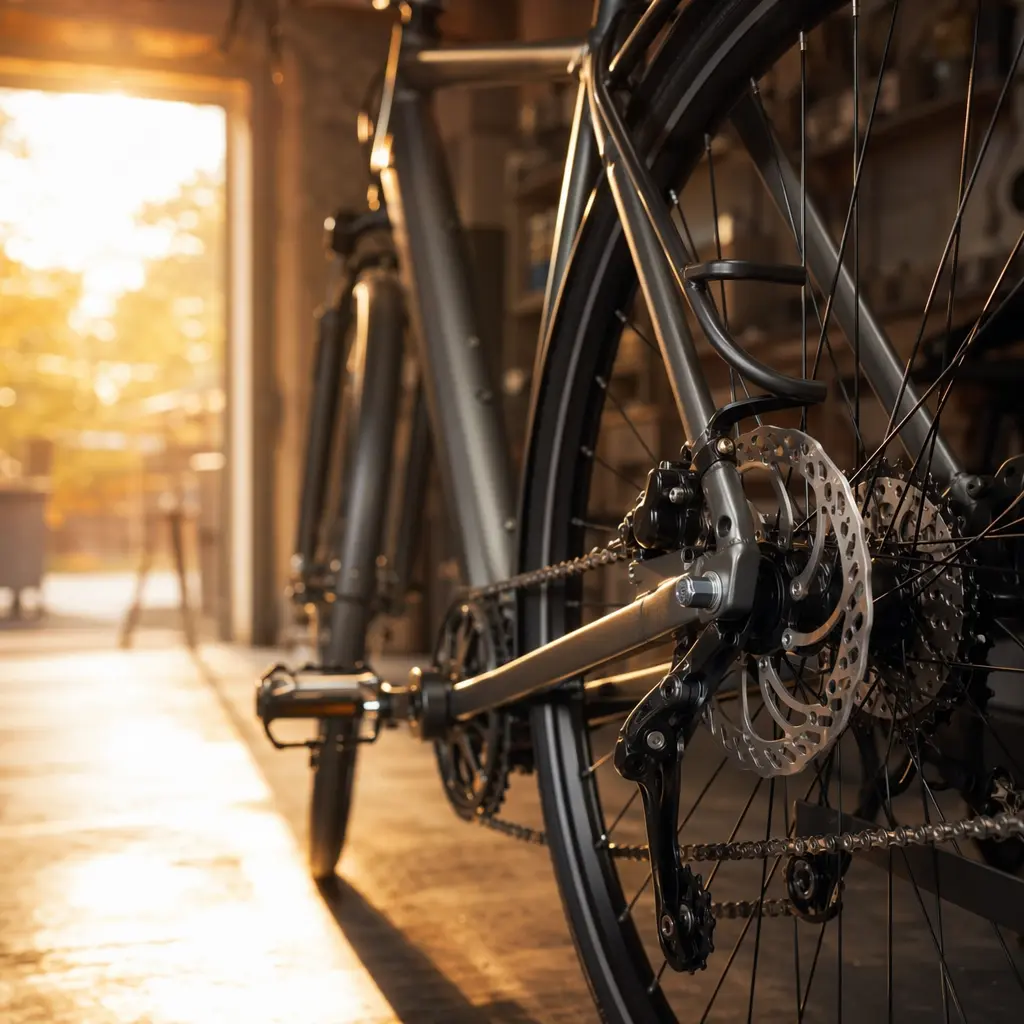
- Brakes: mechanical disc or rim brakes at £350 versus stronger, more consistent mechanical or entry-level hydraulic discs at £600
- Frame and fork: aluminium frames at both prices, but £600 bikes often have better corrosion protection and a stiffer fork
- Wheels and tyres: heavier wheels and thin tyres at £350; slightly lighter wheels and puncture-resistant tyres at £600
- Included extras: mudguards and kickstands are common at £350; £600 bikes more often add proper rack mounts, lights or chain guards
How to choose
What to look out for
- Unsealed bottom brackets and hubs that wear quickly in wet conditions
- Very basic shifters that go out of adjustment frequently
- Cheap tyres with minimal puncture protection
- Paint and bolts that show rust after one winter
- Limited rack and mudguard mounts restricting practical upgrades
Note
Worth spending more on
Frequently asked questions
Is a £600 commuter cheaper to run over a year?
Do hydraulic disc brakes reduce maintenance?
What about internal hub gears?
Is buying used a good alternative?
Find these on Amazon
As an Amazon Associate, CheapBikes earns from qualifying purchases.
buying guide
value
city cycling
maintenance
commuter bikes