£300 vs £600 road bikes: what actually changes?
A practical look at what an extra £300 buys on a road bike for fitness riding, from smoother gearing and lighter wheels to better tyres, braking and comfort on UK roads.
- £300 bikes commonly use heavier aluminium frames and basic wheelsets
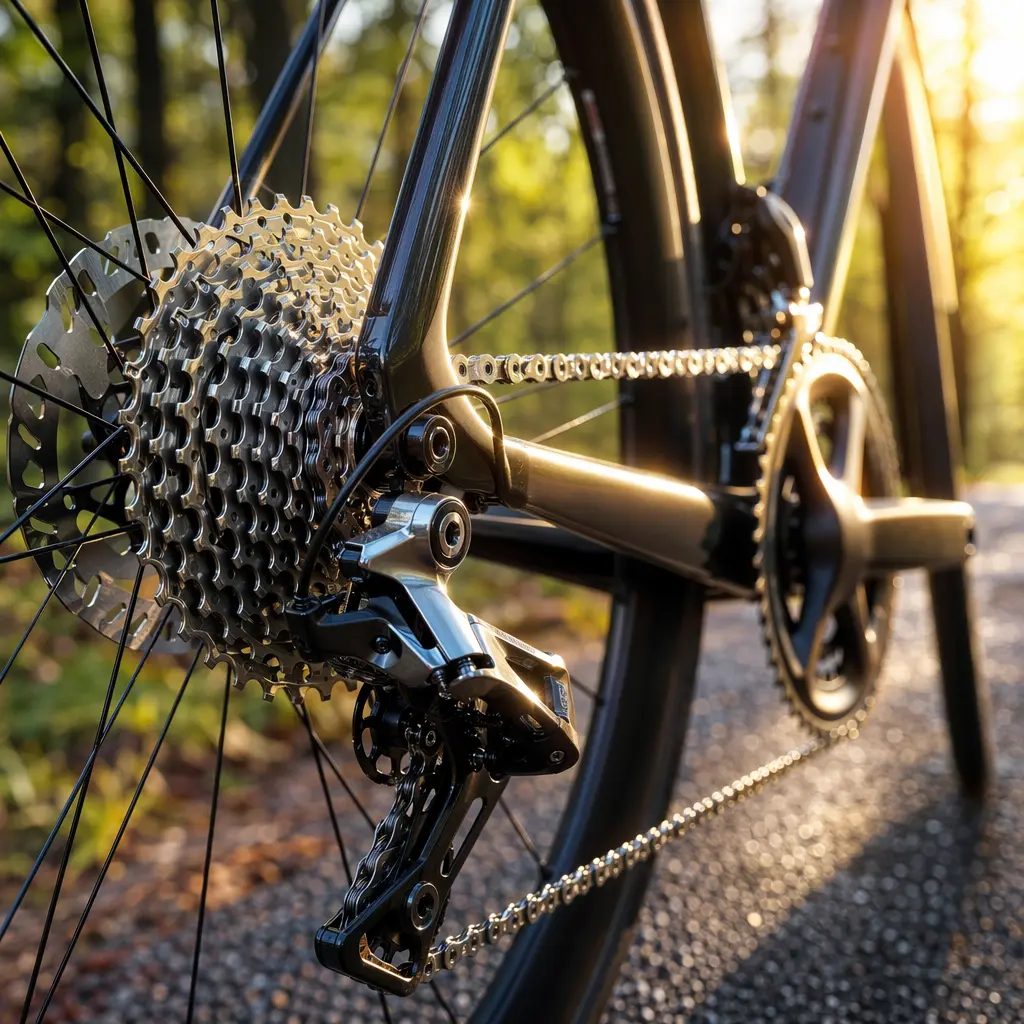
- £600 bikes are more likely to include smoother 8-speed or 9-speed gearing
- Entry-level mechanical disc brakes or improved rim brakes become more common around £600
- Tyres at the higher budget usually roll faster and grip better in wet conditions
- Cheaper bikes may use threaded freewheels rather than modern cassette hubs
- More expensive options often include hidden mudguard mounts for commuting or winter riding
- Cockpit parts such as saddles, bar tape and pedals are usually more comfortable at the higher price point
- Very heavy wheels that make climbing and acceleration feel sluggish
- Cheap tyres with poor wet-weather grip and puncture resistance
- Limited gearing range that struggles on steeper UK hills
- Basic brake pads that wear quickly in winter conditions
- Frames without mudguard or pannier mounts if commuting is planned
- Narrow handlebars or overly aggressive riding positions
- Unbranded finishing kit that can be difficult to replace later
- Bikes sold with low-quality pedals that flex or feel unstable
Note
Find these on Amazon
As an Amazon Associate, CheapBikes earns from qualifying purchases.
budget bikes
uk cycling
road bikes
fitness cycling
cycling-buying-guide