What You Give Up Buying a £300 vs £600 Folding Bike
A £300 folding bike can handle short commutes and train trips, but a £600 option usually folds faster, rides more smoothly and weighs less. Here’s where the extra money actually goes.
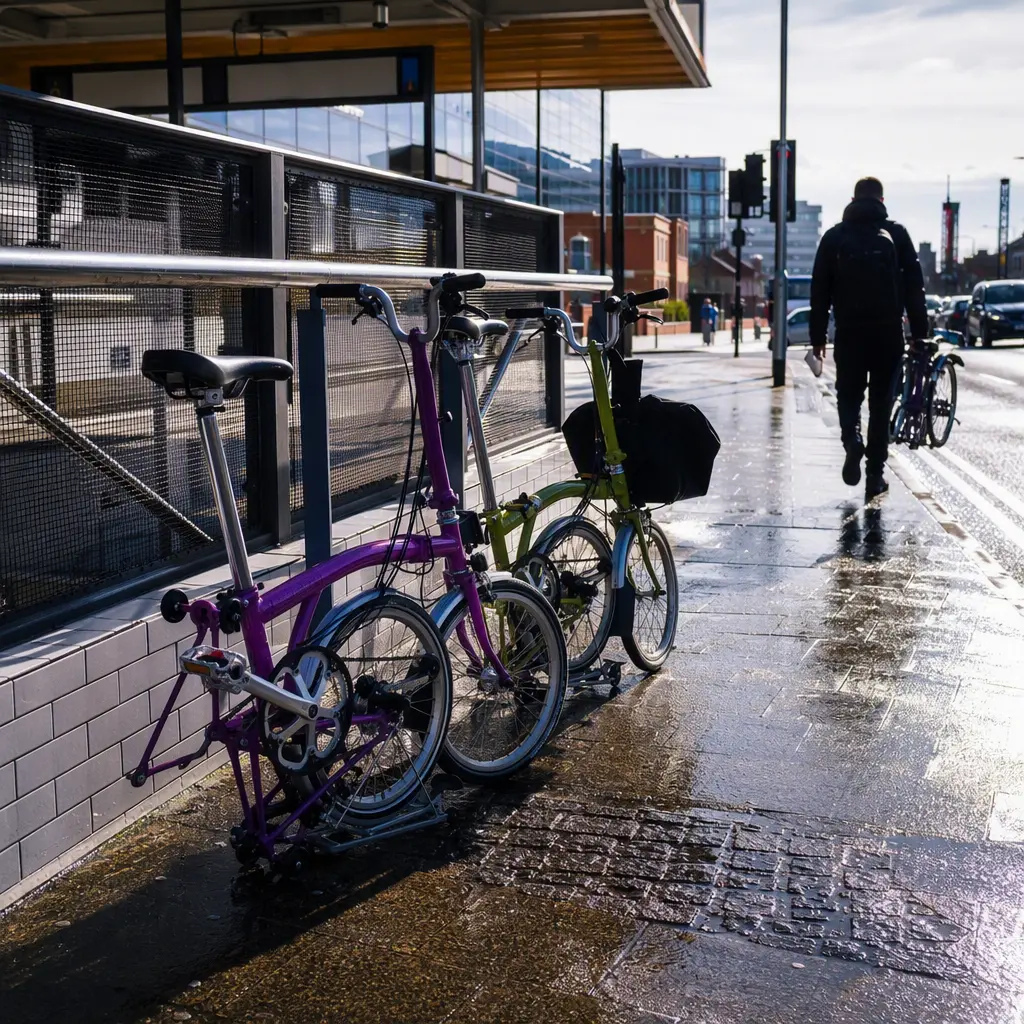
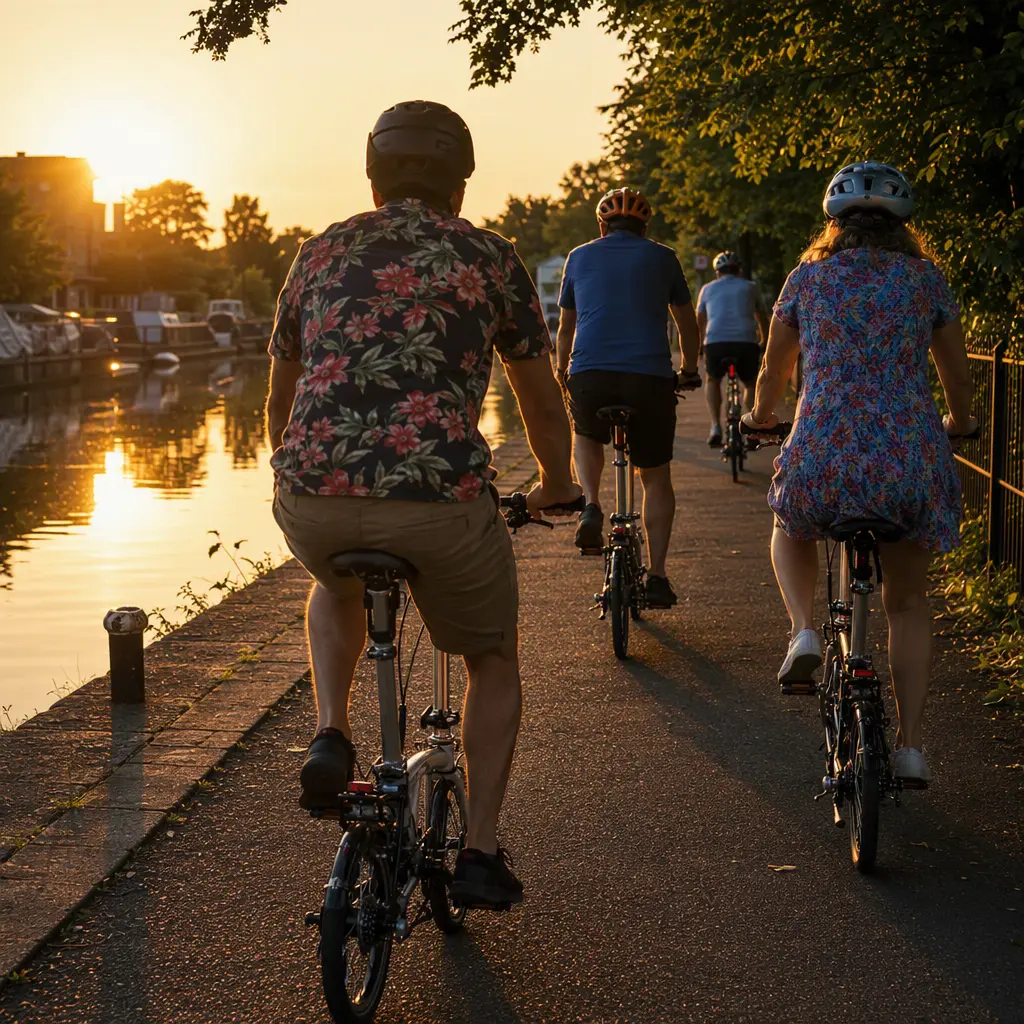
- £300 bikes often use heavier steel frames or entry-level aluminium
- £600 bikes are more likely to save weight with better tubing and lighter components
- Basic 6- or 7-speed gearing is common at £300, while £600 bikes often offer smoother shifting and wider range
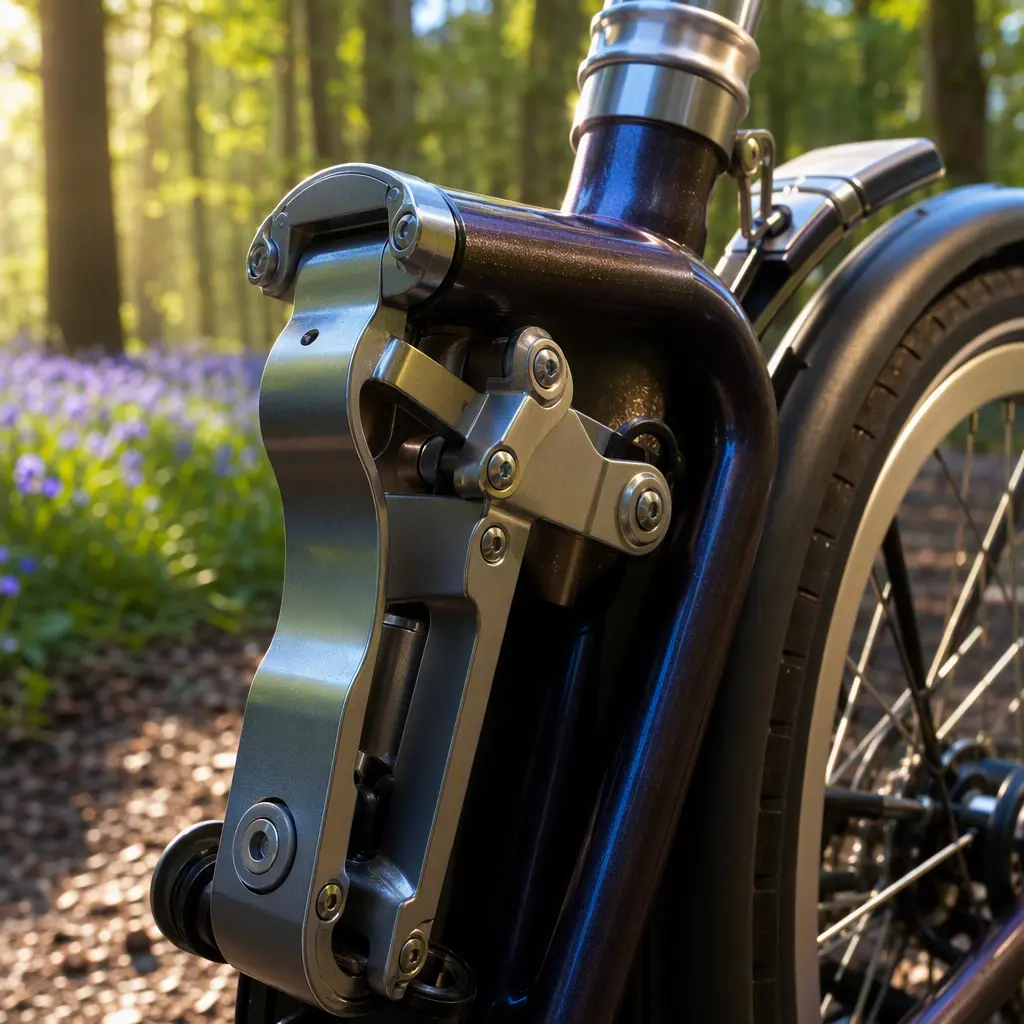
- Cheaper folding mechanisms can feel slower and less refined to use daily
- Mudguards and luggage options are more common on mid-range folding bikes
- Tyres, wheels and contact points usually improve noticeably above the £500 mark
- Heavy overall weight, especially if the bike will be carried upstairs or onto trains
- Loose-feeling hinges or folding clamps that need frequent adjustment
- Basic tyres with limited puncture protection
- Narrow handlebars and short wheelbases that can feel twitchy at speed
- Limited luggage mounting points for panniers or commuting bags
- Cheap pedals and saddles that may need replacing quickly
- Poorly protected cables around the folding joints
- Folding bikes without mudguards, which can make wet-weather commuting messy
Note
Find these on Amazon
As an Amazon Associate, CheapBikes earns from qualifying purchases.
budget bikes
commuting
uk cycling
folding bikes
bike-buying