£300 vs £600 commuter bikes: what actually cuts daily hassle?
Is a £600 commuter really less hassle than a £300 one? This guide breaks down the upgrades that genuinely reduce maintenance, stress and faff on everyday UK rides — and what doesn’t.

For everyday commuting, price isn’t just about speed or looks — it’s about how much friction your bike adds to the working week. At around £300 you can get rolling cheaply, but step up to £600 and the promise is fewer breakdowns, less cleaning, and less time spent fixing small annoyances. This comparison looks past marketing and focuses on which upgrades actually reduce daily hassle for UK riders.
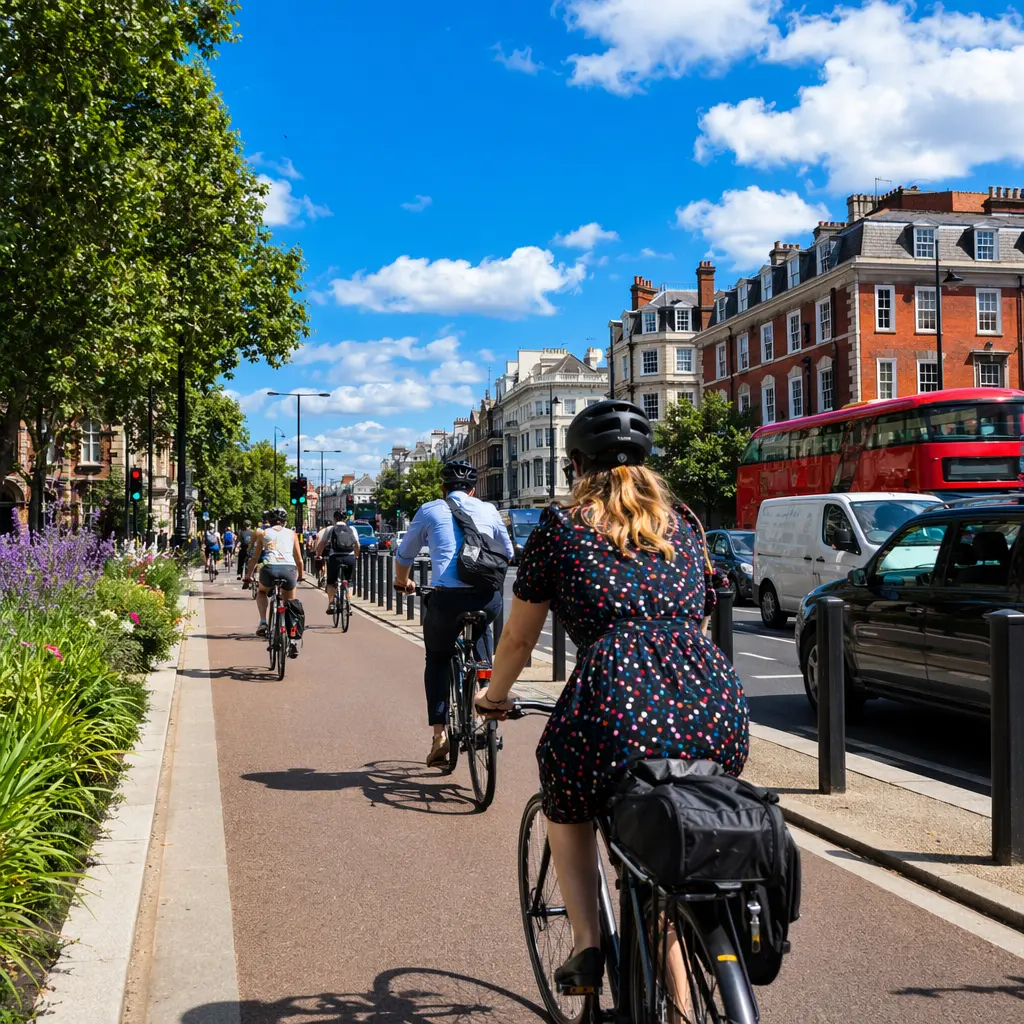
What you actually get at this price
The jump from £300 to £600 isn’t about luxury — it’s about parts that wear out slower, work in worse weather, and need less attention. Both price points will get you a functional commuter, but the experience over months of riding can feel very different.
At £300, bikes are built to hit a number. At £600, they’re built to survive daily use with fewer compromises.
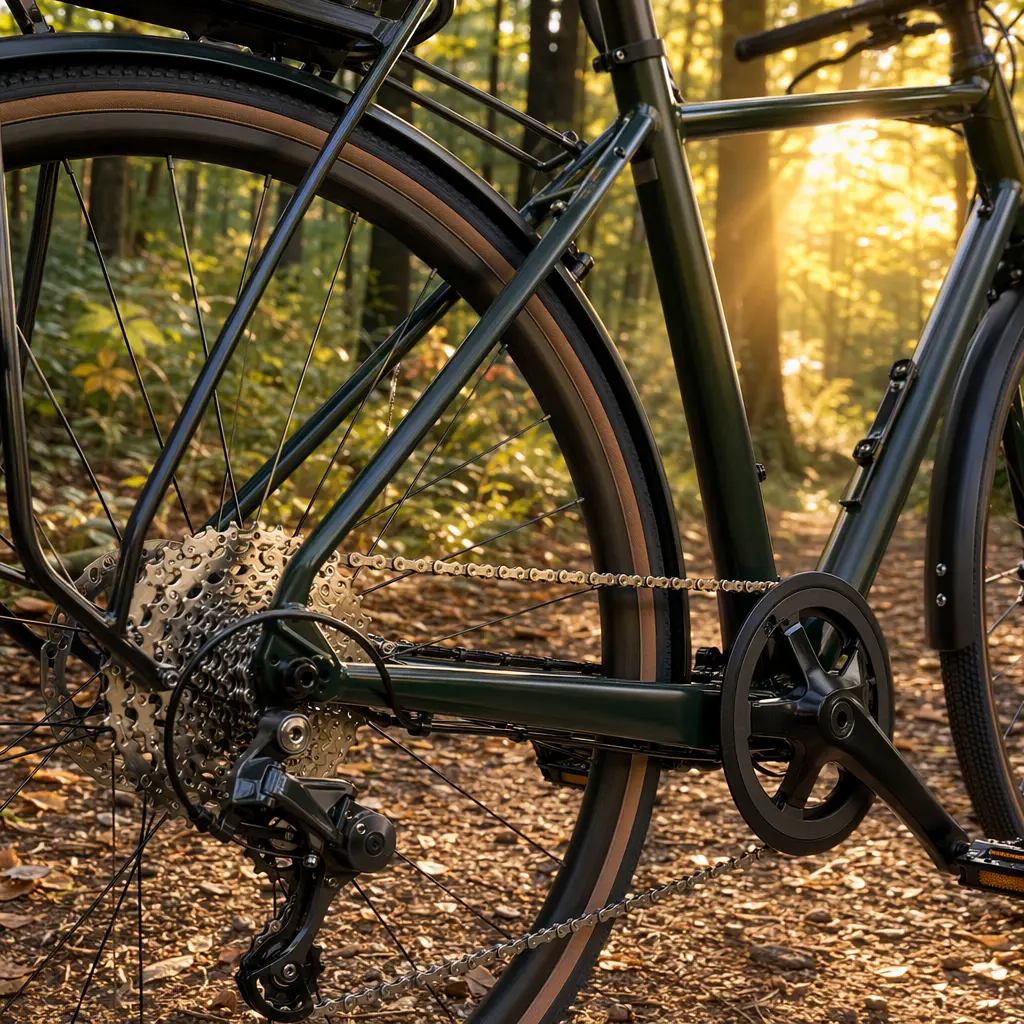
- Frame: £300 bikes usually use heavier aluminium with basic finishing; £600 bikes often have lighter aluminium or steel with better corrosion protection
- Gears: entry-level 7–8 speed drivetrains at £300; smoother-shifting 8–9 speed systems at £600
- Brakes: basic rim brakes or entry cable discs vs more powerful, better-modulated disc brakes
- Wheels: heavier rims and hubs at £300; stronger, better-sealed wheels at £600
- Extras: mudguards and racks are rare at £300; £600 commuters often include or properly support them
How to choose
The right commuter depends less on distance and more on conditions. Short urban rides with secure storage put less strain on components than year-round riding in the rain with outdoor bike parking. If the bike will live outside or be ridden daily through winter, durability matters more than weight.
Fit and geometry also affect stress levels. A slightly more upright position, common on £600 city-focused bikes, reduces wrist and neck strain and improves visibility in traffic. £300 bikes often copy sportier shapes, which can feel harsher over potholes and kerbs.
What to look out for
- Very cheap disc brakes with poor power or rubbing issues
- No proper mounts for mudguards or pannier racks
- Unsealed wheel hubs that suffer quickly in wet weather
- Freewheel hubs instead of cassette hubs on geared bikes
- Tyres with minimal puncture protection
Worth spending more on
If the budget stretches, certain upgrades punch well above their weight. Better tyres are the biggest win — moving from basic rubber to puncture-resistant tyres can halve roadside stops. Similarly, a better saddle doesn’t make you faster, but it makes daily riding tolerable.
Lighting and security also matter. Integrated dynamo lights or high-quality rechargeable lights reduce the chance of being caught out, while a solid lock protects the investment — especially if stepping up to a £600 bike.
Frequently asked questions
Is a £600 commuter cheaper in the long run?
Often, yes. Better components last longer and need fewer replacements. Fewer punctures, truer wheels and more reliable brakes all reduce maintenance costs over time.
Can a £300 bike be upgraded later?
Some parts can be improved, but wheels, brakes and drivetrain limits mean upgrades can quickly approach the cost of a better bike to begin with.
Which is better for winter commuting?
£600 bikes usually cope better thanks to sealed bearings, stronger wheels and proper mudguard clearance — all key for wet, gritty UK roads.
Is theft risk higher with a £600 bike?
Yes, especially in cities. Good locks, sensible parking and insurance become more important as bike value rises.
In short, £300 gets you moving, but £600 buys time, reliability and fewer bad surprises — the things that quietly make daily commuting easier.
Find these on Amazon
As an Amazon Associate, CheapBikes earns from qualifying purchases.