£250 vs £550 kids’ bikes: is the upgrade worth it?
Cheaper kids’ bikes can work for short family rides, but lighter frames and better geometry often make cycling noticeably easier and more confidence-inspiring for younger riders.
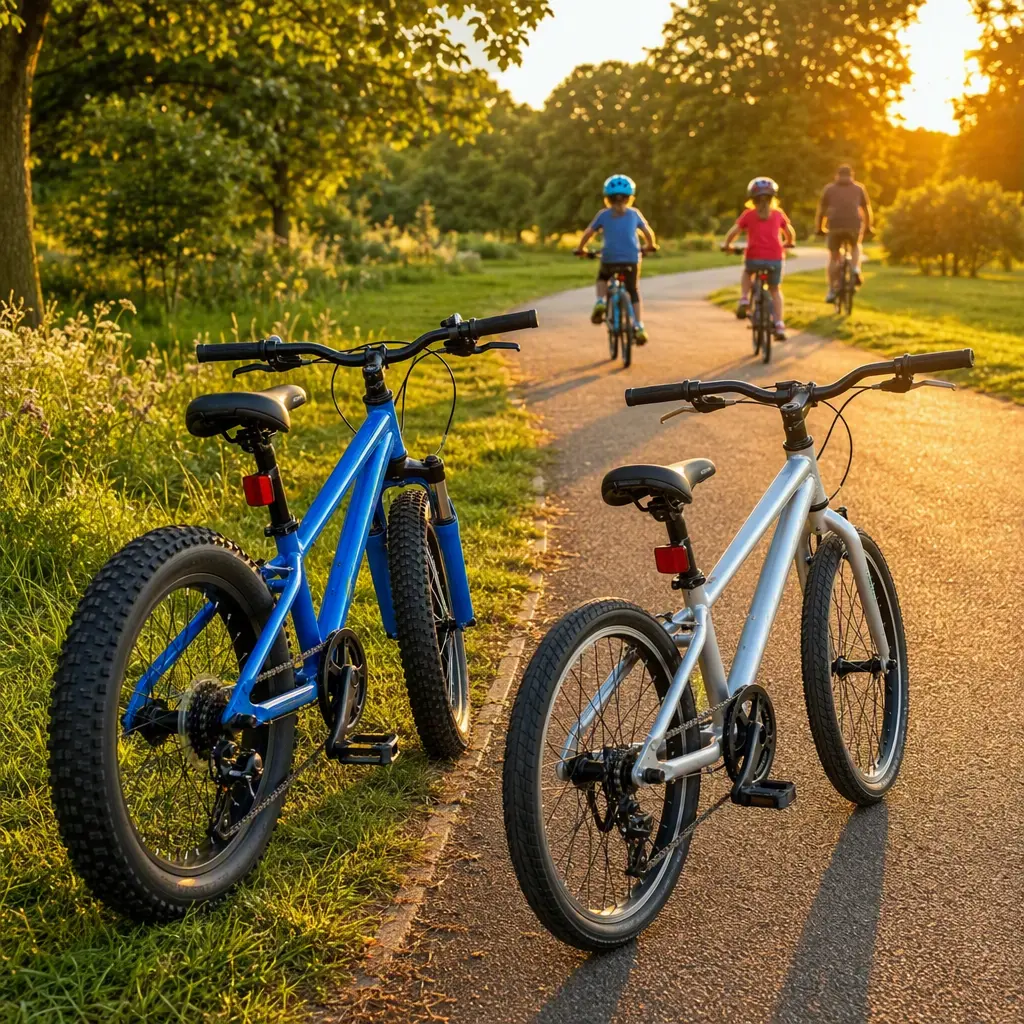
A £250 kids’ bike and a £550 kids’ bike can look surprisingly similar from a distance, but the riding experience is often very different. For younger riders, lower weight, easier steering and more child-friendly sizing can make the difference between struggling up kerbs and confidently riding further on family outings. The key question is whether those gains justify paying more, especially when children grow quickly and bikes may only last a few years.
What you actually get at this price
At around £250, most kids’ bikes focus on affordability and durability. Frames are commonly made from heavier aluminium or steel, with simpler components designed to survive rough treatment rather than minimise weight. Many still use basic grip shifters, entry-level mechanical disc brakes or V-brakes, and fairly heavy tyres and wheels.
Closer to £550, the biggest difference is usually weight and geometry rather than flashy technology. Better-designed frames are easier for children to manoeuvre, while lighter wheels and tyres reduce the effort needed to get moving. That can help younger riders climb hills, steer more naturally and build confidence faster. Higher-quality brakes and smoother shifting also tend to require less hand strength, which matters more for children than many adults realise.
- £250 bikes often weigh noticeably more, especially in smaller wheel sizes
- £550 bikes typically use lighter aluminium frames and lighter wheelsets
- Cheaper bikes may use basic grip shifters that can feel stiff for small hands
- More expensive options often have shorter cranks and narrower handlebars sized better for children
- V-brakes remain common and can work well if properly adjusted
- Tyres at higher price points are often faster-rolling and easier to control on mixed surfaces
- Rack and mudguard mounts vary widely, even on family-focused models
- Suspension forks at lower prices usually add weight without much real performance benefit
How to choose
Fit matters more than price. A well-sized £250 bike can still feel far better than an oversized £550 one. Children should be able to start, stop and stand over the bike comfortably without stretching. Reach to the bars is particularly important because many cheaper bikes use adult-style proportions that can make steering awkward for smaller riders.
Think carefully about where the bike will actually be used. For school runs, park rides and short family outings, a basic rigid bike with sensible tyres may be perfectly adequate. If the child rides regularly, tackles hills, joins longer rides or lacks confidence, the benefits of lower weight become much more obvious. A lighter bike is easier to accelerate, easier to lift after a wobble and less tiring over time. That often translates into children wanting to ride more rather than less.
What to look out for
- Very heavy frames that are difficult for children to control
- Suspension forks on budget bikes that add weight but little comfort
- Oversized handlebars and long cranks designed more for manufacturing convenience than child fit
- Cheap tyres with poor grip in wet conditions
- Stiff gear shifters that small hands struggle to operate
- Mechanical disc brakes that may need frequent adjustment
- Limited frame clearance for mudguards or wider tyres
- Single-speed bikes sold for hilly areas where gears would genuinely help
Worth spending more on
Tyres are one of the smartest upgrades for almost any kids’ bike. Better tyres can improve grip, rolling speed and comfort immediately without adding much weight. They also tend to puncture less often, which matters for school commutes and weekend rides alike.
A properly fitted helmet, decent lights and a practical lock are usually more worthwhile than cosmetic accessories. On cheaper bikes, replacing very heavy pedals or adding softer grips can also improve comfort noticeably. If the bike already fits well, small upgrades often deliver better value than chasing unnecessary features like suspension forks.
Frequently asked questions
Do lighter kids’ bikes really make that much difference?
Yes, especially for younger children. A heavy bike can represent a large percentage of the rider’s own body weight, making climbing, turning and stopping harder. Lighter bikes generally feel easier to control and less tiring over longer rides.
Is a £250 kids’ bike still good enough?
For occasional riding and shorter journeys, many £250 bikes are perfectly usable if they fit properly and are assembled well. The compromises are usually weight, component smoothness and long-term refinement rather than basic functionality.
Should children have suspension forks?
Usually not at this price point. Budget suspension forks tend to add significant weight while offering limited real comfort or control benefits. Wider tyres and a lighter rigid fork are often a better combination for younger riders.
Is buying used worth considering?
Used premium kids’ bikes can offer excellent value because children outgrow them quickly. A well-maintained second-hand lightweight bike may ride better than a brand-new budget option at the same price. Check brakes, tyres, wheel bearings and drivetrain wear carefully before buying.
For children who ride regularly, the jump from £250 to around £550 often buys a noticeably easier, lighter and more confidence-inspiring ride — and that can matter more than any headline component upgrade.
Find these on Amazon
As an Amazon Associate, CheapBikes earns from qualifying purchases.