£250 vs £500 BMX bikes: what extra spend really buys
A clear, value-focused look at £250 versus £500 BMX bikes for regular park riding — covering frame strength, components, durability and how much faster progression you can expect.

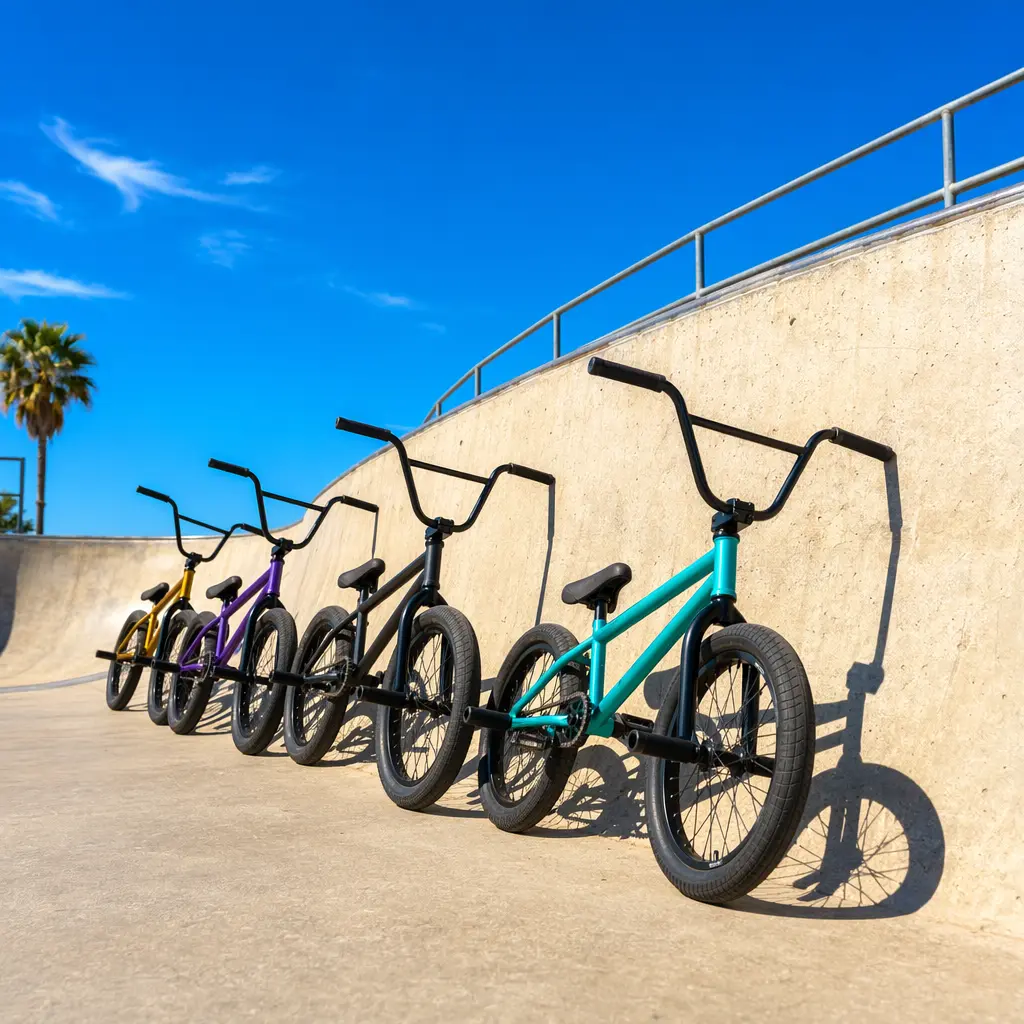
What you actually get at this price
- Frame: £250 bikes are usually high-tensile steel; £500 bikes often use full chromoly or chromoly main tubes for better strength and fatigue resistance
- Forks & bars: straight-gauge steel at £250; heat-treated chromoly more common at £500
- Drivetrain: one-piece cranks and loose ball bottom brackets vs three-piece cranks with sealed bearings
- Wheels: single-wall rims and basic hubs vs double-wall rims and stronger hub shells
- Brakes: basic U-brakes with entry pads vs better calipers, levers and smoother cables
- Extras: £500 bikes more likely to include hub guards and quality tyres
How to choose
What to look out for
- High-tensile frames that dent or crack after repeated impacts
- One-piece cranks that bend under hard landings
- Single-wall rims that go out of true quickly
- Unsealed bearings that grind and loosen in wet UK conditions
- Heavy overall weight that makes spins and hops harder to learn
- Limited clearance for pegs or hub guards
Note
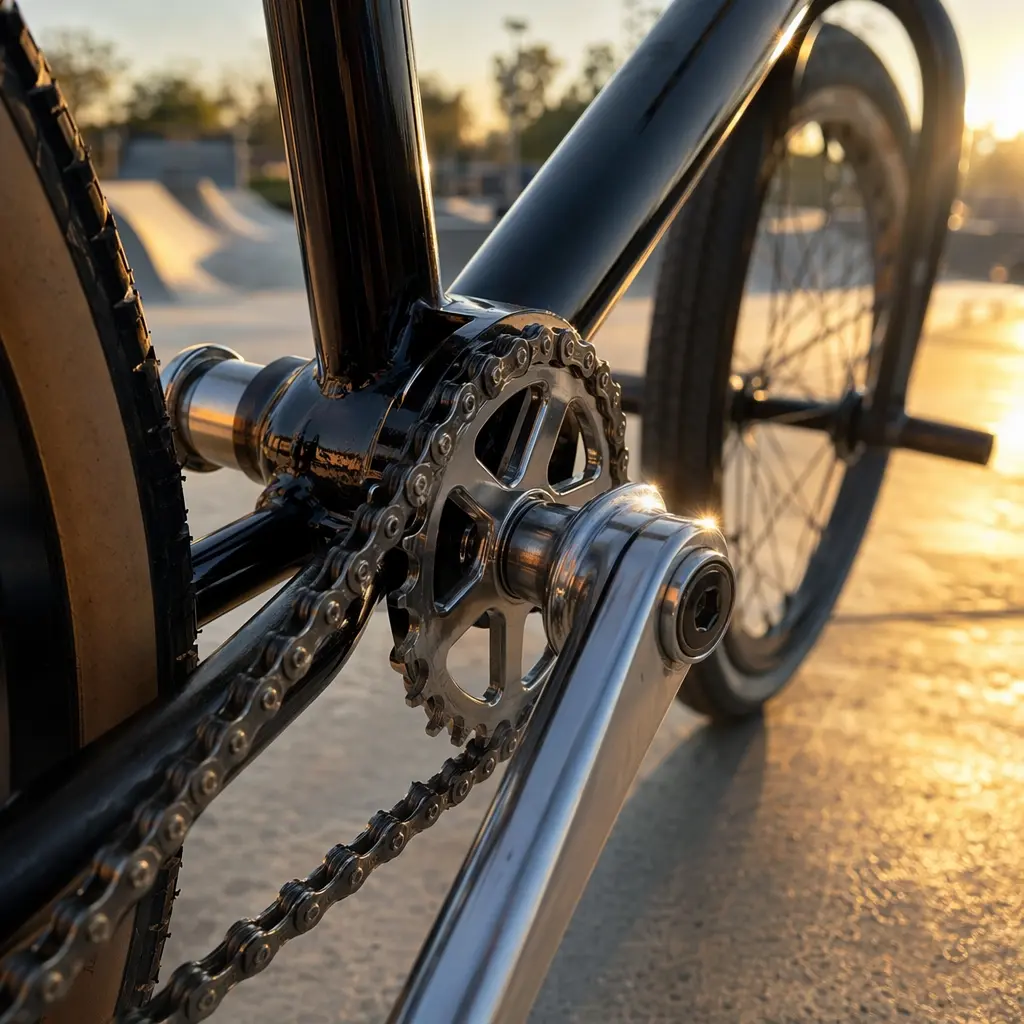
Worth spending more on
Frequently asked questions
Is a £250 BMX strong enough for skateparks?
Does £500 mean competition-level quality?
Is upgrading a £250 bike cheaper than buying £500 upfront?
Find these on Amazon
As an Amazon Associate, CheapBikes earns from qualifying purchases.
buying guide
value
bmx
park riding
components