Trek Marlin: the hardtail that eases UK riders onto real trails
Trek’s Marlin is a global hardtail family that’s quietly guided thousands of UK riders from bike paths to blue trails. Sensible geometry, wide availability and steady spec make it a safe first step into mountain biking.
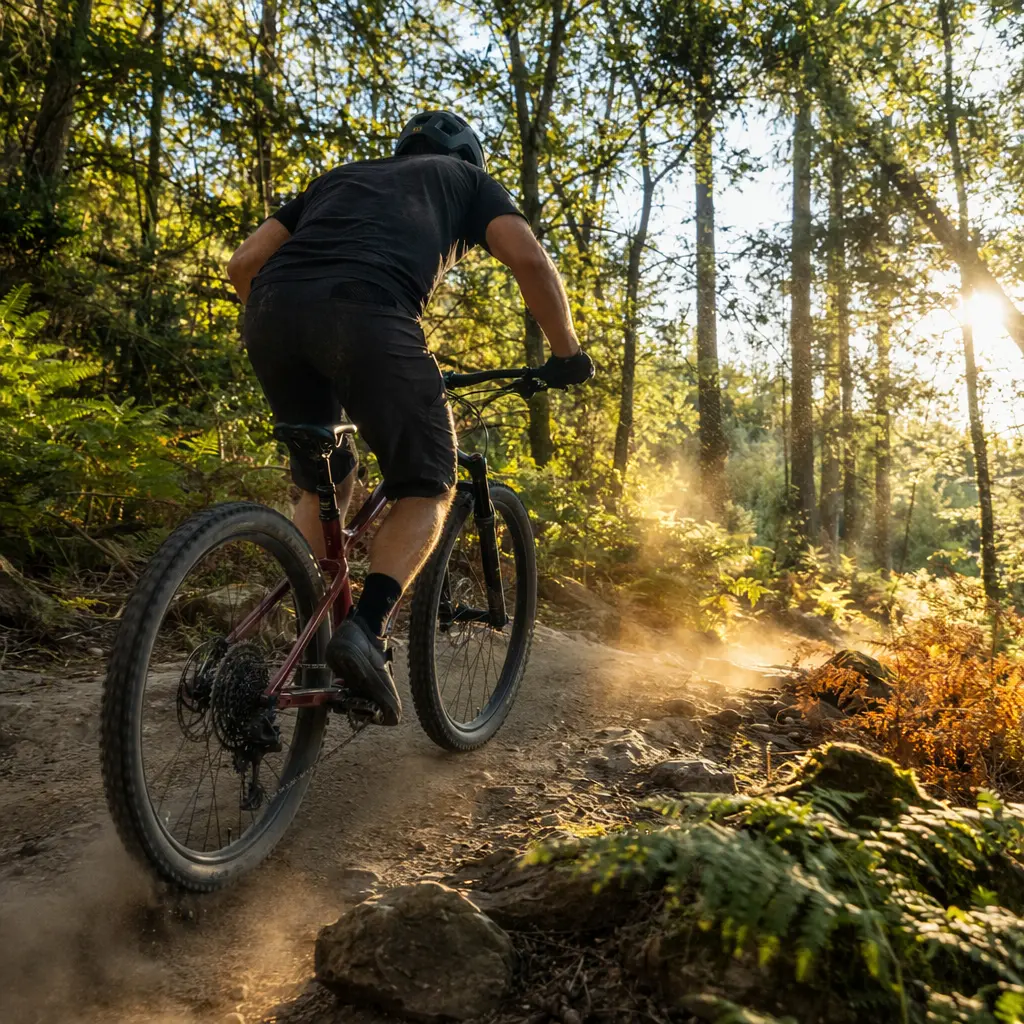
The Trek Marlin sits right at the gateway to mountain biking. It’s a hardtail family seen everywhere from canal towpaths to trail centres, quietly doing the job of turning curious beginners into confident off-road riders. In the UK market it occupies that crucial middle ground: more capable than a leisure hybrid, less intimidating than a full‑on trail bike, and widely stocked by local Trek dealers.
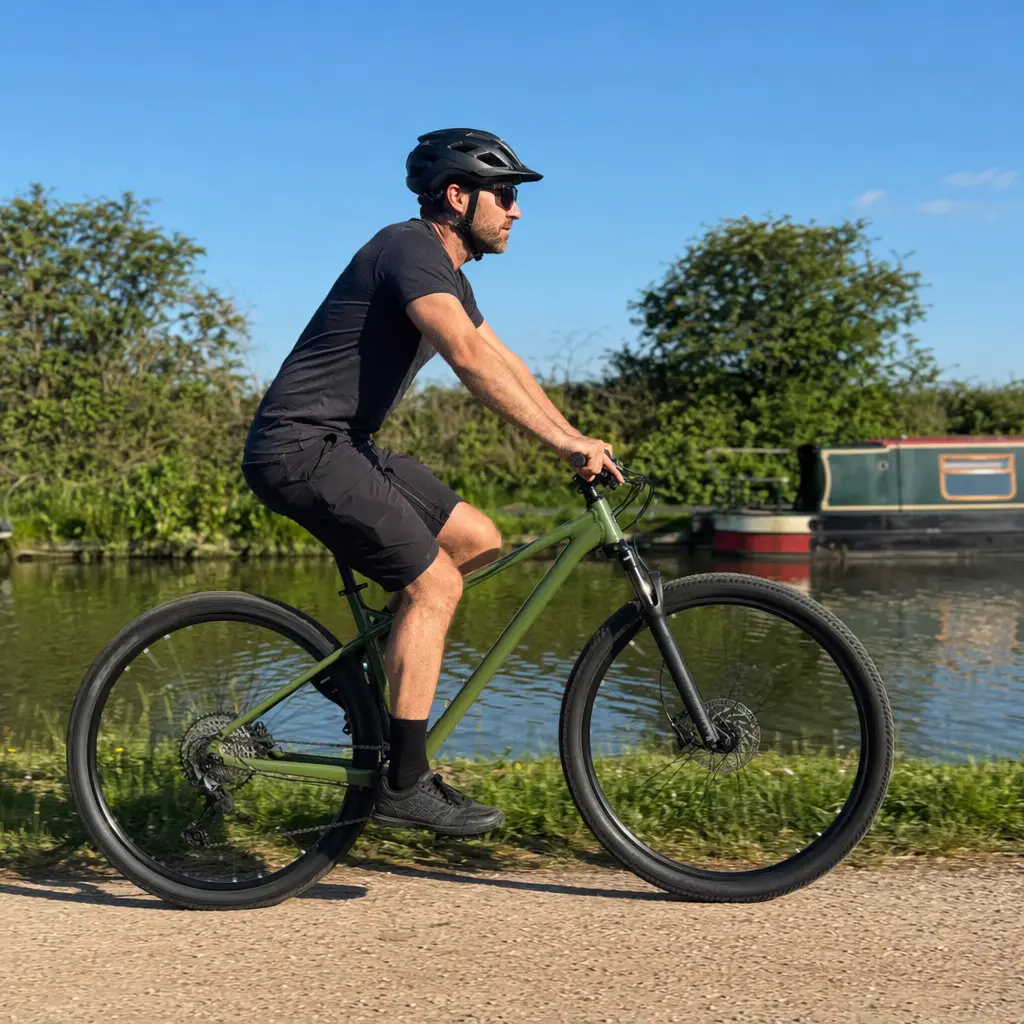
Where it came from
The Marlin emerged in the mid‑2010s as Trek’s answer to a simple question: how do you welcome new riders into proper mountain biking without overwhelming them? Trek already had serious trail and race bikes, but there was a gap below those for riders stepping up from hybrids or old-school MTBs.
Sold globally and consistently available in the UK through Trek’s dealer network, the Marlin quickly became a volume seller. Its role has stayed the same even as details evolved: an accessible hardtail that can handle bike paths and bridleways, then graduate to blue-rated trail centre loops without demanding expert skills or a huge budget.
Why it works
What makes the Marlin family work is restraint. The geometry is modern enough to feel stable off-road, but not so slack or long that it feels unwieldy on tarmac. Most models run 29in wheels in larger sizes, rolling smoothly over roots and kerbs, while smaller frames often use 27.5in wheels to keep handling friendly.
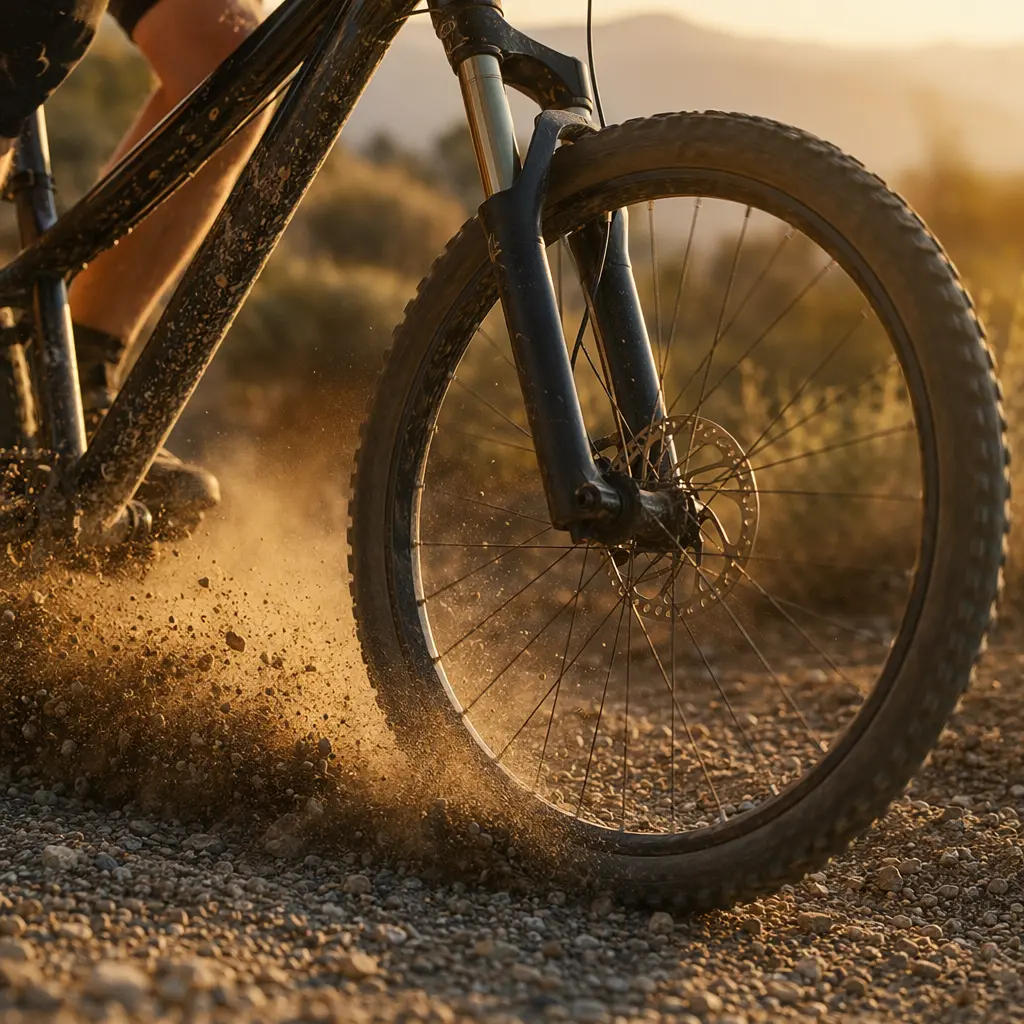
Component choices are deliberately conservative. Expect coil-sprung suspension forks rather than air, reliable hydraulic disc brakes, and wide-range drivetrains aimed at durability over grams saved. That keeps costs down and maintenance simple, which matters when the bike is a first proper MTB rather than a hobbyist’s project.
- Beginner-friendly geometry that feels steady at low speeds
- Hardtail simplicity: lighter and easier to live with than full suspension
- Wide tyres for grip on gravel, mud and trail centre surfaces
- Mounts for mudguards and racks on many trims, adding everyday practicality
Who it’s for
The Marlin is aimed squarely at riders buying their first mountain bike, or returning after years away. It suits mixed use: weekday spins on cycle paths, weekend trips to forest trails, and the odd commute with mudguards fitted. Budget-wise, the family usually spans the affordable end of the MTB market, typically around £500–£800 new depending on trim, with plenty of used options below that.
Variants and what to look for today
Rather than radical differences, Marlin variants tend to step up gradually. Entry trims keep things simple with basic forks and drivetrains. Mid-level versions usually add better brakes and a wider gear range. Higher trims may bring lighter components and cleaner shifting, but the core frame and intent remain the same.
When buying second-hand, condition matters more than trim level. Check the fork for smooth action without knocking, inspect rims for dents, and look closely at the drivetrain for wear. Because many Marlins are first MTBs, they’ve often had gentle use — but they’ve also sometimes missed regular servicing.
Frequently asked questions
Is the Trek Marlin good for commuting?
Yes, within reason. With slicker tyres and mudguards, it works well for short to medium commutes, especially where roads are rough or include paths. It’s heavier than a hybrid, but more forgiving.
Can it handle trail centres?
Blue trails are well within its comfort zone, and careful riders can tackle some reds. It’s not designed for big jumps or sustained rough descents, but that’s not its job.
Is it upgrade-friendly?
There’s room for sensible upgrades like tyres, pedals and contact points. Big-ticket changes often make less sense than riding it as-is and upgrading the whole bike later.
In the crowded world of entry-level mountain bikes, the Trek Marlin endures by being unflashy and dependable. It doesn’t chase extremes; instead it offers a calm, confidence-building route into off-road riding — which is exactly why so many UK riders start their trail journey on one.
Find these on Amazon
As an Amazon Associate, CheapBikes earns from qualifying purchases.