£200 vs £450 folding bikes: what actually matters
Budget and mid‑range folding bikes look similar, but daily carrying and storage tell a different story. Here’s what £200 really buys, what £450 improves, and which details matter most at home, on trains and in offices.
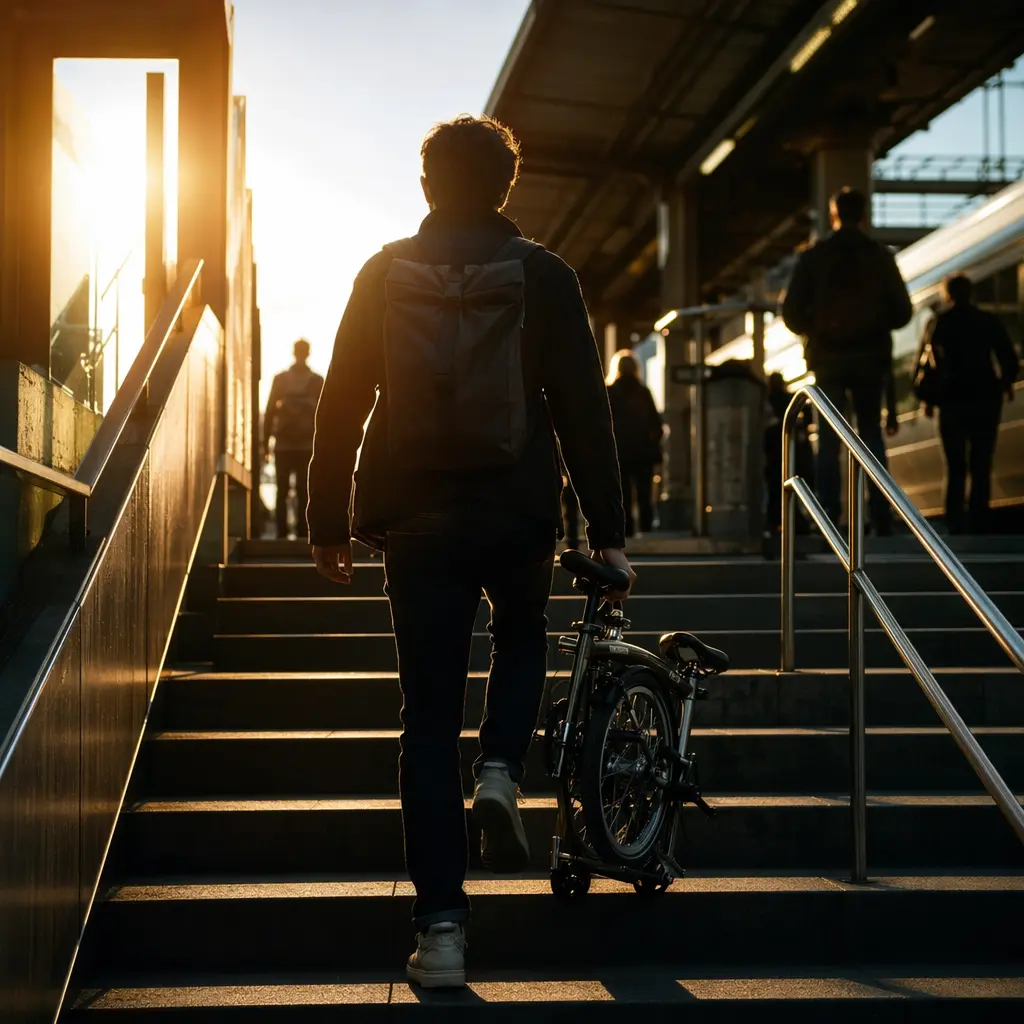
Folding bikes promise easy storage and painless carrying, but the experience varies hugely between a £200 entry‑level folder and a £450 mid‑range option. Both will get you rolling, yet day‑to‑day life — lifting the bike onto a train, tucking it under a desk, or folding it in a narrow hallway — exposes differences that spec sheets don’t show. This guide focuses on the real‑world factors that matter when space and portability are the priority.
What you actually get at this price
At around £200, folding bikes are built to hit a price point. Frames are usually steel, which keeps costs down but adds noticeable weight. Expect a basic single hinge with a chunky latch, simple 6‑speed gearing, and rim brakes. Finishing kit — saddle, grips and pedals — is functional rather than refined, and tolerances can feel a bit loose when folded.
Move closer to £450 and the focus shifts from simply folding to living with the bike. Frames are more often aluminium, shaving a couple of kilos. Hinges feel tighter and more confidence‑inspiring, sometimes with secondary safety locks. Gearing may still be modest, but shifting is cleaner, and brakes are more consistent in the wet. Small details, like better bearings and neater cable routing, make frequent folding less of a chore.
- Frame material: steel (£200) vs aluminium (£450)
- Typical weight: roughly 13–15kg vs 10–12kg
- Hinge design: basic single latch vs reinforced or dual‑stage
- Gearing: simple 6‑speed vs smoother, better‑sealed systems
- Extras: mudguards and rack more likely at £450
How to choose
The first question is how often you’ll carry the bike rather than ride it. A short lift into a car boot once a week is very different from daily stairs, platforms and corridors. If carrying is frequent, weight and balance matter more than outright ride quality. Mid‑range folders are usually easier to grab one‑handed without pedals or bars swinging loose.
Storage space is the other big factor. Cheaper folders often fold smaller on paper, but awkward shapes can make them harder to slide under desks or into cupboards. Better designs tend to ‘lock’ into a compact package that stands up on its own, which is invaluable in tight flats or busy offices.
What to look out for
- Loose or flexy hinges that creak when riding
- Pedals and handlebars that don’t stay put when folded
- Very heavy steel frames that feel tiring to carry
- Limited adjustability for taller or shorter riders
- No easy way to wheel the bike when folded
Worth spending more on
If the budget stretches, hinge quality is the single biggest upgrade. A solid, well‑engineered hinge improves both ride feel and confidence when carrying. Weight reduction also pays off quickly — even a kilo less makes stairs and platforms noticeably easier.
Beyond the bike itself, a comfortable saddle and better tyres can transform the experience. Many budget folders ship with very basic rubber that feels draggy. Swapping to lighter, puncture‑resistant tyres is a relatively cheap win that benefits both £200 and £450 bikes.
Frequently asked questions
Is a £200 folding bike good enough for commuting?
For short, occasional commutes, yes. They’re best suited to flat routes and riders who don’t need to carry the bike far. Daily multi‑modal commuting is where their weight and basic hinges become more noticeable.
Do £450 folding bikes ride better?
They usually feel more stable and refined, especially over rough tarmac. The bigger difference, though, is off the bike: smoother folding, less rattling, and easier carrying.
Can I upgrade a cheap folding bike later?
Tyres, saddle and pedals are easy upgrades. Weight and hinge design are not, so it’s worth buying the best frame and folding mechanism you can afford from the start.
Are folding bikes allowed on UK trains?
Most train operators allow folded bikes at any time, but compactness matters. A bike that stays neatly folded without straps is far less hassle during busy periods.
In short, £200 folding bikes work when riding is the main job and carrying is occasional; £450 buys a bike that fits more easily into everyday life. Choose based on how often you’ll fold, lift and store — not just how far you’ll ride.
Find these on Amazon
As an Amazon Associate, CheapBikes earns from qualifying purchases.