Whyte Portobello: the hybrid built with MTB thinking
Whyte’s Portobello hybrid brings mountain-bike geometry to everyday UK riding — stable, confident and practical for commuting, fitness miles and mixed surfaces.
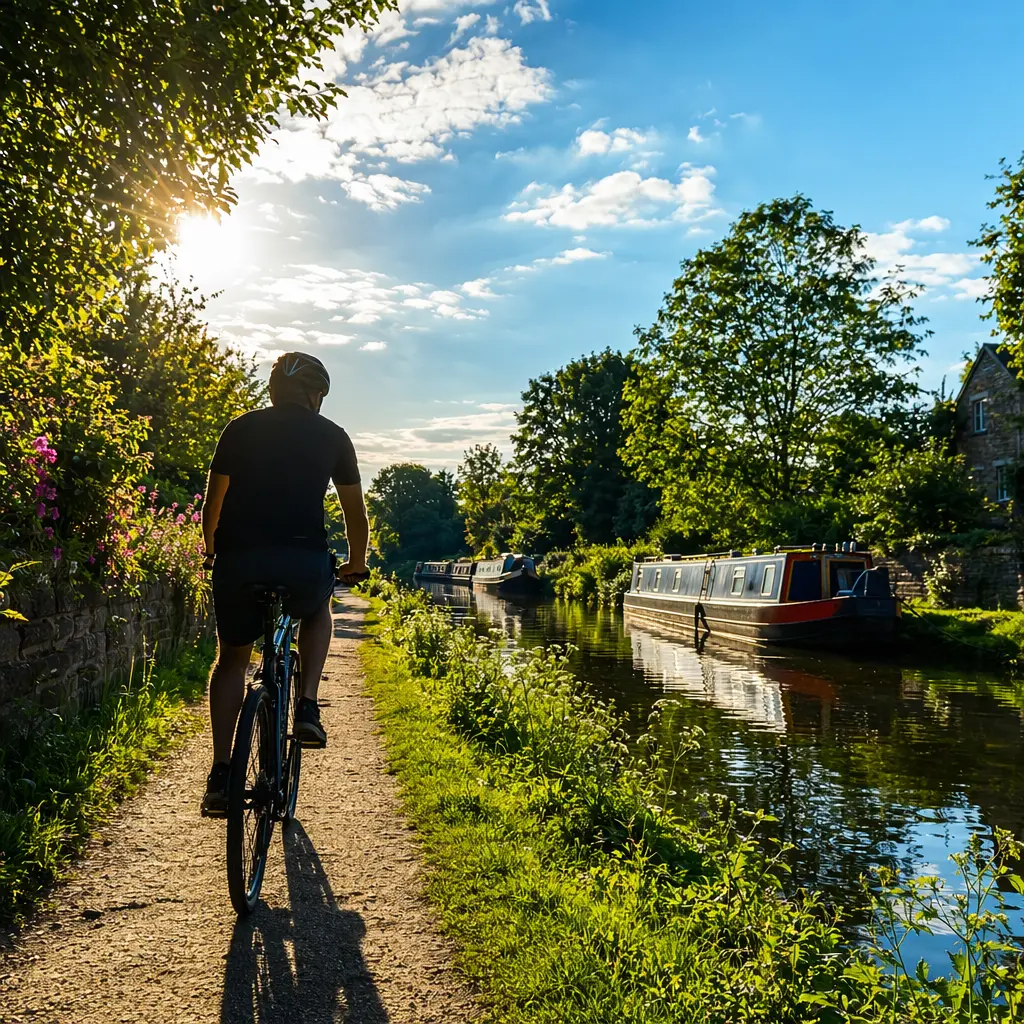
The Whyte Portobello sits in a particular corner of the UK hybrid market: a flat‑bar bike that borrows more from mountain bikes than from softened road bikes. It’s aimed at riders who want everyday speed and practicality without the twitchy feel some hybrids inherit from drop‑bar DNA. In towns and cities — and on the towpaths, park loops and back lanes between them — the Portobello has built a reputation for feeling planted, predictable and quietly capable.
Where it came from
Whyte is a British brand best known for mountain bikes, and that heritage matters here. Rather than designing a hybrid as a road bike with straight bars bolted on, Whyte approached the Portobello as an all‑rounder shaped by off‑road geometry principles: longer reach, stable steering angles and room for proper tyres. It’s a philosophy that’s filtered down from the brand’s trail bikes into something far more everyday.
In the UK, the Portobello has been sold through independent bike shops as a quality alternative to mass‑market hybrids. It’s never been about chasing the lowest price point; instead it sits in that middle ground where riders expect decent components, sensible finishing kit and a frame that won’t feel outdated after a year of use.
Why it works
The Portobello’s appeal comes from how it rides. The frame geometry gives a confident, upright‑ish position without turning the bike into a sit‑up cruiser. Steering is calm rather than nervous, which pays off on rough tarmac, shared paths and wet winter roads. Wide tyres are a core part of the package, adding comfort and grip rather than chasing outright speed.
Component choices tend to follow the same logic: practical rather than flashy. You’ll usually find reliable hydraulic disc brakes, sensible gearing that copes with kerbs and short climbs, and fittings for mudguards and racks. It’s a hybrid designed to be used daily, not pampered.
- Mountain‑bike‑influenced geometry for stability and control
- Generous tyre clearance for comfort on broken surfaces
- Hydraulic disc brakes as standard on most trims
- Mounts for mudguards, pannier racks and bottles
- Finishing kit chosen for durability over light weight
Who it’s for
The Portobello suits riders who want one bike to cover a lot of bases: weekday commuting, fitness rides after work, and longer weekend loops that mix tarmac with gravel paths or towpaths. It’s a good fit for UK conditions where surfaces vary and weather is rarely kind. Budget‑wise, it typically sits in the mid‑hundreds new, with older or used examples often representing strong value if well looked after.
Variants and what to look for today
Across its life, the Portobello range has usually been split into clear tiers rather than endless variations. Entry versions focus on the same frame with simpler gearing and finishing kit. Mid‑range builds tend to hit the sweet spot, adding smoother shifting and lighter wheels. Higher trims bring better drivetrains and lower overall weight, but the ride feel remains consistent throughout.
If you’re considering a second‑hand Portobello, the frame is rarely the concern — it’s robust and ages well. Instead, check consumables and upgrades. Worn drivetrain parts can add up quickly, and neglected hydraulic brakes may need a bleed. Many owners fit full‑length mudguards and racks, which is a bonus if done neatly.
Frequently asked questions
Is the Portobello fast enough for fitness riding?
Yes, in a real‑world sense. It won’t feel like a flat‑bar road bike on smooth tarmac, but its efficiency holds up well over longer rides, especially where surfaces aren’t perfect.
Can it handle light gravel or towpaths?
That’s one of its strengths. With stock tyres it’s comfortable on towpaths and park trails, and there’s room to go a little wider if you want more grip.
Is it suitable for commuting with luggage?
Yes. Rack and mudguard mounts are part of the design, making it easy to run panniers without upsetting handling.
How does it compare to cheaper hybrids?
The difference is mostly in ride feel and longevity. Cheaper hybrids can be lighter on the wallet, but the Portobello’s geometry and components tend to feel calmer and more durable over time.
The Whyte Portobello isn’t about chasing trends. Its strength is consistency: a hybrid that feels composed on UK roads year‑round, built with mountain‑bike common sense and everyday use in mind. For riders who value confidence and practicality over razor‑sharp speed, it remains a quietly persuasive option.
Find these on Amazon
As an Amazon Associate, CheapBikes earns from qualifying purchases.