Specialized Rockhopper: the MTB that taught Britain to ride trails
For decades the Specialized Rockhopper has been the UK’s gateway to real mountain biking: simple, tough hardtails that prioritise fit and fun over fuss, and still make sense today.
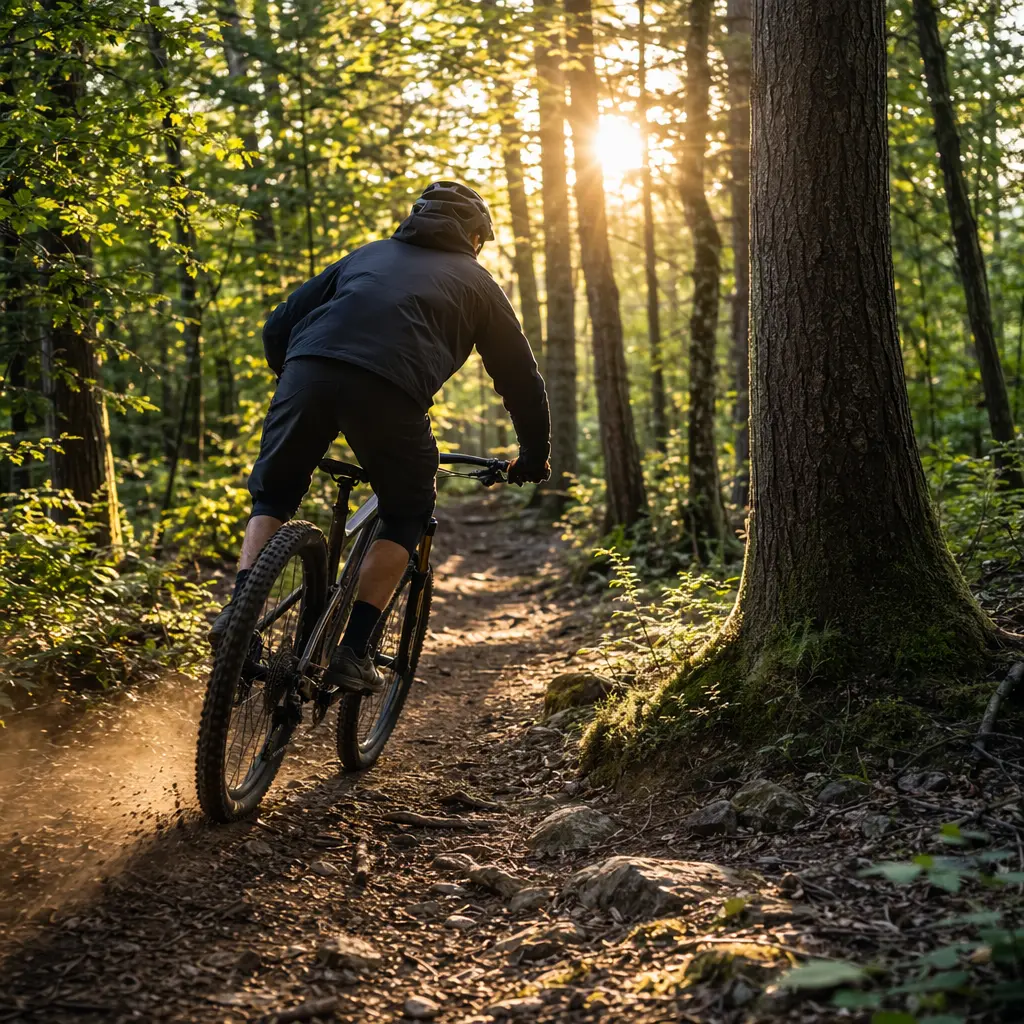
Few bike names are as familiar on British trails as the Specialized Rockhopper. For many riders it was the first ‘proper’ mountain bike: not a supermarket special, but a genuine hardtail built to be ridden off-road. Sitting at the affordable end of a big-name brand’s range, the Rockhopper has long bridged the gap between curiosity and commitment — a bike that lets newcomers discover what trail riding actually feels like without diving straight into premium prices.
Where it came from
The Rockhopper lineage stretches back to the early days of mountain biking, when brands like Specialized helped turn a fringe Californian hobby into a global sport. While the range has evolved many times since, its role has stayed remarkably consistent: an accessible hardtail aimed at riders who want real off-road capability without the complexity or cost of higher-end machines.
In the UK, the Rockhopper has typically been sold through independent bike shops rather than big-box retailers, which matters. Proper assembly, sizing advice and after-sales support have always been part of its appeal. Over the years, that combination of brand trust and shop backing helped the Rockhopper become a default recommendation for parents, beginners and returning riders alike.
Why it works
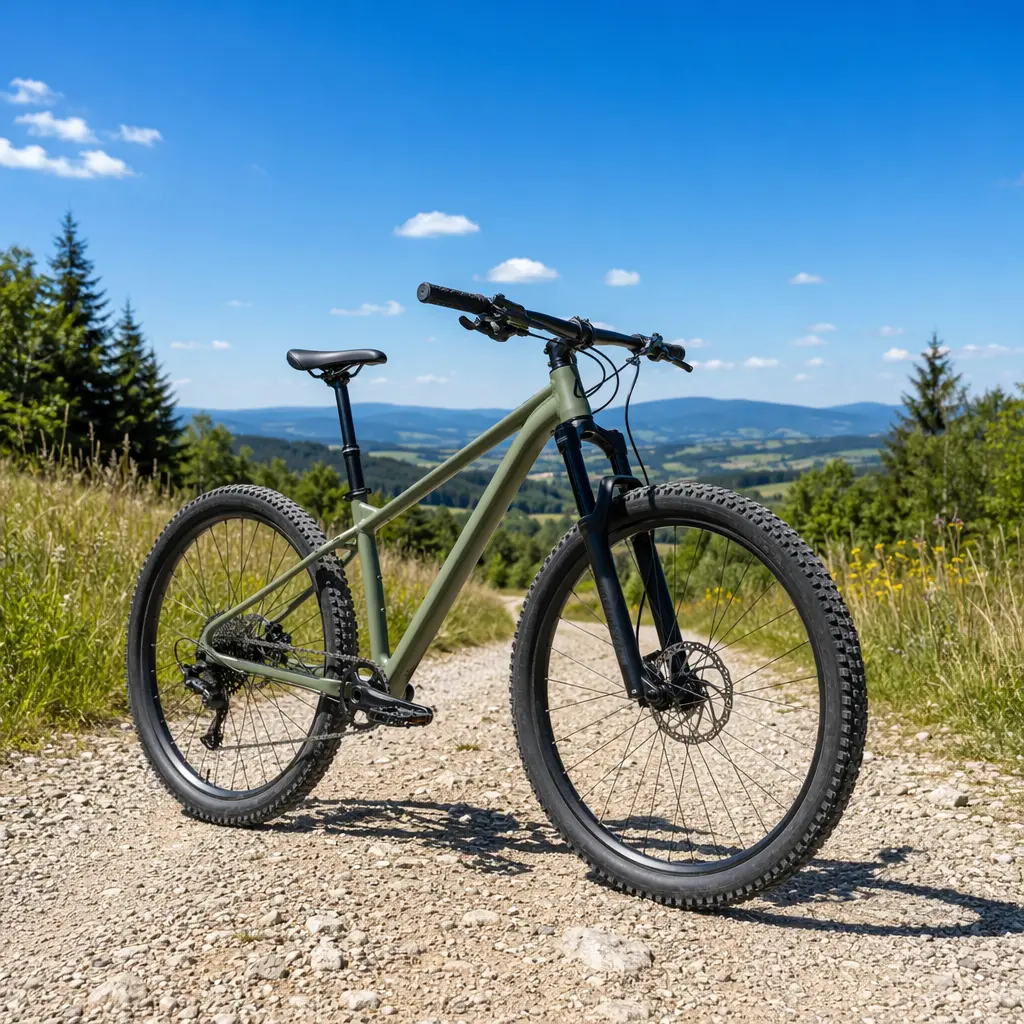
At heart, the Rockhopper is a straightforward aluminium hardtail, but the details are what make it effective. The geometry has traditionally been conservative rather than extreme: stable enough for rough bridleways and trail centres, but not so aggressive that it feels awkward on towpaths or short road links. That balance is key to its broad appeal.
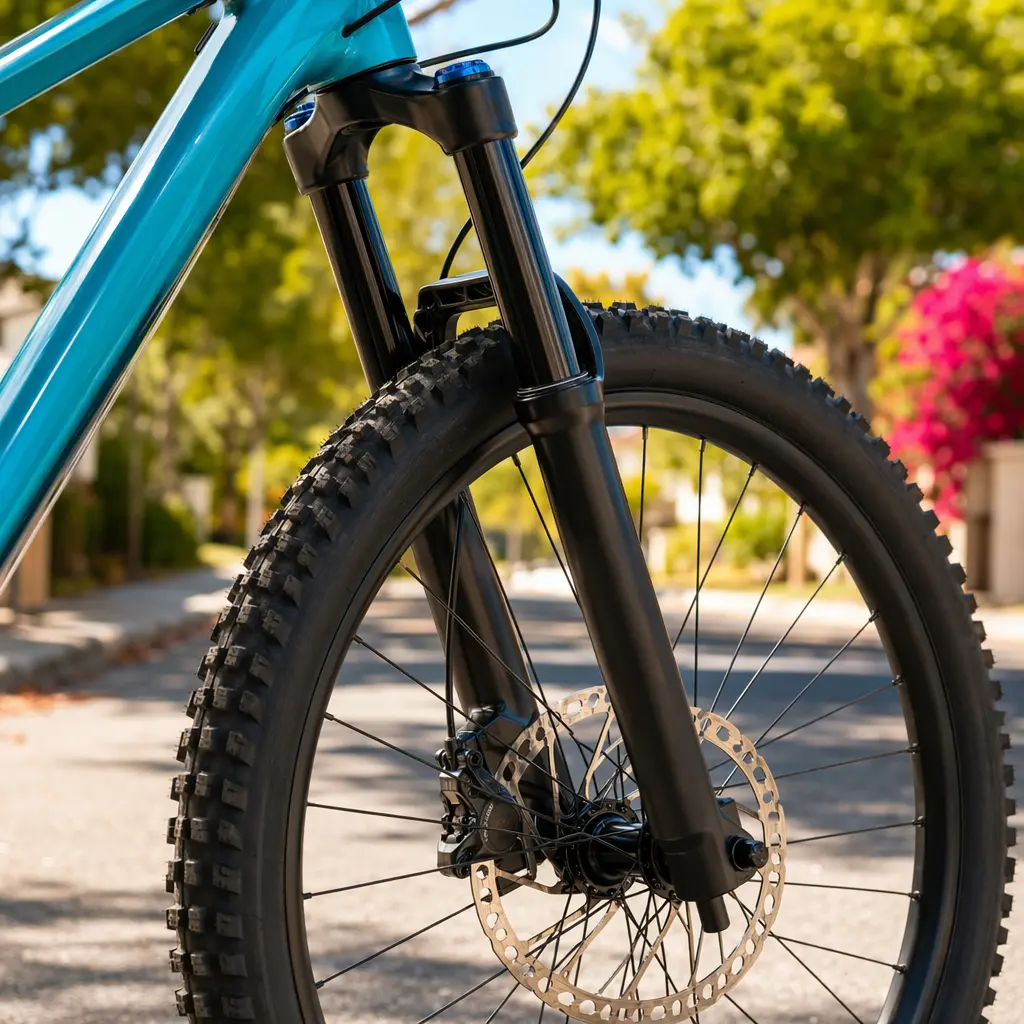
Component choices have usually favoured reliability over headline-grabbing specs. You’re more likely to find sensible gearing, dependable hydraulic or mechanical disc brakes, and entry-level suspension forks tuned for comfort rather than outright speed. It’s not flashy, but it’s forgiving — exactly what newer riders need.
- Aluminium frames designed to take everyday knocks without drama
- Stable, confidence-building geometry suited to mixed UK terrain
- Wide-range gearing for climbs, towpaths and trail centres
- Mounts and clearances that cope with mudguards or commuting duties
- A reputation for sizing that works for shorter and taller riders alike
Who it’s for
The Rockhopper suits riders who want one bike to do a lot of jobs. It’s ideal for beginners discovering red and blue routes, teenagers stepping up from kids’ bikes, or adults returning to cycling after a long gap. In the UK market it has typically sat in a sensible budget bracket — often around the mid-hundreds new — with plenty of older examples available second-hand for less. It’s not aimed at racers or bike-park regulars, but for everyday trail riding it remains a solid, confidence-building choice.
Variants and what to look for today
Across generations, the Rockhopper has usually been offered in a simple tiered structure: an entry trim with basic components, a mid-level version with lighter parts or improved brakes, and a higher-spec option that edges closer to enthusiast territory. The core frame tends to be shared, so the ride feel is similar across the range.
If you’re considering a used Rockhopper, condition matters more than badge. Check the drivetrain for wear, inspect the fork for smooth travel, and look closely at the wheels for dents — UK potholes and kerbs can take their toll. Many older bikes benefit from a basic service and fresh tyres, which can transform how they ride.
Frequently asked questions
Is the Rockhopper suitable for UK trail centres?
Yes, for blue routes and many red sections it’s well within its comfort zone. It’s not designed for big jumps or downhill tracks, but for typical Forestry England trail centres it’s a capable and enjoyable ride.
Can it double as a commuter?
Plenty of riders use Rockhoppers for mixed riding. With slicker tyres and mudguards it can handle daily commuting, though the upright position and suspension mean it won’t feel as brisk as a hybrid on tarmac.
How does it compare to cheaper hardtails?
The main difference is consistency. Frame quality, fit and braking are usually a step up from no-name alternatives, which is noticeable on rough ground and in wet conditions.
Is it worth upgrading parts later?
Selective upgrades like tyres or contact points can make sense, but heavy spending rarely does. The Rockhopper works best when appreciated as a balanced, affordable package.
The Specialized Rockhopper endures because it does something simple very well. It opens the door to trail riding without intimidation, hype or excessive cost. For UK riders who want to explore woods, bridleways and trail centres — and maybe rediscover the joy of getting muddy — it remains a quietly important bike.
Find these on Amazon
As an Amazon Associate, CheapBikes earns from qualifying purchases.