Specialized Epic: the XC race bike Britain learned to ride fast on
A landmark full‑suspension XC family that reshaped UK racing and trail riding. Light, efficient and built to cover ground quickly, the Specialized Epic remains a reference point.

In the UK, the Specialized Epic has long been shorthand for fast cross‑country riding. It’s a full‑suspension mountain bike family built with one priority: covering ground quickly without wasting effort. From club racers pinning numbers on at British XC rounds to trail riders who simply like their miles efficient, the Epic sits at the sharp end of the market — premium, purposeful and unapologetically performance‑led.
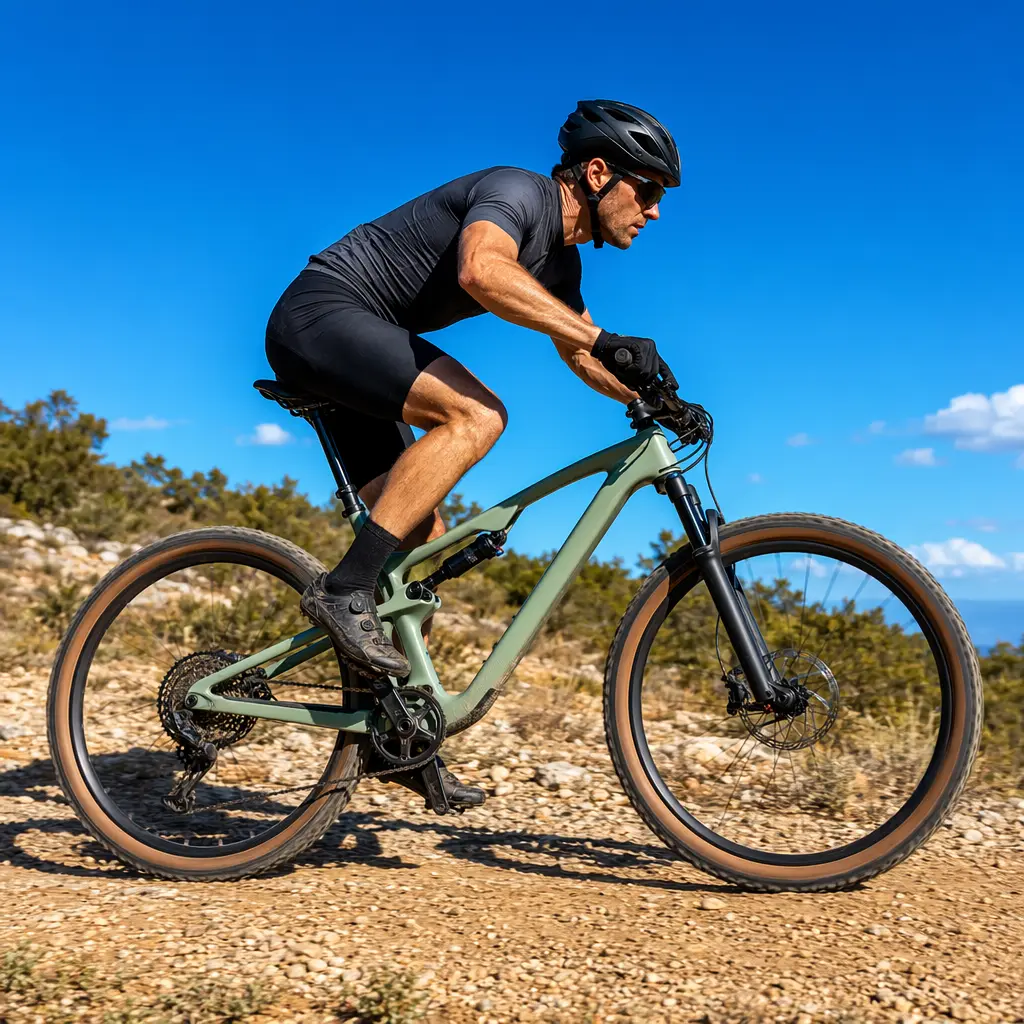
Where it came from
The Epic story begins in the early 2000s, launching in 2002 at a time when full suspension was still viewed with suspicion by many racers. Specialized’s aim was bold: deliver the comfort and control of rear suspension without the pedalling penalties. The solution was a distinctive approach to suspension control that prioritised efficiency, helping change attitudes among racers and serious riders in Britain.
In the UK, the Epic has always been sold through Specialist dealers, sitting above mass‑market trail bikes in price and intent. It became a regular sight at XC race venues and trail centres alike, reinforcing the idea that full suspension wasn’t just for downhill or endurance riding — it could be the fastest way around.
Why it works
The Epic family works because it blends race geometry with real‑world usability. Rather than chasing big travel numbers, it focuses on keeping the bike calm under power and composed when the trail gets rough. That means less bobbing, more forward momentum and reduced fatigue over longer rides — all crucial on UK courses that mix climbs, roots and rapid direction changes.
Across generations, typical Epics share a few common traits that define the ride:
- Lightweight frames designed around efficiency rather than outright toughness
- Short‑to‑mid travel rear suspension tuned to stay firm when pedalling
- Steep, race‑oriented geometry that rewards an active riding position
- Component choices biased towards low weight and precise shifting
- Clear focus on speed over technical playfulness
Who it’s for
The Epic is aimed at riders who value speed and efficiency above all else. That includes XC racers, marathon riders and fast trail riders who spend more time pedalling than sessioning jumps. It suits UK terrain that’s rolling rather than extreme, and riders happy with a stretched, purposeful fit. New prices typically sit firmly in the premium bracket (often well into four figures), but older examples are common on the second‑hand market.
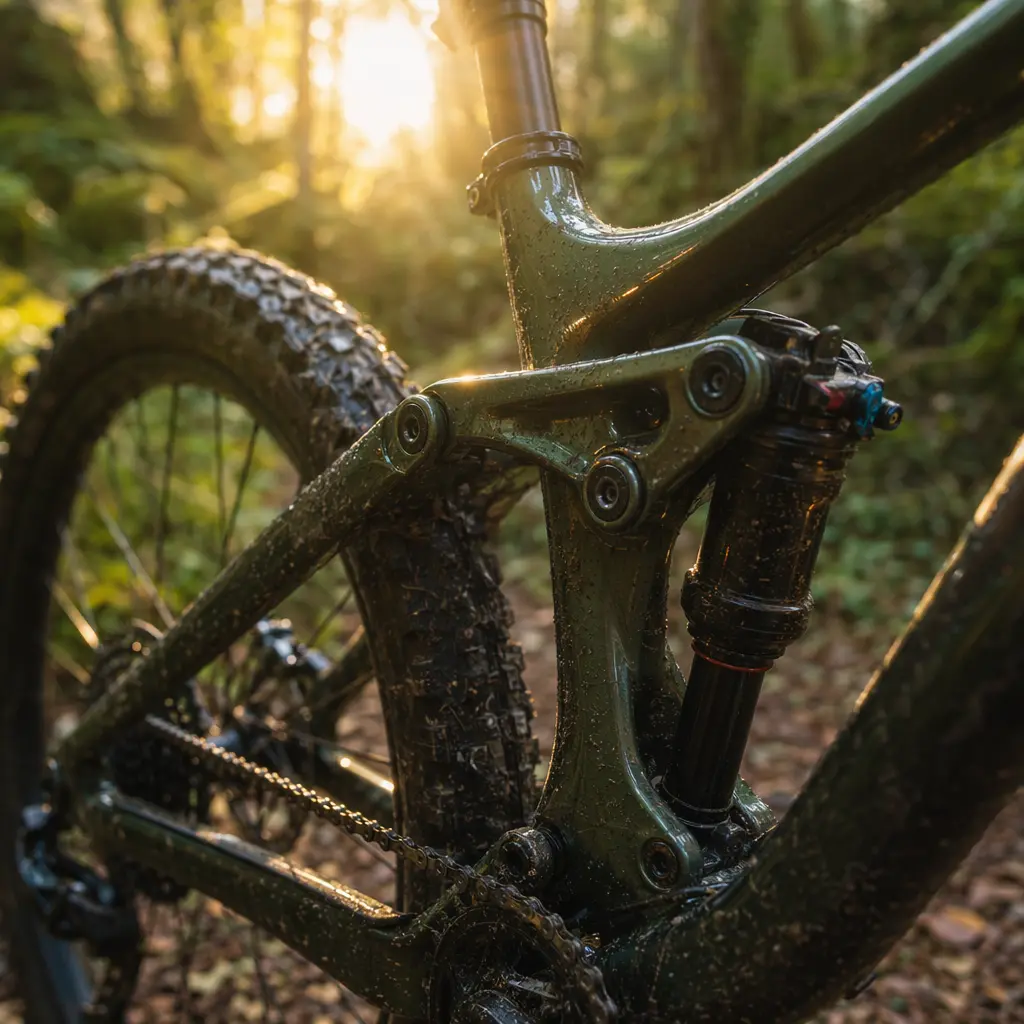
Variants and what to look for today
Within the Epic family, there have typically been clear tiers rather than wildly different models. Entry versions prioritise the same frame design with heavier components, while mid‑range builds balance weight and durability. Top‑end trims focus squarely on racing, trimming grams wherever possible.
If you’re considering a used Epic, pay attention to a few key points. Suspension servicing history matters — efficient designs rely on everything moving freely. Check for play in pivot bearings, smooth shock action and any signs of hard racing use. Wheel condition is also important, as lightweight rims can suffer if used beyond their intended terrain.
Frequently asked questions
Is the Epic suitable for UK trail centres?
Yes, on red and many blue routes it feels fast and controlled. It’s less at home on jump‑heavy or very rough trails, where longer‑travel bikes offer more margin for error.
How does it compare to a hardtail?
Compared with an XC hardtail, the Epic trades a little simplicity for comfort and traction. Over longer rides or rougher ground, most riders are quicker overall despite the slight weight increase.
Is it a good choice for beginners?
It’s not aimed at beginners. The geometry and pricing make more sense for riders who already know they enjoy fast XC riding.
Can it handle everyday riding?
It can, but it’s happiest when ridden with intent. Mudguards, racks and heavy accessories aren’t really part of the Epic’s brief.
More than two decades on from its debut, the Specialized Epic remains a benchmark for fast full‑suspension mountain bikes. It helped shift British attitudes towards suspension and efficiency, and it continues to reward riders who believe that riding fast isn’t about brute force — it’s about smart design and steady momentum.
Find these on Amazon
As an Amazon Associate, CheapBikes earns from qualifying purchases.