GT Slammer: the tough, entry‑level BMX that keeps turning up
A familiar sight at UK skateparks, the GT Slammer family blends old‑school BMX toughness with modern sizing. Here’s why it endures, who it suits, and what to check before buying.

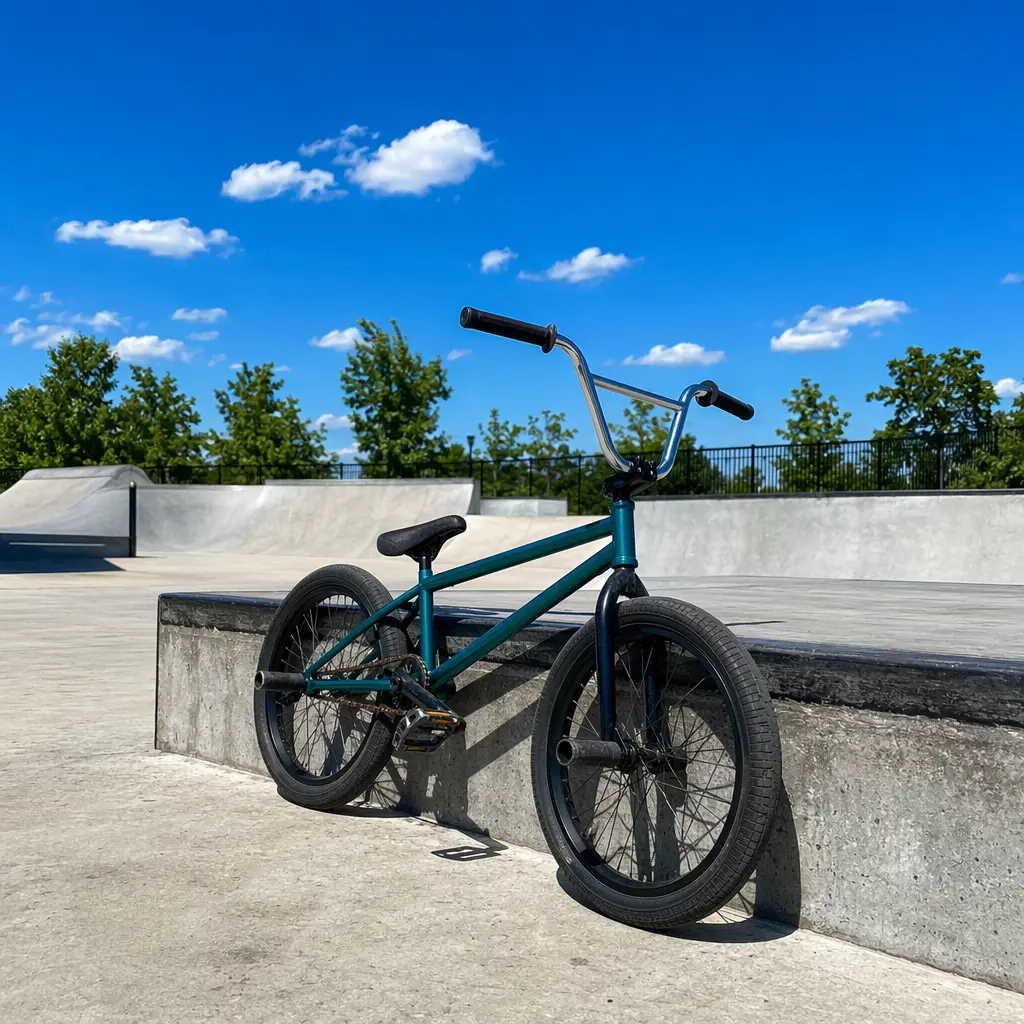
The GT Slammer is one of those BMX names that never seems to leave the UK scene. It isn’t flashy, and it isn’t pitched as a pro weapon. Instead, it sits squarely in the entry‑level freestyle space: affordable, tough, and sized for real riders who want to learn tricks without worrying about fragile parts. If you’ve spent time around skateparks or pump tracks, chances are you’ve seen a Slammer being thrown into a quarter pipe or clattered onto the concrete.
Where it came from
GT is one of BMX’s heritage names, with roots going back to the early days of the sport. The Slammer family emerged as a way to bring that pedigree to newcomers, appearing in various forms from the early 2000s onwards. In the UK, it’s been sold through mainstream bike retailers and online stores, often as a first ‘proper’ BMX after a child outgrows a toy‑grade bike.
While the wider BMX market has fragmented into high‑end street, park and dirt niches, the Slammer has stayed focused on accessibility. It’s designed to hit a sensible price point while carrying the GT name, which still means something to parents and younger riders alike. That balance is a big part of why the family has stuck around.
Why it works
At heart, the GT Slammer is about durability and simplicity. The geometry is conservative, with a compact rear end that makes manuals and hops manageable, and a front end that feels stable rather than twitchy. Frames are typically steel, prioritising strength and a bit of forgiveness over outright weight savings.
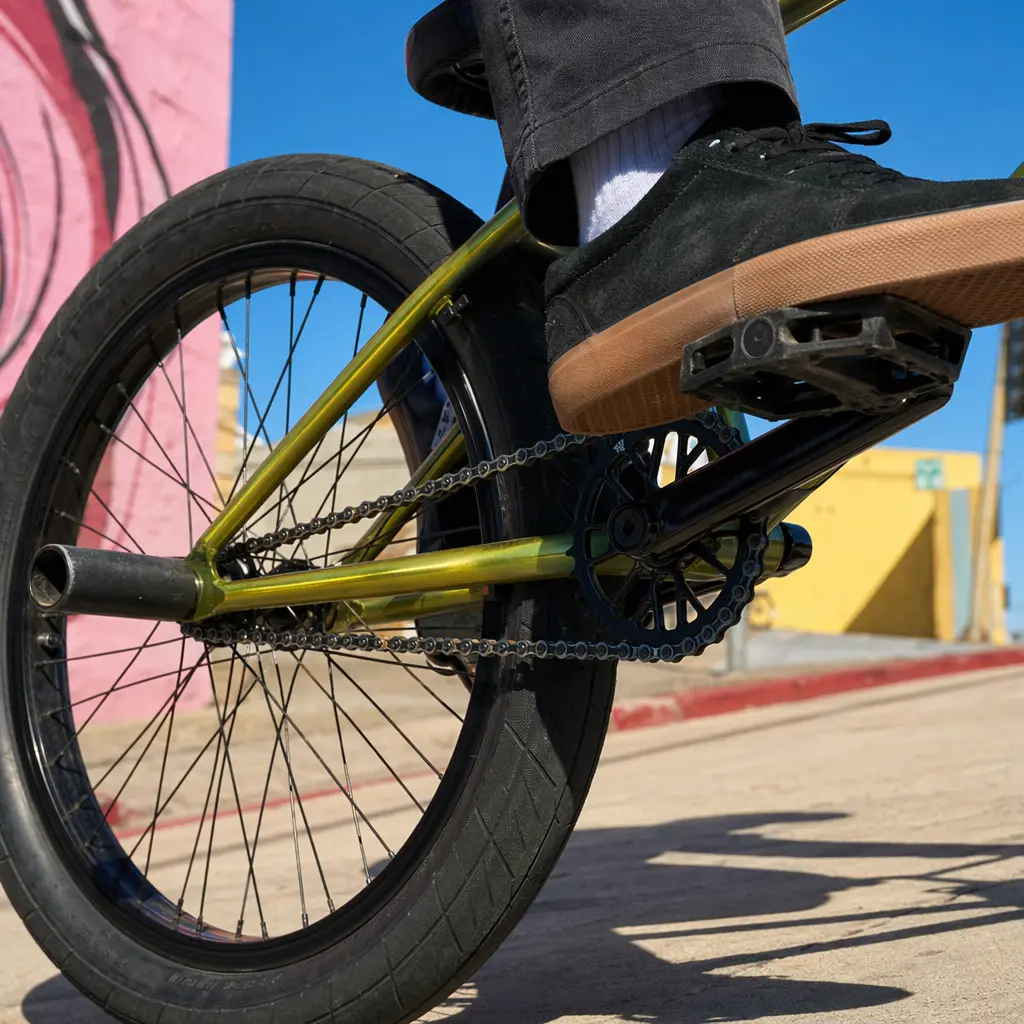
Component choices are deliberately basic but proven. You’ll usually see a single‑speed drivetrain, sturdy three‑piece cranks on better trims, and wide BMX tyres that can take repeated curb drops and missed landings. Braking is straightforward, often a single rear brake, which suits park riding and keeps maintenance simple.
- Steel frame and fork built to handle crashes and learning mistakes
- Compact BMX geometry that suits skateparks and pump tracks
- Simple single‑speed setup with minimal maintenance
- Wide tyres for grip on concrete and tarmac
- Sizing options that cater to younger and shorter riders as well as teens
Who it’s for
The Slammer is aimed at riders starting out in freestyle BMX, from kids moving up from smaller wheels to teenagers wanting a bike that can cope with daily skatepark sessions. It’s also a common choice for parents looking for something tougher than a supermarket bike without spending pro‑level money. Budget‑wise, the family usually sits in the lower end of the BMX market, typically around the £300–£400 mark when new, depending on trim.
Variants and what to look for today
Over the years, the Slammer family has been offered in a few different trims rather than radically different models. Entry versions focus on affordability, with heavier steel parts and simpler cranks. Mid‑level builds often add stronger three‑piece cranks and slightly lighter components, which make a noticeable difference as skills progress.
If you’re looking at a second‑hand Slammer, condition matters more than spec. Check the frame and fork carefully for cracks around the head tube, bottom bracket and dropouts. Wheels should spin true, and the bottom bracket should feel smooth with no grinding. Because these bikes are often ridden hard, expect cosmetic scrapes, but structural damage is a red flag.
Frequently asked questions
Is the GT Slammer suitable for complete beginners?
Yes. The Slammer is designed with beginners in mind, offering stable handling and tough parts that forgive early mistakes. It’s a common first BMX for learning basic tricks and skatepark etiquette.
Can it handle dirt jumps as well as skateparks?
Light dirt and pump tracks are fine, thanks to the strong frame and grippy tyres. However, it’s primarily a park‑focused bike rather than a dedicated dirt jump machine with suspension.
How heavy is it compared to higher‑end BMX bikes?
It’s heavier than high‑end chromoly or alloy builds, which is the trade‑off for durability and cost. For beginners, that extra weight is usually less important than strength.
Is it worth upgrading parts later?
Many riders start stock and upgrade contact points like tyres or bars as skills improve. Beyond that, it can make sense to ride it as‑is and move to a lighter frame when ready.
The GT Slammer’s appeal is simple: it lowers the barrier to entry for BMX without feeling disposable. It’s not built to win contests, but it’s built to survive learning, which is exactly why it keeps showing up in UK skateparks year after year.
Find these on Amazon
As an Amazon Associate, CheapBikes earns from qualifying purchases.