B’Twin Tilt: Decathlon’s folding bike that opened up mixed-mode commuting
Decathlon’s B’Twin Tilt range put affordable folding bikes on UK platforms and pavements, making trains, buses and small flats workable for everyday cycling.

The B’Twin Tilt is one of those bike families that quietly changed everyday cycling in the UK. Sold through Decathlon and priced firmly in reach of ordinary commuters, it helped normalise the idea that a folding bike wasn’t just a specialist gadget but a practical solution for trains, buses, small flats and office corners. The Tilt sits at the budget-friendly end of the folding-bike market, offering a simple way to combine cycling with public transport without paying premium-brand money.
Where it came from
The Tilt range emerged as part of Decathlon’s wider push to democratise cycling. Under the B’Twin name, the French retailer aimed to cover everyday transport needs at prices that undercut much of the competition. Folding bikes were an obvious gap: UK cities were getting busier, rail commuting was rising, and storage space in homes and offices was shrinking.
Rather than chasing ultra-compact folds or premium finishes, the Tilt was positioned as a straightforward, accessible folder sold exclusively through Decathlon’s UK stores and website. That direct-to-consumer approach helped keep costs down and made test rides and aftersales support easy for first-time folding-bike buyers.
Why it works
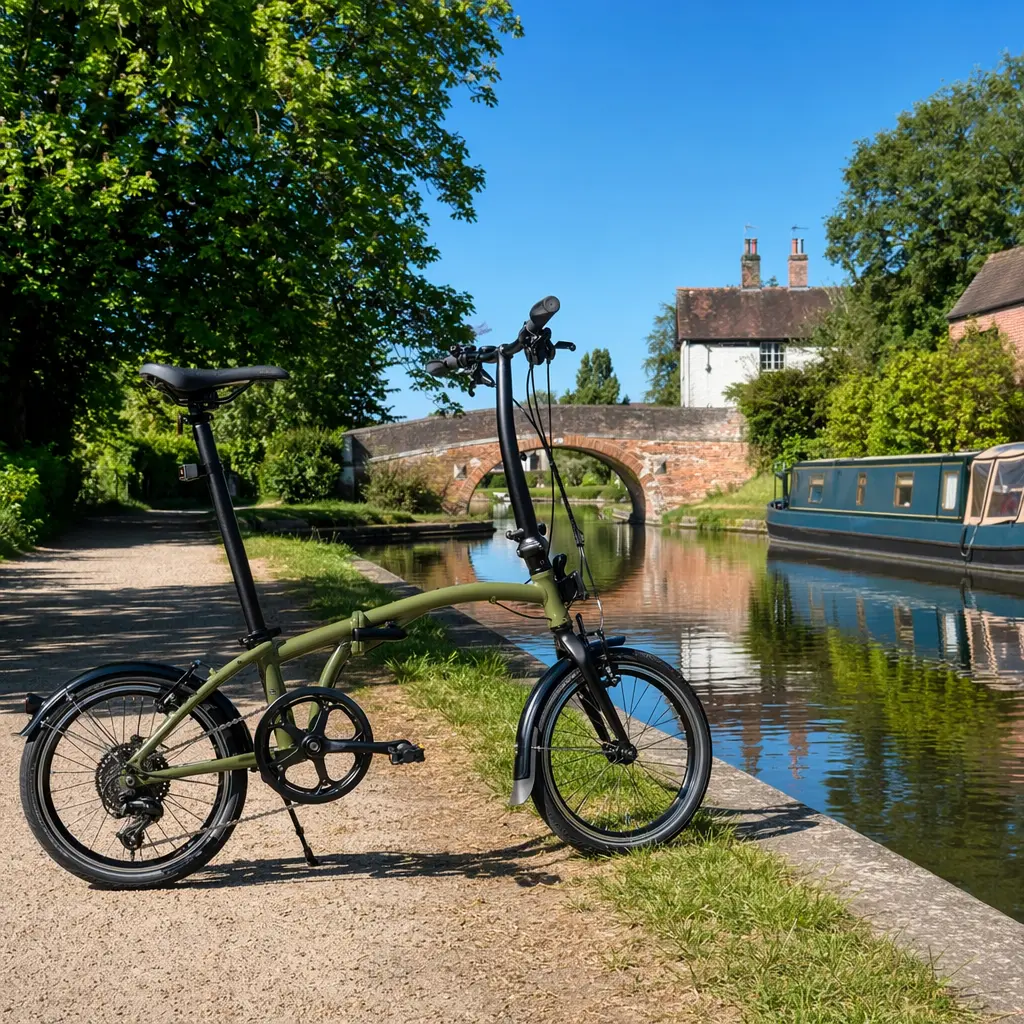
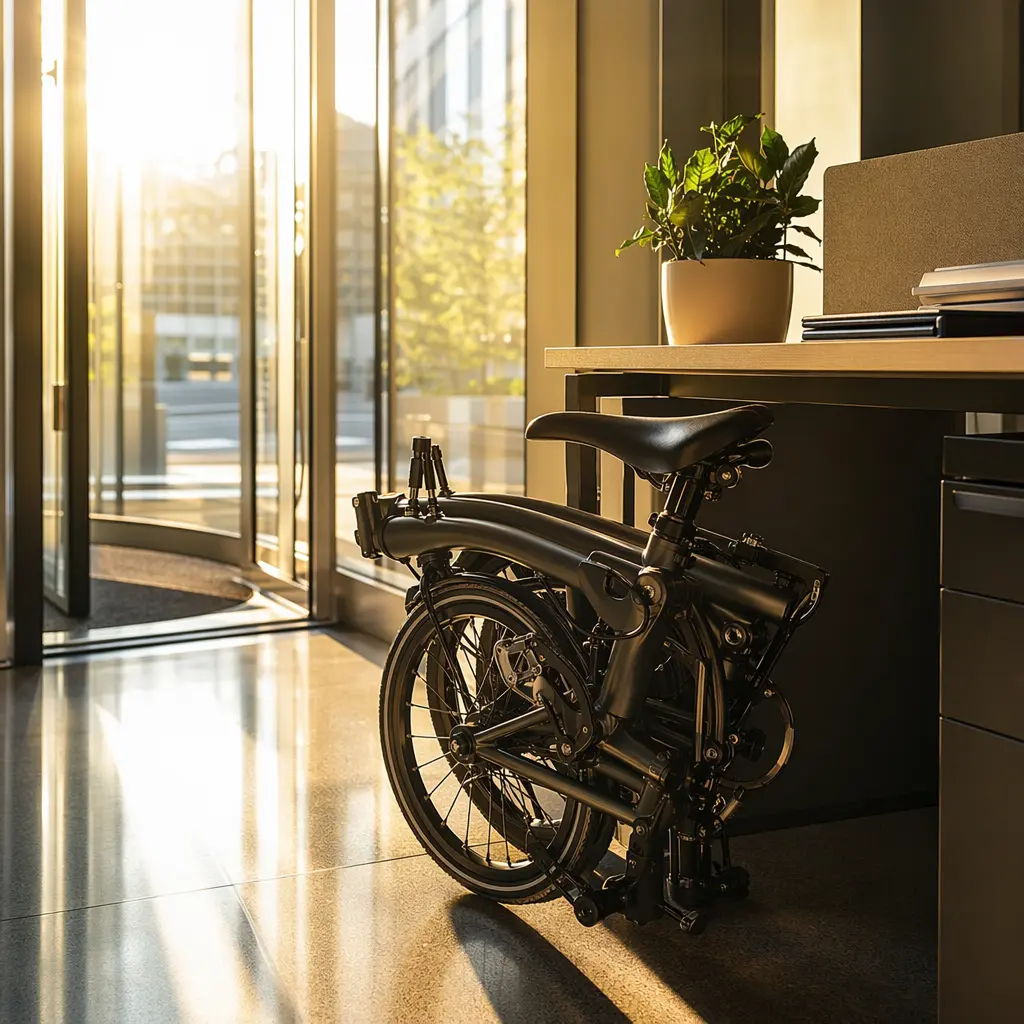
At heart, the B’Twin Tilt works because it keeps things simple. The frame geometry is upright and unintimidating, with small wheels that prioritise easy storage over outright speed. The fold is designed to be learned in minutes rather than mastered over weeks, and once folded the bike is compact enough for train aisles, car boots and hallway corners.
Component choices are deliberately conservative. You’ll typically find a basic but durable drivetrain, rim or entry-level disc brakes depending on version, and practical finishing kit that can cope with daily use. The emphasis is on reliability and low maintenance rather than shaving grams.
- Simple, repeatable folding mechanism that doesn’t rely on exotic parts
- Upright riding position suited to stop-start urban riding
- Small wheels that accelerate quickly and store easily
- Decathlon-sourced components designed for availability and value
- Mounts or compatibility for mudguards and luggage on many versions
Who it’s for
The Tilt is aimed squarely at mixed‑mode commuters: riders who cycle to a station, hop on a train, then ride the last mile at the other end. It also suits flat-dwellers with limited storage, students, and anyone wanting a bike that can live under a desk. In budget terms, new examples have typically sat in the lower end of the folding-bike spectrum (often around £300–£500 depending on spec), with used prices making them even more accessible.
Variants and what to look for today
Over its life, the Tilt family has included entry, mid and higher trims rather than radically different models. Entry versions focus on the basics with fewer gears and simpler brakes. Mid-level options add a wider gear range or upgraded braking, while higher trims tend to focus on smoother shifting and slightly lighter finishing kit.
If buying second-hand, pay close attention to the folding hinges and locking mechanisms — these are the heart of the bike. Check for play, cracks or stiff operation. Wheels and tyres take more punishment on small-wheel bikes, so inspect rims, spokes and tyre wear carefully. Replacement parts are generally straightforward thanks to Decathlon’s parts availability, which is a real plus compared with obscure folding brands.
Frequently asked questions
Is the B’Twin Tilt suitable for longer rides?
It’s happiest on shorter urban journeys. While longer rides are possible, the upright position and small wheels are designed for convenience rather than all-day mileage.
How compact is the fold compared with premium folders?
The fold is compact enough for trains and car boots, but not as tiny as premium, high-cost folding bikes. The trade-off is a lower price and simpler mechanism.
Can it take mudguards and luggage?
Many Tilt versions are designed to accept mudguards and light luggage, making them practical year-round commuters rather than fair‑weather toys.
Is Decathlon support a real advantage?
Yes. Easy access to stores, servicing and spare parts in the UK is a genuine benefit, especially for riders new to folding bikes.
The B’Twin Tilt endures because it solves a real problem without overcomplicating things. It won’t replace a full-size bike for speed or distance, but as a tool for everyday, mixed‑mode travel it remains a sensible, value-conscious choice that helped bring folding bikes into the UK mainstream.
Find these on Amazon
As an Amazon Associate, CheapBikes earns from qualifying purchases.